
Ultimate Guide to Podcast Equipment Kit Essentials 2026

Podcasting is booming in 2026, with new creators joining the scene every day. As audiences become more discerning, achieving professional audio quality is essential for standing out.
This guide will walk you through building the perfect podcast equipment kit, tailored to your ambitions, goals, and budget. You will discover the latest microphones, headphones, interfaces, mixers, and must-have accessories, plus future-proofing strategies to keep your show ahead.
The right gear is what separates a hobby from a standout show. See how top creators assemble kits that boost quality, streamline workflow, and drive audience engagement. Use this guide to confidently build your podcast equipment kit for success.
Understanding Podcast Equipment Kits: What’s Essential in 2026?
Podcasting in 2026 is a global phenomenon, with millions of creators seeking ways to stand out. The right podcast equipment kit is no longer a luxury, but a necessity for delivering professional sound and building a loyal audience. Whether you are new to the scene or leveling up, understanding what goes into a modern kit is the first step to success.
The Evolving Landscape of Podcasting Gear
The podcasting industry has experienced rapid growth, with more creators and brands entering the space each year. In 2026, the landscape is shaped by remote and hybrid recording setups, allowing hosts and guests to connect from anywhere. This shift has made the podcast equipment kit more versatile and essential than ever.
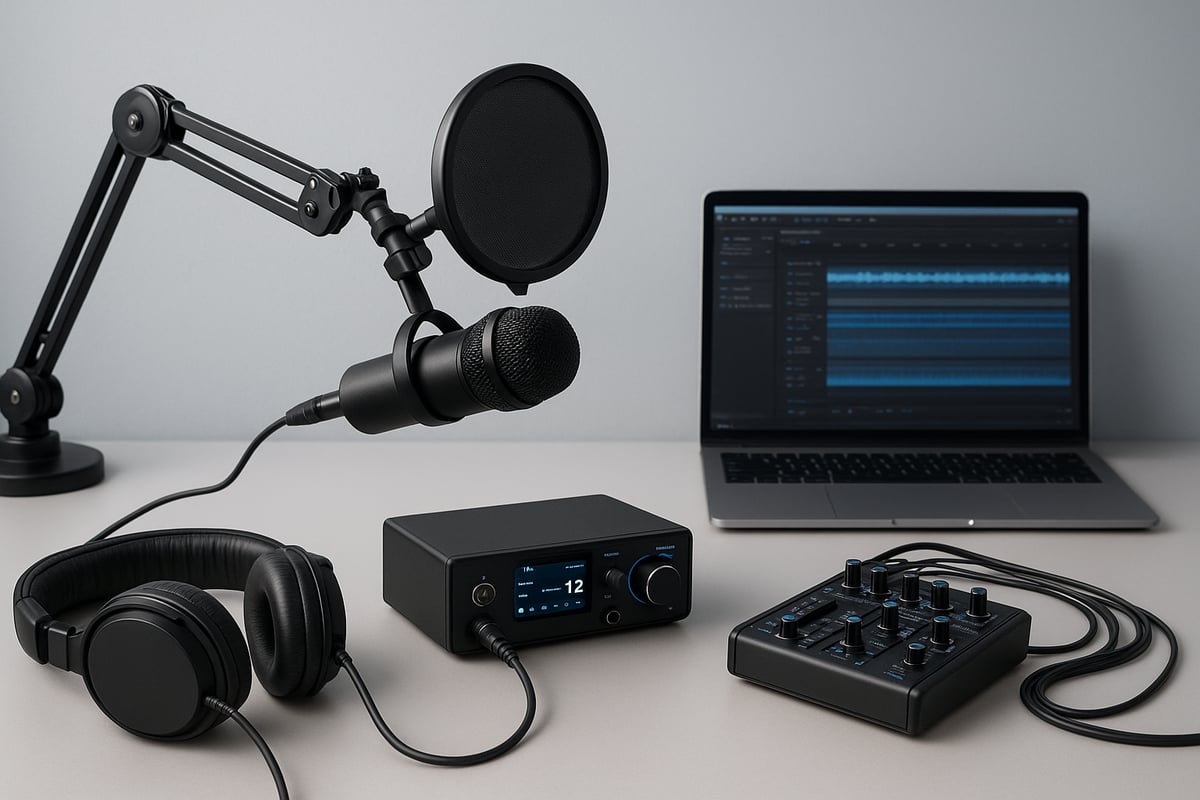
At its core, a podcast equipment kit includes microphones, headphones, an audio interface, a mixer, and various accessories. These components form the backbone of any quality podcast setup. Whether you are starting solo or managing a multi-host panel, bundles and kits remain popular because they streamline the buying process and ensure compatibility.
Industry leaders like RØDE offer Solo, Dual, and Ultimate Podcast Kits, while retailers such as B&H curate bundles for every experience level. Kits generally fall into three categories:
| Kit Level | Typical Components | Best For |
|---|---|---|
| Basic | USB mic, headphones, pop filter | Beginners, solo shows |
| Intermediate | XLR mic, interface, headphones, stand | Co-hosts, interviews |
| Advanced | Multi-mic, mixer, pro accessories | Panels, live/remote pods |
Choosing the right podcast equipment kit means matching its complexity to your podcast format. For example, a solo creator may need a simple USB mic kit, while a panel show benefits from a multi-mic, mixer-based bundle. According to the Podcasting Market Report 2025, the global podcast market is projected to reach over $200 billion by 2033, with surging demand for professional-grade gear.
How to Choose the Right Kit for Your Needs
Selecting your podcast equipment kit starts with a clear assessment of your goals. Consider your content type, the number of hosts, your recording location, and your budget. Are you recording solo in a home office, or managing a hybrid team with remote guests?
Balancing cost, quality, and scalability is essential. Entry-level kits are affordable and easy to use, making them ideal for new podcasters. However, investing in a kit that allows for future upgrades can save you money and hassle as your show grows. For example, a starter kit with a USB microphone is great for beginners, while a pro setup with XLR microphones and a dedicated mixer is better for advanced creators.
Scalability is key in 2026. Opt for a podcast equipment kit that can grow with your ambitions. Look for modular components and interfaces that support expansion. This approach ensures you are not limited as your content evolves.
In summary, investing in the right podcast equipment kit is about aligning your tools with your podcast’s format and future plans. By making smart choices now, you set yourself up for long-term success and fewer technical headaches as your show matures.
About Podcast Monkey
Podcast Monkey is a video-first podcast production agency that handles strategy, recording support, editing, YouTube optimization, and repurposed clips for B2B brands. We specialize in turning raw podcast recordings into polished episodes and social content ready for YouTube, podcast platforms, and social media.
To get help with your show, book a free personalized podcast strategy consultation here: https://calendly.com/d/crd7-h33-vmq/personalized-podcast-strategy-consultation
Microphones: The Heart of Your Podcast Equipment Kit
Microphones are the foundation of any podcast equipment kit. They directly shape how your voice connects with listeners and influence the professional quality of your show. Choosing the right microphone is not just about sound, it is about matching your equipment to your goals and podcasting environment.
Whether you are a beginner or an established host, understanding microphone types, selection criteria, and essential accessories will help you build a podcast equipment kit that delivers consistent, broadcast-quality audio.
Types of Podcast Microphones Explained
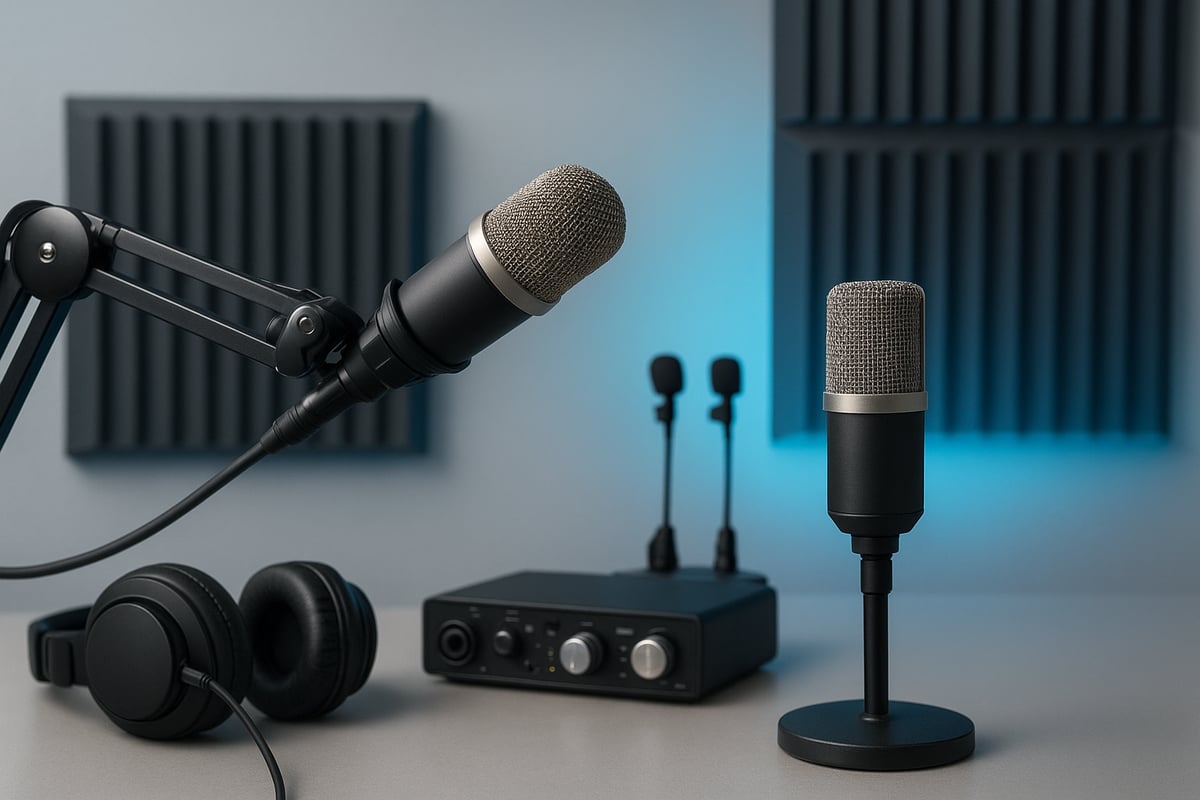
The heart of every podcast equipment kit is the microphone. In 2026, podcasters have more choices than ever, each with unique advantages. Dynamic microphones, such as the RØDE PodMic USB or 512 AUDIO Limelight, are favored for their durability and ability to reject background noise. They excel in untreated rooms and busy environments.
Condenser microphones, like the NT-USB Mini, offer higher sensitivity and capture more detail. These are ideal for studio settings where sound isolation is controlled. Lavalier microphones are compact and clip onto clothing, making them perfect for on-the-go interviews. Shotgun microphones provide directional focus, suitable for panel discussions or outdoor setups.
USB microphones dominate entry-level podcast equipment kit options, accounting for over 60% of starter kits according to B&H. They offer plug and play convenience for solo creators or remote hosts. XLR microphones, on the other hand, are the standard for professional studios, providing superior audio quality and flexibility for upgrading gear.
Wireless systems, such as the RØDE Wireless GO Gen 3, empower mobile and multi-host podcasts with freedom of movement and minimal cable clutter.
For a comprehensive breakdown of essential gear, including microphones, visit the Essential equipment to start a podcast guide.
Choosing the Right Microphone for Your Podcast
Selecting a microphone for your podcast equipment kit means considering your voice, recording location, and show format. Voice tone matters, as some microphones enhance deep voices while others add clarity to higher registers. Your recording environment plays a role too. Dynamic microphones are best for untreated rooms, while condensers shine in acoustically treated studios.
The number of hosts or guests will influence your choice. Solo podcasters may opt for a single USB or XLR microphone, while roundtable shows benefit from multiple XLR mics connected to a mixer. Polar patterns are crucial: cardioid mics pick up sound from the front and reject side noise, making them a top choice for most podcast equipment kit setups. Omnidirectional mics capture sound from all directions, useful for group discussions, while bidirectional models are great for face-to-face interviews.
Content style also matters. Interview podcasts may prefer dynamic or condenser mics based on location, while narrative or remote shows benefit from flexibility. Professionals often choose XLR microphones for their superior sound and upgrade potential as the podcast grows.
Must-Have Accessories for Microphones
Accessories can elevate your podcast equipment kit from basic to professional. Pop filters and windscreens are essential for reducing plosive sounds, keeping your audio clear. Shock mounts, like the SM6, isolate microphones from vibrations and desk noise, preserving sound quality.
Boom arms, such as the RØDE PSA1+, offer flexible positioning and free up desk space. A sturdy stand like the DS2 Desktop Arm ensures stability during recording sessions. Quality XLR or USB cables are vital for reliable connections, while cable management accessories keep your setup organized.
Do not overlook adapters if you plan to mix USB and XLR microphones in your podcast equipment kit. Investing in premium cables and mounts minimizes technical issues and editing time. A well-equipped kit includes all these accessories, ensuring every recording is smooth and professional.
About Podcast Monkey Podcast Monkey is a video-first podcast production agency that handles strategy, recording support, editing, YouTube optimization, and repurposed clips for B2B brands. We specialize in turning raw podcast recordings into polished episodes and social content ready for YouTube, podcast platforms, and social media.
To get help with your show, book a free personalized podcast strategy consultation here: https://calendly.com/d/crd7-h33-vmq/personalized-podcast-strategy-consultation
Audio Interfaces, Mixers, and Recorders: Powering Your Sound
When it comes to shaping your podcast’s audio quality, the right podcast equipment kit is critical. Audio interfaces, mixers, and recorders form the backbone of your setup, translating your voice into clear, professional sound. These tools empower creators to meet the demands of modern podcasting, whether recording in a studio or capturing interviews on the move.
Audio Interfaces: Bridging Microphones and Computers
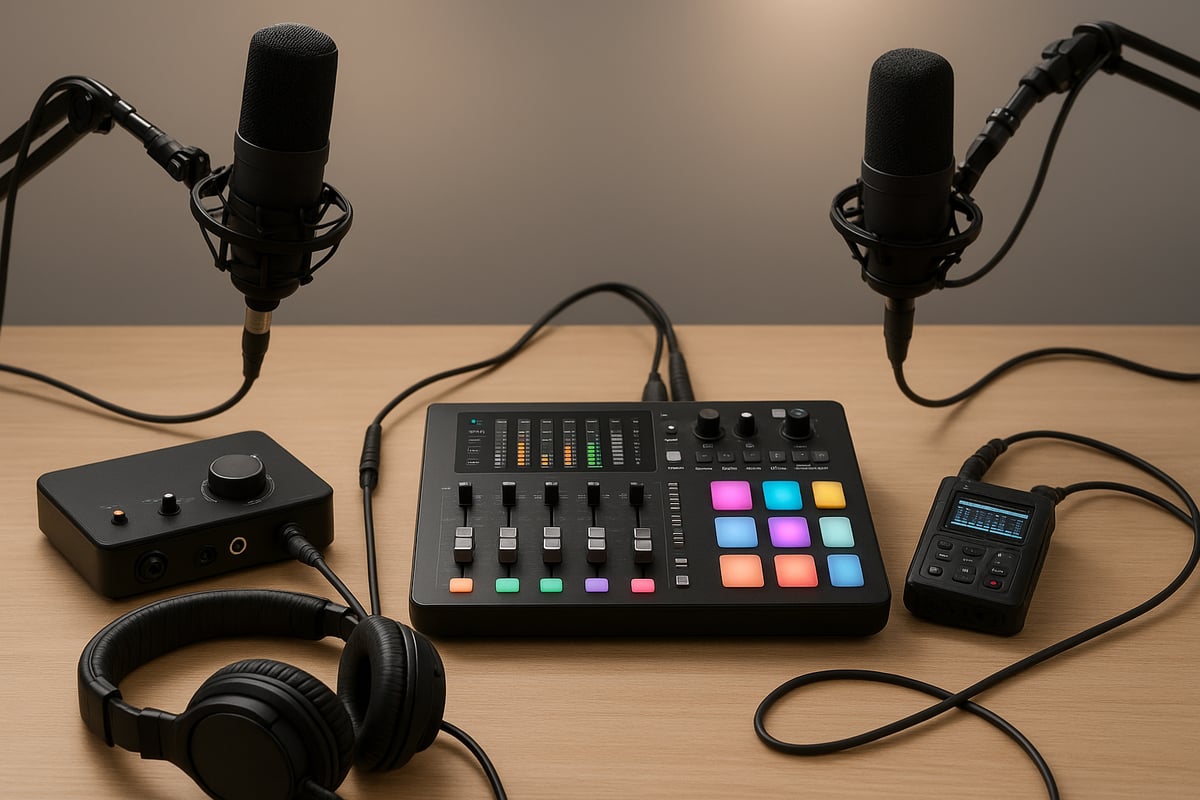
Audio interfaces are essential in any podcast equipment kit, acting as the bridge between your microphones and your computer. These devices convert analog signals into digital audio, ensuring your recordings are crisp and free from unwanted noise. For 2026, interfaces come in various forms, including USB, Thunderbolt, and dedicated podcast models.
USB interfaces, such as the RØDE AI-1 or Focusrite Scarlett series, are popular for their plug-and-play simplicity. Thunderbolt interfaces offer ultra-low latency, making them ideal for high-end setups. Podcast-focused interfaces like the RØDE AI-Micro or Streamer X include features tailored for creators, such as direct monitoring and multiple input options.
Key features to consider in your podcast equipment kit include:
- High-quality preamps for clear sound
- Phantom power for condenser microphones
- Flexible input and output options
- Onboard gain controls
According to industry data, 80% of professional podcasts use external interfaces to achieve superior audio, underscoring their value in a podcast equipment kit. For tips on maximizing your sound quality with the right interface, check out these Podcast sound quality tips.
Mixers and Podcast-Specific Consoles
Mixers are vital for podcasters who want greater control over multiple microphones, live sound adjustments, and real-time effects. Unlike traditional audio mixers, podcast-specific consoles are designed with creators in mind, offering features that streamline workflow within a podcast equipment kit.
Popular models include the RØDECaster Pro II, RØDECaster Duo, and Tascam podcast mixers. These devices often feature:
- Sound pads for instant music or effects
- Onboard multitrack recording
- Integration for remote guest calls
- Intuitive touchscreens and presets
Mixers enable seamless transitions between hosts and guests, making them indispensable for multi-person or live podcasts. The right mixer in your podcast equipment kit lets you focus on content while maintaining professional sound, supporting both in-studio and remote productions.
Here’s a quick comparison:
| Feature | Podcast Consoles | Traditional Mixers |
|---|---|---|
| Sound Pads | Yes | Rare |
| Onboard Recording | Yes | Sometimes |
| Call Integration | Built-in | Requires Add-ons |
| Ease of Use | High | Moderate |
Selecting a mixer that matches your podcast equipment kit needs ensures flexibility as your show evolves.
Portable Digital Recorders for On-the-Go Podcasting
For creators who record outside the studio, portable digital recorders are an invaluable part of any podcast equipment kit. Devices like the Zoom H6 or Tascam portable recorders capture high-quality audio anywhere, offering built-in microphones and multiple inputs for versatility.
Key benefits of including a portable recorder in your podcast equipment kit:
- Multi-track recording for interviews or panels
- Long battery life for extended sessions
- SD card storage for easy file transfer
- Backup recording capability for peace of mind
Field recording, live events, and remote interviews become effortless with the right portable recorder. Their flexibility ensures your podcast equipment kit is ready for any scenario, elevating your show’s reliability and professionalism.
About Podcast Monkey Podcast Monkey is a video-first podcast production agency that handles strategy, recording support, editing, YouTube optimization, and repurposed clips for B2B brands. We specialize in turning raw podcast recordings into polished episodes and social content ready for YouTube, podcast platforms, and social media.
To get help with your show, book a free personalized podcast strategy consultation here: https://calendly.com/d/crd7-h33-vmq/personalized-podcast-strategy-consultation
Headphones and Monitoring: Hear Every Detail
Selecting the right headphones is a critical step when assembling your podcast equipment kit. Professional monitoring lets you catch every nuance, prevent audio mishaps, and deliver the polished sound listeners expect in 2026.
Why Monitoring Matters in Podcasting
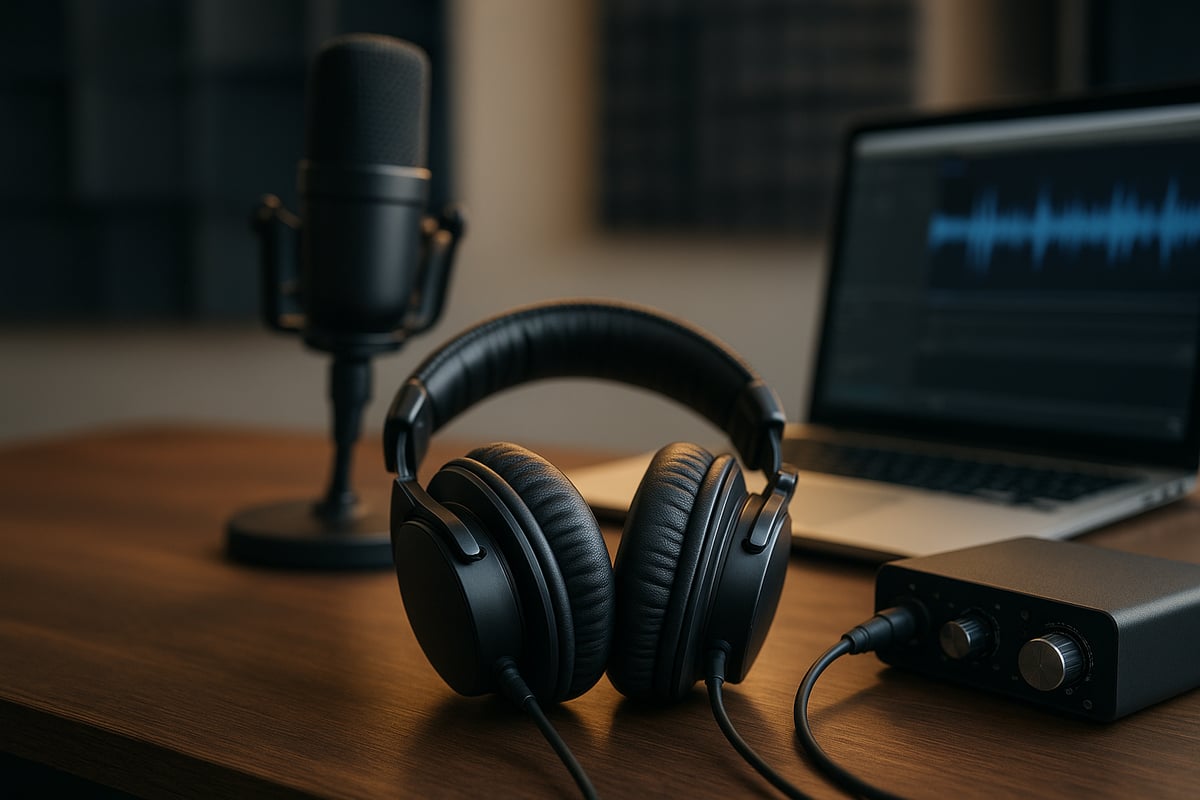
Real-time audio monitoring is the backbone of a reliable podcast equipment kit. It allows hosts and guests to hear exactly what is being recorded, catching issues like background noise, distortion, or mic pops before they impact the final product.
Closed-back headphones are preferred by most podcasters because they provide isolation from external sounds, helping you focus exclusively on your audio. In contrast, open-back headphones offer a more natural sound but can leak noise into microphones, making them less ideal for recording environments.
Industry data consistently shows that closed-back models, such as the Sony MDR-7506, RØDE NTH-100, and Audio-Technica ATH-M50x, are considered the gold standard. Using these headphones ensures your podcast equipment kit delivers professional-grade results and saves you hours of editing time.
Features to Look for in Podcast Headphones
When evaluating headphones for your podcast equipment kit, comfort is a top priority. Long recording sessions demand lightweight designs, plush padding, and adjustable headbands to prevent fatigue.
Equally important is sound accuracy. Look for headphones with a flat frequency response, so you hear your audio as it truly is—no exaggerated bass or treble. Detachable cables and replaceable ear pads extend the life of your investment.
To see how headphones fit into a complete setup, explore this Equipment to make a podcast guide, which breaks down essential gear choices for podcasters at every level.
Below is a quick comparison of leading podcast headphones:
| Model | Type | Key Feature | Price Range |
|---|---|---|---|
| Sony MDR-7506 | Closed-back | Legendary clarity | $$ |
| RØDE NTH-100 | Closed-back | Comfort-focused | $$ |
| ATH-M50x | Closed-back | Durable, accurate | $$ |
Headphone amplifiers for multi-person setups
Multi-host podcasts or roundtable discussions require more than just one pair of headphones. Headphone amplifiers and splitters are must-haves in any podcast equipment kit, allowing everyone involved to monitor audio in real time.
A quality headphone amp ensures each participant gets a clear, isolated sound feed, avoiding distractions or audio bleed. Choose amplifiers with multiple outputs and independent volume controls for maximum flexibility.
For larger setups, consider distributing headphone amps at each station. This approach keeps workflow smooth, especially during live shows or interviews. Investing in these accessories not only enhances collaboration but also future-proofs your podcast equipment kit as your show grows.
About Podcast Monkey Podcast Monkey is a video-first podcast production agency that handles strategy, recording support, editing, YouTube optimization, and repurposed clips for B2B brands. We specialize in turning raw podcast recordings into polished episodes and social content ready for YouTube, podcast platforms, and social media.
To get help with your show, book a free personalized podcast strategy consultation here: https://calendly.com/d/crd7-h33-vmq/personalized-podcast-strategy-consultation
Essential Podcast Accessories: Stands, Cables, Pop Filters, and More
The right accessories are critical to unlocking the full potential of your podcast equipment kit. Small upgrades in stands, cables, and filters can dramatically improve sound quality, streamline your workflow, and keep your studio organized. Whether you are building your first podcast equipment kit or optimizing a professional studio, attention to these details ensures every recording is smooth and reliable.
Microphone Stands and Mounts
A stable microphone stand is the foundation of every podcast equipment kit. The choice between desk stands, boom arms, and floor stands depends on your space, recording style, and need for mobility.
- Desk stands: Compact and ideal for limited space.
- Boom arms: Offer flexibility and keep the workspace tidy.
- Floor stands: Useful for studios with multiple hosts or guests.
For example, the RØDE PSA1+ Studio Arm provides smooth adjustability and minimal desk clutter, while the DS2 Desktop Arm and Tripod 2 are excellent for static setups. Investing in a sturdy stand prevents vibrations and accidental knocks, protecting your investment and ensuring consistent audio quality. For more detailed tips on optimal studio arrangement, see Setting up a podcast studio.
Cables, Adapters, and Connectivity
High-quality cables are essential to any podcast equipment kit. Poor cables can introduce unwanted noise, signal loss, or even equipment damage. Premium XLR and USB cables ensure clean audio transmission, especially over longer distances.
- Cable management: Use Velcro ties and under-desk trays for safety and organization.
- Adapters: HDMI to USB-C converters are vital for integrating video podcasts or multi-device setups.
- Replacement: Keep spares on hand to avoid last-minute disruptions.
Neat cable routing not only looks professional but also reduces tripping hazards and troubleshooting time. Always test connections before recording to guarantee a smooth session.
Pop Filters, Shock Mounts, and Acoustic Treatment
Accessories like pop filters and shock mounts are essential in every podcast equipment kit to maintain clean, professional audio. Pop filters, such as the WS14, help eliminate plosives, while shock mounts like the SM6 isolate microphones from desk bumps and vibrations.
- Pop filters: Block harsh “p” and “b” sounds.
- Shock mounts: Reduce unwanted noise from movement.
- Acoustic panels: Absorb reflections and minimize room noise.
Proper use of these accessories can reduce editing time by up to 30 percent, allowing you to focus more on content creation and less on post-production. Even basic acoustic treatment makes a noticeable difference in sound clarity.
Other Accessories: Cases, Bags, and Power Solutions
Protecting and powering your podcast equipment kit is just as important as choosing the right gear. Hard cases and padded bags make transport safe and convenient, especially for mobile podcasters.
- Cases and bags: Shield microphones, headphones, and interfaces from damage.
- Battery packs: Provide backup power for field recording or remote sessions.
- Surge protectors and USB hubs: Prevent data loss and power interruptions, keeping all devices running smoothly.
The RØDE Hub USB hub is a practical addition for multi-device setups, ensuring reliable connectivity. Regularly checking your accessories extends the life of your kit and prevents unexpected failures.
About Podcast Monkey
Podcast Monkey is a video-first podcast production agency that handles strategy, recording support, editing, YouTube optimization, and repurposed clips for B2B brands. We specialize in turning raw podcast recordings into polished episodes and social content ready for YouTube, podcast platforms, and social media.
To get help with your show, book a free personalized podcast strategy consultation here: https://calendly.com/d/crd7-h33-vmq/personalized-podcast-strategy-consultation
Building Your Podcast Equipment Kit: Step-by-Step in 2026
Setting up your podcast equipment kit in 2026 is all about clarity, strategy, and making smart choices. Whether you are new to podcasting or ready to upgrade, following a structured, step-by-step approach ensures your gear matches your ambitions and future growth.
Step 1: Define Your Podcasting Needs and Budget
Start by outlining your show’s goals and format. Are you hosting solo, with a co-host, or managing a multi-guest panel? Will you record in a dedicated studio, at home, or on the go? Establishing these parameters helps you select the right podcast equipment kit without overspending or underpreparing.
Consider your budget across three tiers: entry-level, mid-range, and professional. Factor in projected audience growth, as the podcasting landscape continues to expand. According to Podcast Statistics 2025, listener numbers and market opportunities are expected to rise, making strategic planning crucial for new and established creators.
Step 2: Select Your Core Equipment
With your needs and budget clear, choose the foundation of your podcast equipment kit. This includes your microphone, audio interface or mixer, and monitoring headphones.
| Tier | Microphone | Interface/Mixer | Headphones |
|---|---|---|---|
| Entry-Level | USB Dynamic Mic | USB Interface | Closed-back Headphones |
| Mid-Range | XLR Dynamic/Cond. | Multi-input Mixer | Studio Monitoring Headphones |
| Pro | XLR Broadcast Mic | Podcast Console | Premium Monitoring |
Match your selections to your content type and recording space. For example, a solo podcaster may need a single dynamic USB mic, while a roundtable show benefits from multiple XLR mics and a mixer. Prioritize gear that supports your current workflow and offers flexibility for future adjustments.
Step 3: Add Essential Accessories
No podcast equipment kit is complete without accessories that boost sound quality and comfort. Invest in sturdy microphone stands or boom arms for stability, shock mounts to minimize vibrations, and pop filters to control plosives.
High-quality XLR or USB cables are vital for consistent audio transmission. Organize your setup with cable management solutions to keep your workspace safe and efficient. Acoustic panels or foam can dramatically improve sound by reducing echo and external noise.
Step 4: Consider Portability and Future Expansion
Think ahead to how your podcast equipment kit might need to grow. If you plan to conduct field interviews or record remotely, add a portable digital recorder to your setup. Look for modular interfaces or mixers that allow you to add more microphones or channels as your team expands.
The podcasting market is projected to advance rapidly, with innovations in wireless systems and integrated video. According to the Podcasting Market Size Report 2035, scalable setups are increasingly important for creators who want to stay competitive and adapt to new platforms.
Step 5: Test, Optimize, and Upgrade
Before launching your first episode, thoroughly test your podcast equipment kit. Perform sound checks for each component and simulate real recording scenarios. Make adjustments to levels, mic placement, and monitoring to ensure optimal audio quality.
As your podcast grows, revisit your gear. Upgrading from USB to XLR microphones, adding headphone amplifiers, or investing in better acoustic treatment can elevate your production. Regular optimization ensures your content sounds professional and meets audience expectations.
Step 6: Maintenance and Care
Protect your investment by maintaining your podcast equipment kit. Clean microphones and headphones after each session, and store them securely in padded cases or bags. Inspect cables and connections regularly for damage or wear.
Routine care not only extends the lifespan of your gear but also minimizes the risk of technical issues during recording. A well-maintained kit supports consistent, high-quality episodes every time.
About Podcast Monkey
Podcast Monkey is a video-first podcast production agency that handles strategy, recording support, editing, YouTube optimization, and repurposed clips for B2B brands. We specialize in turning raw podcast recordings into polished episodes and social content ready for YouTube, podcast platforms, and social media.
To get help with your show, book a free personalized podcast strategy consultation here: https://calendly.com/d/crd7-h33-vmq/personalized-podcast-strategy-consultation
Future-Proofing Your Podcast Kit: Trends and Innovations for 2026
Podcasting continues to evolve rapidly, and staying ahead means making smart choices for your podcast equipment kit. In 2026, creators need to think about more than just the basics. Let us explore the innovations, sustainable options, and community resources that will help you future-proof your setup.
Emerging Technologies in Podcast Equipment
The podcast equipment kit of 2026 is defined by cutting-edge technology. AI-powered audio processors now offer real-time noise reduction and automatic leveling, making post-production smoother. Wireless systems allow seamless multi-device connections, ideal for both in-studio and remote collaboration.
Video integration has become standard, letting you record high-quality video and audio simultaneously for platforms like YouTube and social media. Modular gear is another trend, letting you swap out components as your needs grow.
Key innovations to look for:
- AI-driven sound enhancement
- Wireless, app-controlled mixers
- Hybrid audio-video interfaces
- Modular designs for easy upgrades
Choosing a podcast equipment kit with these features ensures your setup remains relevant as the industry advances.
Sustainability and Eco-Friendly Gear
Sustainability is now a major factor in podcasting gear. Many brands are introducing podcast equipment kit options made from recyclable materials and designed with energy efficiency in mind.
Eco-friendly features to consider:
- Recyclable packaging and components
- Devices with low power consumption
- Long-lasting, repairable designs
- Support for responsible recycling programs
Opting for a sustainable podcast equipment kit not only benefits the environment but also adds value for creators mindful of their impact.
The Importance of Scalability
As your show grows, your podcast equipment kit should grow with you. Scalability means choosing gear that adapts to evolving formats, more hosts, or expanding to video platforms.
Tips for scalable podcast equipment kit choices:
- Select interfaces and mixers with extra inputs
- Use modular microphones and accessories
- Invest in equipment compatible with both solo and roundtable formats
A well-chosen podcast equipment kit saves you from frequent replacements and supports creative growth.
Staying Ahead: Continuous Learning and Community
To truly future-proof your podcast equipment kit, stay connected with the podcasting community and keep learning. Online forums, webinars, and manufacturer tutorials offer up-to-date guidance on gear and workflow.
According to the Podcast Consumer 2025 Report, podcasts that leverage video and multi-platform strategies see significantly higher audience growth. Engaging with communities ensures you can adapt your podcast equipment kit to these trends and keep your show competitive.
Stay curious, invest in knowledge, and your podcast equipment kit will always be ready for what comes next.
About Podcast Monkey Podcast Monkey is a video-first podcast production agency that handles strategy, recording support, editing, YouTube optimization, and repurposed clips for B2B brands. We specialize in turning raw podcast recordings into polished episodes and social content ready for YouTube, podcast platforms, and social media.
To get help with your show, book a free personalized podcast strategy consultation here: https://calendly.com/d/crd7-h33-vmq/personalized-podcast-strategy-consultation
Now that you have a clear roadmap for building your ultimate podcast equipment kit in 2026, it’s time to put your plans into action. Whether you’re just starting out or looking to take your production quality to the next level, having expert support can make all the difference. If you want to focus on content while professionals handle editing, distribution, and audience growth, let’s connect. You deserve a podcast that stands out—so why not see how experienced guidance can streamline your workflow and amplify your reach? Book A Free Consultation