
7 Essential Equipment to Make a Podcast in 2026

Podcasting has exploded in 2026, with more creators launching shows than ever before. Industry reports reveal a record-breaking number of new podcasts, making it a golden age for audio content.
Yet, as competition intensifies, having the right equipment to make a podcast is more important than ever. Technology is evolving quickly, and smart equipment choices can elevate your production from amateur to professional.
In this guide, you will discover the 7 must-have podcast equipment essentials for 2026. From microphones and audio interfaces to headphones and editing software, these expert recommendations will help your show stand out with exceptional sound quality.
7 Essential Equipment to Make a Podcast in 2026
Podcasting in 2026 demands more than just creativity—it requires the right equipment to make a podcast that stands out. With technology advancing rapidly, creators have access to tools that can elevate audio quality and streamline production. Whether you're a beginner or experienced podcaster, selecting the best equipment to make a podcast is crucial for achieving professional results. This section explores seven essential tools shaping the podcast landscape in 2026, covering everything from microphones to editing software.
Shure MV7+ USB/XLR Podcast Microphone
The Shure MV7+ is a hybrid USB/XLR microphone that remains a top choice for podcasters in 2026. Designed for versatility, it caters to both new creators and seasoned professionals seeking reliable equipment to make a podcast at any level.
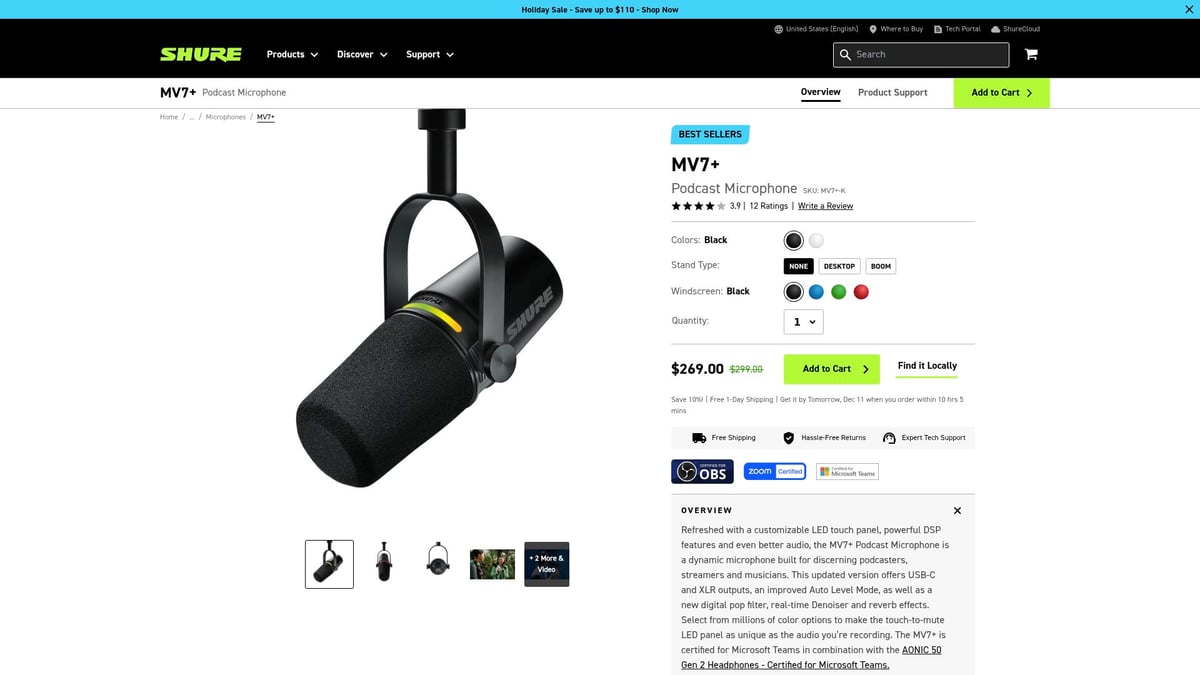
At approximately $279, the MV7+ offers USB and XLR dual connectivity, allowing for direct plug-and-play with computers or integration into advanced audio interfaces. The built-in touch panel provides intuitive control over gain, monitoring, and muting, while real-time headphone monitoring ensures you always capture the right sound.
Key Features:
- USB/XLR hybrid connectivity
- Touch panel controls
- Built-in headphone jack for real-time monitoring
Benefits:
- Studio-quality sound in any environment
- Flexible for both solo and remote podcasting
- Future-proof design supports studio upgrades
Unique Selling Points:
- Voice Isolation Technology minimizes background noise
- Compatible with Shure MOTIV app for advanced customization
Target Audience: Solo podcasters, interviewers, remote creators
Pros:
- Versatile and robust build
- Easy to use for beginners and pros alike
- Delivers clean, professional audio
Cons:
- Higher price point compared to entry-level mics
- Boom arm recommended for optimal placement
Example: Many leading podcasts and remote interview shows rely on the MV7+ for consistent sound quality and adaptability.
If you’re searching for comprehensive guidance, you can find more insights on equipment to start a podcast to complement your studio setup.
Rode Rodecaster Pro II Integrated Audio Production Studio
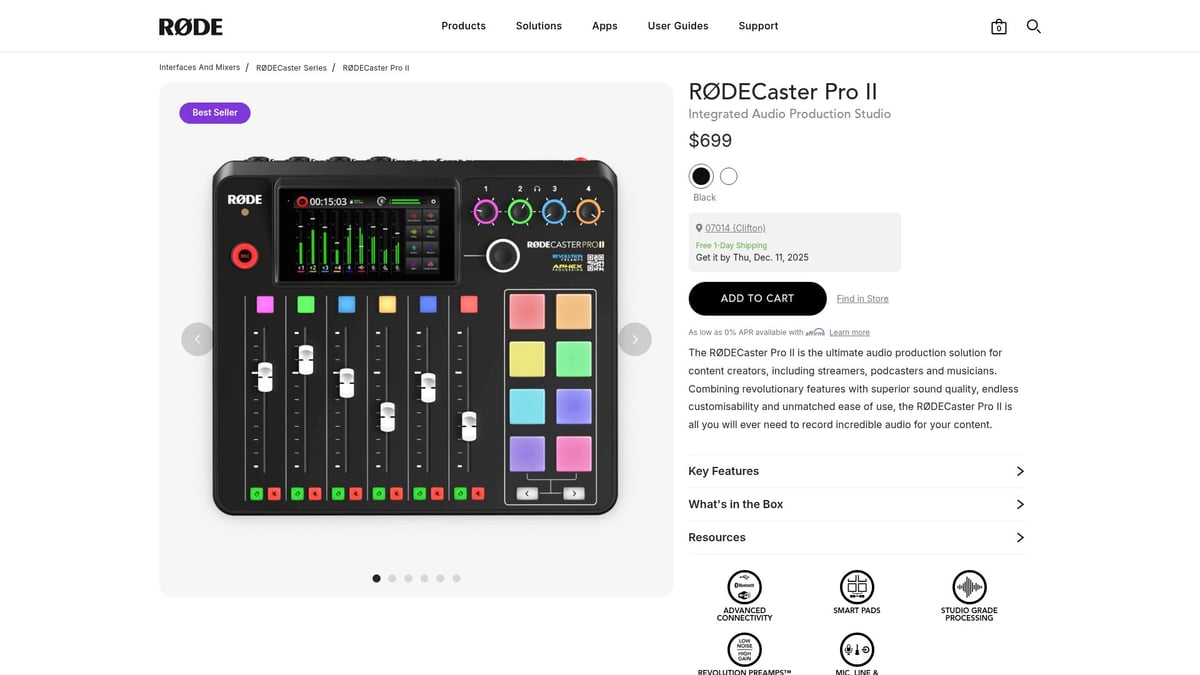
The Rode Rodecaster Pro II is an all-in-one production console, streamlining every aspect of your workflow. Priced around $699, it is designed for creators who want advanced equipment to make a podcast with multiple hosts or complex production needs.
Features:
- Multi-track recording for up to 4 microphones
- APHEX audio processing for broadcast-level sound
- Large touchscreen interface for easy navigation
Benefits:
- Simplifies complex setups with integrated controls
- Customizable sound pads for effects and jingles
- Bluetooth and USB connectivity for versatile input options
Unique Selling Points:
- Supports both studio and live streaming environments
- Allows remote guests with seamless integration
Target Audience: Multi-host podcasts, live streamers, production teams
Pros:
- Intuitive controls and comprehensive features
- Professional-grade audio output
Cons:
- Higher cost may deter beginners
- Learning curve for advanced functions
Example: Used by professional studios and teams managing multiple audio sources and live broadcasts.
| Feature | Benefit | Who It’s For |
|---|---|---|
| 4 Mic Inputs | Multi-host recording | Panel podcasts, interviews |
| APHEX Processing | Enhanced sound quality | Studios, pros |
| Sound Pads | Quick access to effects | Live streamers |
The Rodecaster Pro II stands out as a future-ready piece of equipment to make a podcast that rivals broadcast standards.
Audio-Technica ATH-M50x Studio Headphones
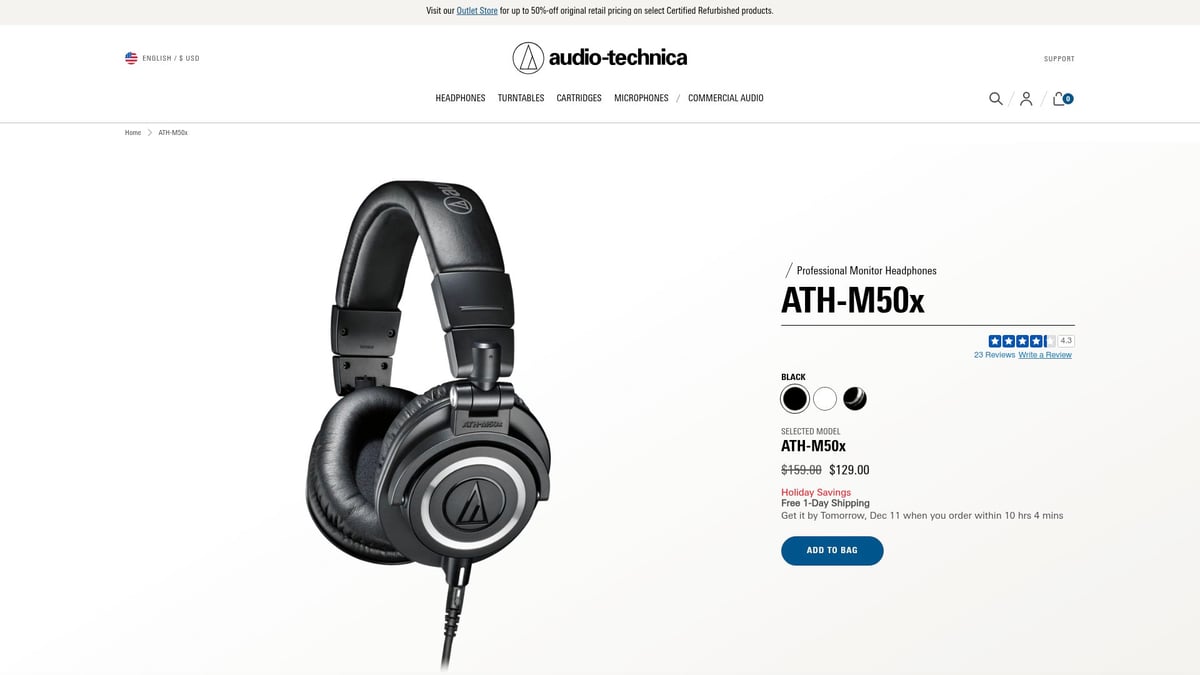
Audio-Technica’s ATH-M50x headphones are recognized as industry-standard for podcast monitoring in 2026. Priced at about $169, these closed-back headphones offer the precision needed for editing and mixing, making them essential equipment to make a podcast with professional clarity.
Features:
- 45mm large-aperture drivers for detailed sound
- Swiveling earcups for single-ear monitoring
- Three detachable cables for flexibility
Benefits:
- Accurate sound reproduction for editing
- Comfortable for extended sessions
- Durable construction for frequent use
Unique Selling Points:
- Trusted by audio engineers worldwide
- Superior sound isolation in noisy environments
Target Audience: Podcasters, audio editors, producers
Pros:
- Excellent sound isolation
- Long-lasting, rugged build
Cons:
- Not wireless, cable management required
- Bulky for on-the-go use
Example: Frequently chosen by podcast editors who need reliable equipment to make a podcast with flawless post-production.
| Model | Type | Price | Key Benefit |
|---|---|---|---|
| ATH-M50x | Closed-back | $169 | Studio monitoring |
The ATH-M50x ensures every nuance is heard, making it a staple for anyone investing in equipment to make a podcast.
Focusrite Scarlett 2i2 (4th Gen) Audio Interface
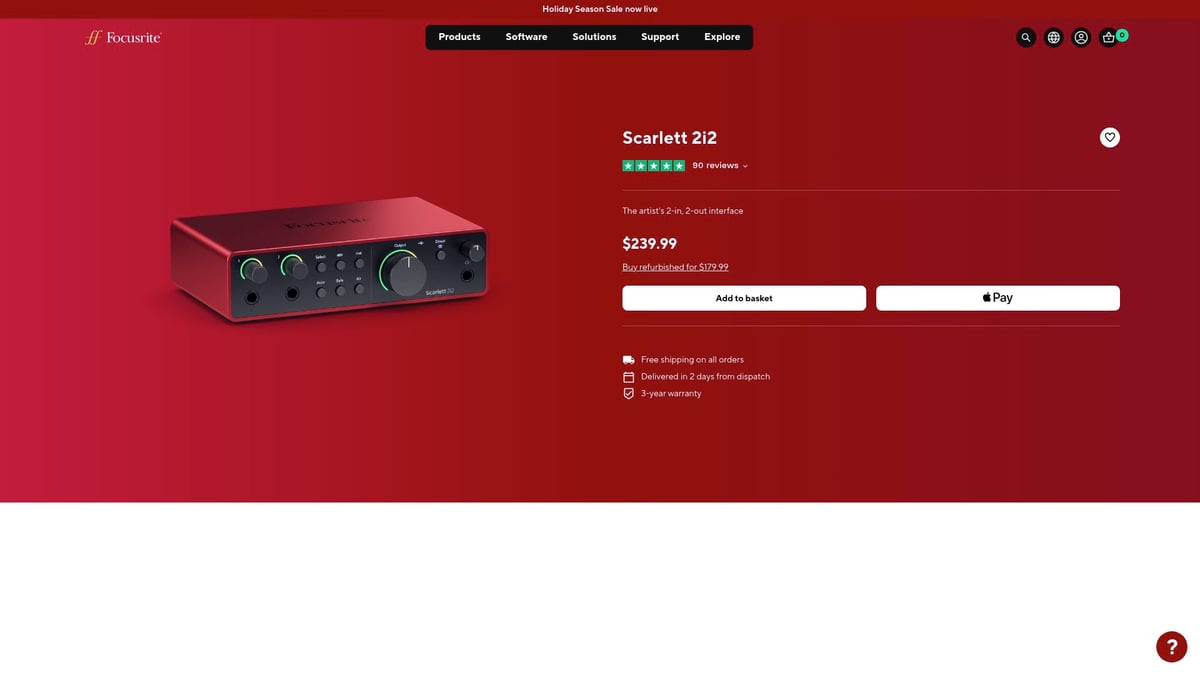
A reliable audio interface is foundational equipment to make a podcast. The Focusrite Scarlett 2i2 (4th Gen), at around $199, delivers pristine audio capture for home studios and mobile creators.
Features:
- Two mic/line/instrument inputs
- Ultra-low latency for real-time monitoring
- 24-bit/192kHz converters for high-quality audio
Benefits:
- Plug-and-play USB connection
- Clean, clear recordings with minimal setup
- Portable and robust for travel or home use
Unique Selling Points:
- Air mode enhances brightness and clarity
- Compatible with all major digital audio workstations (DAWs)
Target Audience: Home studio podcasters, musicians, small teams
Pros:
- Reliable performance
- Compact and easy to transport
Cons:
- Limited to two simultaneous inputs
- Requires a computer to operate
Example: Used by thousands of creators to record podcasts and music, making it trusted equipment to make a podcast with professional standards.
| Input Count | Latency | Portability | Price |
|---|---|---|---|
| 2 | Ultra-low | High | $199 |
The Scarlett 2i2 is ideal for solo podcasters or those with simple setups who still demand quality equipment to make a podcast.
Descript Podcast Editing Software
Descript is transforming podcast editing with its AI-powered, cloud-based approach. With a free plan and paid options starting at $12/month, it is a must-have piece of equipment to make a podcast efficiently in 2026.
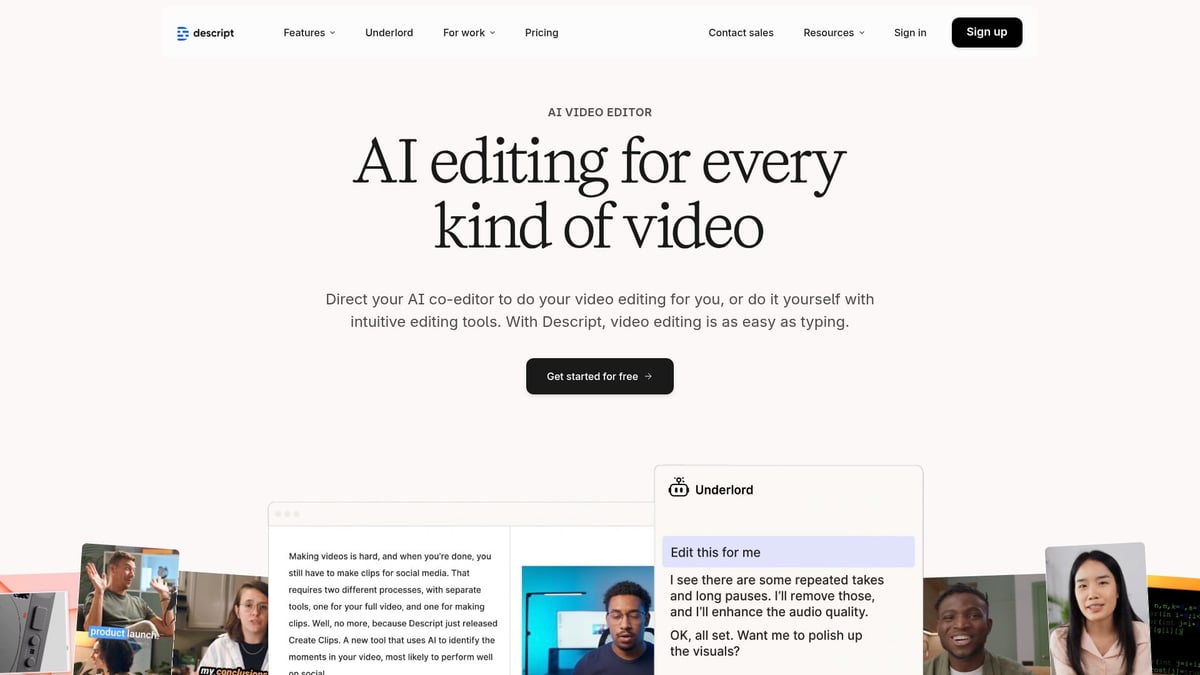
Features:
- Multitrack audio and video editing
- Filler word removal and AI-powered cleanup
- Remote collaboration and automatic transcription
Benefits:
- Edit audio like a text document
- Rapid workflow for faster episode production
- Overdub voice cloning for quick corrections
Unique Selling Points:
- Integrated transcription simplifies editing
- Cloud-based platform supports remote teams
Target Audience: Podcasters, editors, content creators
Pros:
- User-friendly interface
- Saves significant editing time
Cons:
- Requires stable internet connection
- Advanced features require paid plan
Example: Used by teams to edit podcasts and repurpose episodes for YouTube, making it indispensable equipment to make a podcast in a fast-paced production environment.
| Plan | Price | Key Feature |
|---|---|---|
| Free | $0 | Basic editing |
| Creator | $12/month | Overdub, transcription |
Descript streamlines every stage, ensuring your equipment to make a podcast works seamlessly from recording to publishing.
Elgato Wave:3 USB Microphone
The Elgato Wave:3 is a premium USB microphone with digital mixing, ideal for creators who want simple yet powerful equipment to make a podcast. At about $149, it combines excellent sound with intuitive controls.
Features:
- Clipguard technology to prevent audio distortion
- Capacitive mute button for quick silencing
- Wave Link software for live mixing and routing
Benefits:
- Prevents unwanted audio peaks
- Seamless integration with streaming and podcasting software
Unique Selling Points:
- Designed for streamers and podcasters
- Plug-and-play setup, no drivers needed
Target Audience: Beginner podcasters, solo creators, live streamers
Pros:
- Affordable and compact
- Delivers high-quality audio for its price
Cons:
- USB only, not suitable for multi-mic setups
- Lacks XLR connectivity for future upgrades
Example: Popular among new creators seeking equipment to make a podcast without technical complexity.
| Feature | Benefit |
|---|---|
| Clipguard | Prevents distortion |
| Wave Link | Live audio mixing |
The Wave:3 proves that affordable equipment to make a podcast can still deliver professional results.
Gator Frameworks Deluxe Podcast Boom Arm
A sturdy boom arm is essential equipment to make a podcast with ergonomic comfort and professional appearance. The Gator Frameworks Deluxe Podcast Boom Arm, priced at around $129, offers flexible and stable mic placement for any studio.
Features:
- 360-degree rotation for precise positioning
- Internal springs for silent adjustments
- Integrated cable management for clean setup
Benefits:
- Keeps your workspace tidy
- Reduces handling noise during recording
- Supports heavy microphones
Unique Selling Points:
- Professional look for video podcasts
- Accommodates a wide range of mic weights
Target Audience: Podcasters, streamers, home studio users
Pros:
- Sturdy build and smooth movement
- Easy to adjust to any desk setup
Cons:
- Larger footprint compared to basic arms
- Premium price for a boom arm
Example: Featured in many leading podcast studios, this boom arm supports equipment to make a podcast that looks and sounds professional.
| Feature | Advantage |
|---|---|
| 360-degree rotation | Flexible movement |
| Cable management | Tidy workspace |
Investing in a quality boom arm ensures your equipment to make a podcast remains reliable and your recording sessions comfortable.
Selecting the right equipment to make a podcast in 2026 is an investment in your show’s success. These seven essentials provide the foundation for professional audio, efficient workflows, and a standout listener experience. Whether you are just starting or upgrading your studio, thoughtful choices in equipment to make a podcast will set your show apart.
About Podcast Monkey Podcast Monkey is a video-first podcast production agency that handles strategy, recording support, editing, YouTube optimization, and repurposed clips for B2B brands. We specialize in turning raw podcast recordings into polished episodes and social content ready for YouTube, podcast platforms, and social media.
To get help with your show, book a free personalized podcast strategy consultation here: https://calendly.com/d/crd7-h33-vmq/personalized-podcast-strategy-consultation
Emerging Trends in Podcast Equipment for 2026
The landscape for equipment to make a podcast is shifting rapidly in 2026, shaped by new technologies and changing creator demands. As competition grows, investing in smarter, future-proof podcast gear is no longer optional. Let us explore the five most important trends shaping the next generation of podcasting equipment.
AI-Powered Audio Processing and Editing
Artificial intelligence is transforming equipment to make a podcast. In 2026, AI-driven tools handle everything from noise reduction to automatic leveling, and even generate show notes with remarkable accuracy. Over 60 percent of new podcasts now use at least one AI tool in production, streamlining workflows and raising the bar for audio quality.
Key innovations include:
- Real-time voice enhancement and personalized sound profiles.
- Automated transcription and language translation.
- AI-powered editing that removes filler words and background noise.
For a deeper dive into these advancements, see this overview of AI-powered audio enhancement trends.
Integration of Video Podcasting and Multi-Camera Setups
With video podcasts gaining traction, equipment to make a podcast now often includes 4K cameras, lighting rigs, and multi-angle recording gear. Creators are investing in hardware that supports both traditional audio and high-quality video production. Multi-camera setups allow for dynamic storytelling and audience engagement, making video podcasting a standard rather than an exception.
Top developments:
- Seamless switching between video feeds.
- Built-in video editing features in podcast software.
- Integration with live-streaming platforms for hybrid shows.
Wireless Microphones and Bluetooth-Enabled Interfaces
Wireless technology is reshaping equipment to make a podcast, offering creators more flexibility and mobility. Wireless microphones with low-latency Bluetooth connectivity are now common, supporting untethered interviews and on-location recording without sacrificing sound quality.
Key improvements:
- Longer battery life and fast charging.
- Stable, interference-free connections.
- Compact interfaces that pair with smartphones and tablets.
Eco-Friendly and Sustainable Podcast Gear
Sustainability is now a major consideration when selecting equipment to make a podcast. Manufacturers are creating microphones, headphones, and accessories from recycled materials and offering energy-efficient devices. This trend reflects a broader commitment to reducing environmental impact within the audio industry.
What to look for:
- Packaging made from biodegradable or recycled materials.
- Devices with energy-saving modes.
- Brands with transparent sustainability practices.
All-in-One Podcast Kits for Beginners and Mobile Creators
All-in-one podcast kits are simplifying the process for new creators and those recording on the go. These kits bundle microphones, interfaces, headphones, and sometimes cameras, making it easier than ever to get started with equipment to make a podcast. Many kits are now modular, allowing for future upgrades without replacing the entire setup.
Advantages include:
- Plug-and-play functionality.
- Portability for creators who travel.
- Cost-effective bundles with essential gear.
Hybrid podcast studios are also becoming more common, blending live streaming with traditional recording to maximize reach and engagement.
About Podcast Monkey Podcast Monkey is a video-first podcast production agency that handles strategy, recording support, editing, YouTube optimization, and repurposed clips for B2B brands. We specialize in turning raw podcast recordings into polished episodes and social content ready for YouTube, podcast platforms, and social media.
To get help with your show, book a free personalized podcast strategy consultation here: https://calendly.com/d/crd7-h33-vmq/personalized-podcast-strategy-consultation
How to Choose the Right Podcast Equipment for Your Needs
Selecting the right equipment to make a podcast in 2026 can feel overwhelming, especially with so many new products and features on the market. The right gear will not only enhance your audio quality but also streamline your workflow and support your podcast’s unique style.
Understand Your Podcast Format
Before diving into equipment to make a podcast, identify your show’s format. Are you a solo host, part of a co-hosted team, or planning frequent interviews? Narrative podcasts may require more advanced editing and multiple microphones, while solo shows can start with a simple setup.
Interview podcasts often need portable gear for on-location recording. Roundtable discussions benefit from multi-mic interfaces. Tailoring your equipment to make a podcast based on your format ensures efficiency and quality from the outset.
Set Your Budget and Priorities
Budget is a critical factor when evaluating equipment to make a podcast. Start by listing your must-haves, such as a reliable microphone and headphones. Allocate more funds to components that impact sound quality directly, like microphones and audio interfaces.
Entry-level creators can begin with affordable USB microphones, while established podcasters might invest in premium gear. Remember, you do not need to buy everything at once. Prioritize the essentials first, then upgrade as your show grows and revenue allows.
A simple table can help prioritize:
| Priority | Essential Gear | Upgrade Options |
|---|---|---|
| 1 | Microphone | XLR mic, audio interface |
| 2 | Headphones | Studio monitors |
| 3 | Editing software | Advanced DAW |
Consider Portability and Studio Needs
Are you recording in a dedicated studio, or do you need flexibility for remote interviews and travel? The answer shapes the equipment to make a podcast that fits your lifestyle. Portable USB microphones and compact audio interfaces are ideal for creators on the go.
If you plan to build a permanent setup, invest in a sturdy boom arm, acoustic treatment, and cable management solutions. For more tips on creating a professional recording environment, check out Setting up a podcast studio.
Ensure Compatibility and Plan for Growth
Check that your equipment to make a podcast is compatible with your preferred recording software and distribution platforms. USB microphones offer plug-and-play convenience, while XLR mics paired with audio interfaces provide more flexibility for future upgrades.
Think about upgradability. Will you want to add more microphones later? Will your editing software support video podcasts if you expand your format? Choose gear that supports your growth, so you will not need to replace everything as your show evolves.
Leverage Community Insights and Compare Setups
Tap into online podcasting communities for reviews and recommendations on equipment to make a podcast. Listening to trusted voices can help you avoid common pitfalls and discover hidden gems that suit your workflow.
For example, a remote interview podcast may rely on lightweight gear and cloud-based editing, while a roundtable discussion benefits from multi-channel interfaces and robust studio setups. Comparing real-world setups can reveal what works best for podcasts similar to yours.
Final Thoughts
Choosing equipment to make a podcast requires balancing format, budget, portability, compatibility, and community insights. With the right approach, you will build a setup that supports your creative vision and delivers professional results.
About Podcast Monkey Podcast Monkey is a video-first podcast production agency that handles strategy, recording support, editing, YouTube optimization, and repurposed clips for B2B brands. We specialize in turning raw podcast recordings into polished episodes and social content ready for YouTube, podcast platforms, and social media.
To get help with your show, book a free personalized podcast strategy consultation here: https://calendly.com/d/crd7-h33-vmq/personalized-podcast-strategy-consultation
About Podcast Monkey
If you are searching for expert support after selecting the right equipment to make a podcast, Podcast Monkey is here to help. Our agency specializes in video-first podcast production for B2B brands, guiding creators from strategy and recording to editing and YouTube optimization.
We turn raw podcast recordings into polished episodes and targeted social content. Our experienced team ensures your show stands out, whether you need video podcast editing services or end-to-end production support.
Ready to take your podcast to the next level? Book a free personalized podcast strategy consultation to get started.
After exploring the essential gear you need to launch a standout podcast in 2026, you might still have questions about what will work best for your unique vision or how to streamline your production process. I know firsthand how overwhelming it can feel to choose the right setup, especially as technology continues to evolve. If you want expert guidance tailored to your goals, let’s connect for a free, personalized strategy session. Together, we can map out a podcasting plan that fits your needs and helps you make the most of every episode.
Book A Free Consultation