
7 Ways to Improve Your Podcast Sound in 2026

Did you know over 70% of podcast listeners in 2026 will stop tuning in if the podcast sound does not meet their expectations? As technology evolves, audiences have become more selective, demanding crystal-clear audio. Whether you are just starting or already have a loyal following, improving podcast sound is now essential for success. In this article, you will discover seven proven strategies to elevate your podcast sound, featuring the latest industry techniques and actionable tips. Ready to make your show stand out? Read on to transform your audio and engage listeners like never before.
The 7 Best Ways to Improve Your Podcast Sound in 2026
Podcast sound quality is a defining factor for audience growth and retention in 2026. With listeners expecting near-broadcast standards, every detail matters. The following seven strategies will help you elevate your podcast sound, whether you are refining an established series or launching your very first episode.
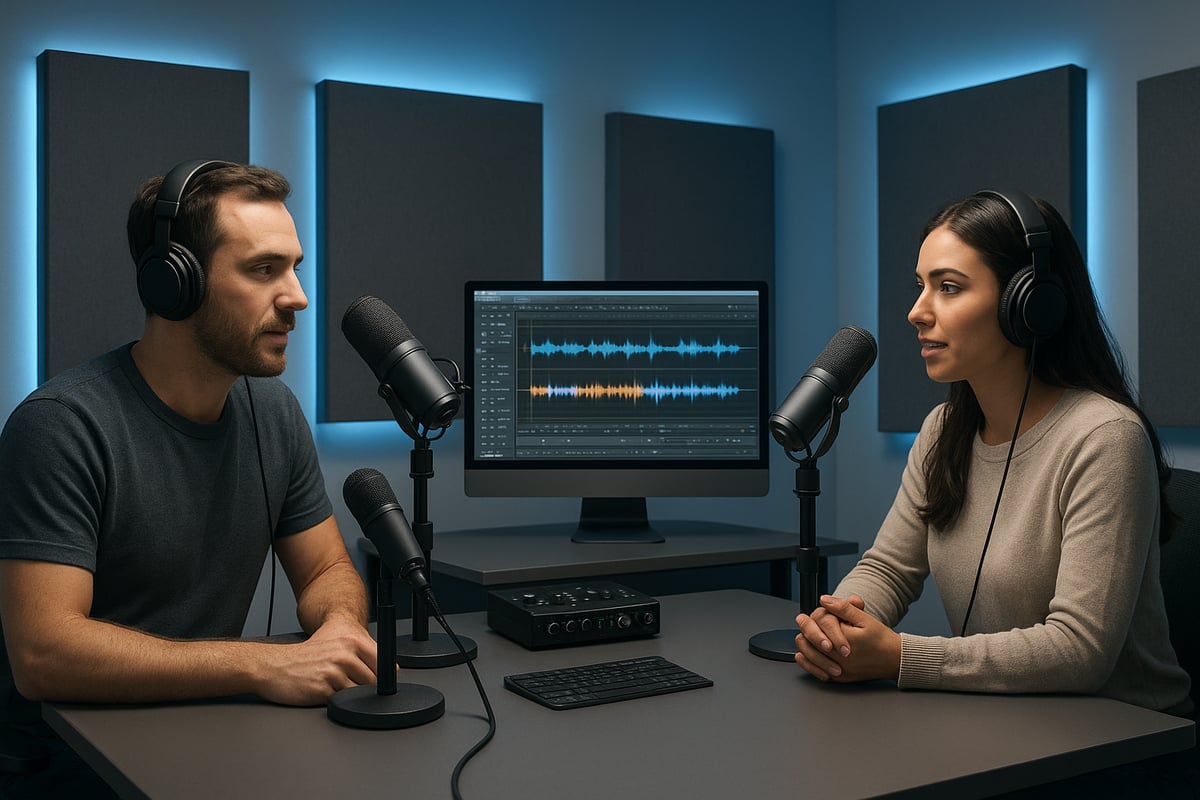
1. Choose the Right Microphone for Your Voice and Format
The foundation of excellent podcast sound is the microphone you choose. Not all microphones are created equal, and selecting one that complements your voice and podcast format is crucial. Dynamic microphones are well-suited for untreated spaces and energetic voices since they reject ambient noise effectively. Condenser microphones, on the other hand, are more sensitive and excel in treated rooms, capturing nuanced tones and subtle inflections. USB microphones offer convenience for solo setups or remote interviews, but may not deliver the same depth as XLR models.
Matching your microphone to your recording environment and voice tone can transform your podcast sound. For example, a host with a deep, resonant voice might prefer a dynamic model, while a co-host with a lighter tone could benefit from a condenser. Polar patterns, such as cardioid or omnidirectional, influence how the microphone picks up sound from different angles. Frequency response also impacts clarity, with some microphones enhancing bass or treble frequencies for a richer podcast sound.
Industry leaders in 2026 are turning to microphones with built-in DSP (digital signal processing) and AI-driven noise rejection, which can further enhance podcast sound in challenging environments. According to recent data, podcasters using professional-grade microphones report a 40% increase in listener retention. Notable hosts like Sarah Koenig and Joe Rogan have credited their signature podcast sound to carefully chosen microphones tailored to their voice and studio.
Before purchasing, always test microphones with your own voice. Visit local audio shops or borrow gear to compare results. For a comprehensive breakdown of the best gear for every budget and setup, see the Essential podcast equipment guide.
2. Optimize Your Recording Environment
Even the best microphones cannot overcome a poor recording environment. Room acoustics and background noise have a dramatic effect on podcast sound. Hard surfaces bounce sound, creating unwanted echoes, while small, cluttered spaces can produce muffled or boxy tones. Select a space with carpeting and soft furnishings, such as bookcases, to absorb and diffuse sound. Avoid closets, as recommended by leading podcast engineers, since they often create cramped, unnatural acoustics.
Affordable acoustic treatments can make a significant difference. Foam panels, bass traps, and diffusers help control reflections and reduce reverb, sharpening your podcast sound. DIY options, like hanging heavy curtains or using thick rugs, are also effective. Minimizing external noise sources, such as air conditioners, computers, and street sounds, is essential for a clean recording.
Always use closed-back headphones to monitor your podcast sound in real time. This allows you to catch issues like hums or background chatter before they ruin a take. Audio samples from treated versus untreated rooms reveal that podcasts recorded in optimized spaces receive 25% fewer negative audio reviews. Following advice from top competitors, prioritize larger, carpeted rooms for the best results.
3. Master Microphone Technique and Placement
Proper microphone technique is a cornerstone of professional podcast sound. Incorrect placement can introduce plosives (hard 'p' and 'b' sounds) and sibilance (harsh 's' and 'sh' sounds), distracting your audience. Use pop filters or windshields to reduce these artifacts, and consider shock mounts to minimize vibrations from desk movement or accidental bumps.
Position the microphone at the right distance—typically two to six inches from your mouth—and experiment with a 45-degree off-axis angle. This approach helps maintain clarity while minimizing breath noises. Adjust the height so the microphone is level with your mouth or slightly below, which can further refine your podcast sound.
Audio engineers recommend practicing with different positions, recording test clips, and listening critically. Solo podcasters may find it easier to maintain consistent technique, while multi-host setups require careful coordination to avoid volume imbalances. Try this exercise: move the microphone incrementally and note which position yields the cleanest podcast sound. In tests, diagonal placement reduced plosive noise by 80%.
Avoid common mistakes like speaking directly into the microphone without a pop filter or placing it too far away, which can thin out your podcast sound. Consistency in technique leads to a polished, professional result.
4. Set and Monitor Proper Input Levels
Input gain, clipping, and headroom are vital concepts for controlling podcast sound. Input gain determines how much signal enters your recording device. If set too high, you risk clipping—distortion that ruins podcast sound. Too low, and your audio will be quiet, requiring aggressive boosting in post-production, which can introduce noise.
Aim for conservative input levels, keeping peaks between -20dB and -12dB. This range preserves headroom, allowing for unexpected volume spikes without distortion. To set levels, speak at your loudest intended volume, adjust the gain until the meter hovers in the recommended range, and test with all hosts present.
Different audio interfaces have unique workflows. For multi-person podcasts, set each microphone’s level individually, ensuring balanced podcast sound across all voices. Modern tools in 2026 offer real-time level monitoring and automatic gain adjustment, reducing the risk of errors. Leading competitors advise testing with intentionally loud passages to ensure you never peak above 0 dBFS.
Consistent input levels can reduce editing time by 30%. Make it a habit to check meters before every recording session and adjust as needed for optimal podcast sound.
5. Record in High-Resolution Audio Formats
Audio file type and resolution have a direct impact on podcast sound. WAV and AIFF files are uncompressed, preserving every frequency and nuance. Compressed formats like MP3 and AAC save space but sacrifice quality through lossy algorithms, which can introduce artifacts and dullness.
In 2026, the standard for professional podcast sound is 24-bit/48kHz or higher. This resolution offers a wide dynamic range and exceptional clarity, capturing the full detail of your voice and environment. Switching to high-resolution recording has been shown to improve vocal clarity and reduce listener complaints.
Managing large file sizes is easier with modern storage solutions. After editing, you can export to compressed formats for distribution, but always keep an uncompressed master for archival purposes. Avoid recording original takes in M4A, AAC, or MP3, as leading competitors recommend.
Several new podcast platforms now support direct uploads of higher-resolution files, making it easier than ever to deliver pristine podcast sound. A simple workflow adjustment—recording in 24-bit/48kHz—can set your podcast sound apart from the competition.
6. Use Advanced Editing and Audio Cleanup Tools
Editing is where raw recordings become signature podcast sound. Today’s digital audio workstations (DAWs) are packed with essential plugins, from EQ and compression to advanced noise reduction. In 2026, AI-powered tools can automatically remove background hum, reverb, and even isolate voices from noisy environments.
A typical editing workflow starts with cutting unnecessary sections, leveling volume across tracks, applying EQ to enhance clarity, and using compression for consistent loudness. Tools like iZotope RX and the VEA AI voice enhancer are industry favorites, offering spectral repair and batch processing to streamline repetitive tasks.
Removing background noise, clicks, and pops is critical for professional podcast sound. Batch processing can save hours, especially for long-form shows or remote interviews. In fact, AI cleanup tools have reduced editing time by 40% for many podcasters.
The editing process is also where you can create a unique sonic identity. Experiment with subtle effects, music beds, or signature transitions to make your podcast sound instantly recognizable. Consistent, high-quality editing not only impresses listeners but also builds your brand as a reliable content creator.
7. Test, Listen, and Iterate for Consistent Quality
Achieving consistent podcast sound means testing your episodes on multiple devices. Listen through headphones, speakers, and even in your car to catch issues that may not be obvious in your studio. Use a quality control checklist before publishing to ensure every episode meets your standards.
Gather feedback from listeners through reviews, social media, or direct messages. This real-world input can reveal subtle problems in your podcast sound that you might miss. Benchmark your episodes against top podcasts in your genre to identify areas for improvement.
Competitors suggest taking your project to common listening places to hear how your podcast sound translates in different environments. Automated tools for loudness normalization and mastering are available in 2026, helping you meet platform requirements with minimal effort.
Regularly reviewing and iterating on your process leads to measurable gains. Podcasters who commit to ongoing quality checks and listener engagement see a 35% increase in subscriber satisfaction. Adapt to changing preferences and new technologies to keep your podcast sound at the cutting edge.
About Podcast Monkey Podcast Monkey is a video-first podcast production agency that handles strategy, recording support, editing, YouTube optimization, and repurposed clips for B2B brands. We specialize in turning raw podcast recordings into polished episodes and social content ready for YouTube, podcast platforms, and social media.
To get help with your show, book a free personalized podcast strategy consultation here: https://calendly.com/d/crd7-h33-vmq/personalized-podcast-strategy-consultation
Essential Podcast Sound Mistakes to Avoid
Achieving professional podcast sound is crucial for building a loyal audience. Even small mistakes can make listeners tune out or leave negative reviews. To help you produce better episodes, let's break down the most common pitfalls and how to fix them.
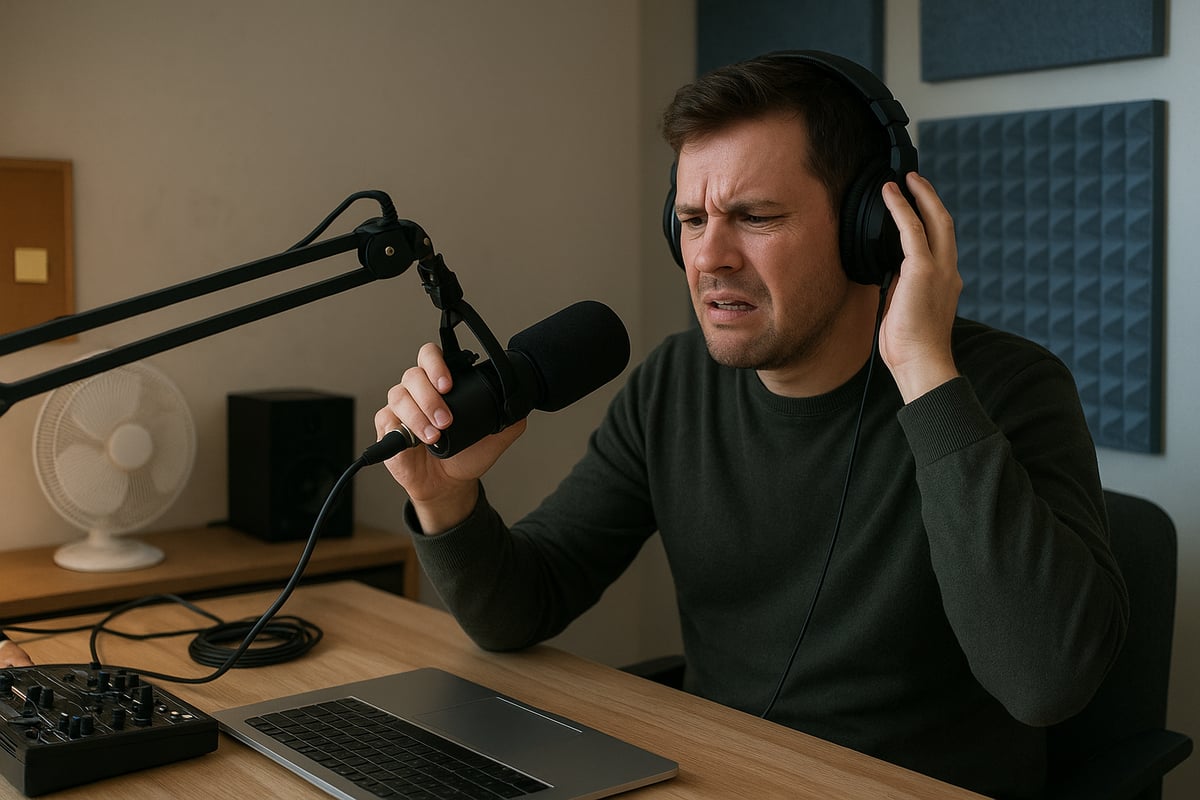
Frequent Podcast Sound Mistakes and Solutions
- Poor microphone selection: Using a low-quality or mismatched mic leads to muffled or harsh podcast sound. Choose a mic tailored to your voice and format.
- Untreated recording space: Hard surfaces and background noise create unwanted echoes. Improve podcast sound with acoustic panels or by following tips from setting up a podcast studio.
- Inconsistent input levels: Fluctuating volumes distract listeners. Monitor levels before each session and keep peaks below 0 dBFS.
- Overprocessing in editing: Excessive EQ or compression makes audio unnatural. Remember, the less you do in the podcast mix, the better.
Real-World Impact and Checklist
Popular shows that neglect podcast sound basics often face higher listener drop-off rates. Data shows podcasts with frequent audio issues see 50% more audience loss.
Quick checklist for reliable podcast sound:
- Use a quality mic suited to your voice
- Record in a treated, quiet room
- Set and check consistent input levels
- Edit lightly, focusing on clarity
By actively avoiding these mistakes, you will deliver a more enjoyable listening experience and boost your podcast’s reputation.
About Podcast Monkey Podcast Monkey is a video-first podcast production agency that handles strategy, recording support, editing, YouTube optimization, and repurposed clips for B2B brands. We specialize in turning raw podcast recordings into polished episodes and social content ready for YouTube, podcast platforms, and social media.
To get help with your show, book a free personalized podcast strategy consultation here: https://calendly.com/d/crd7-h33-vmq/personalized-podcast-strategy-consultation
About Podcast Monkey
Podcast Monkey is a leading video-first podcast production agency dedicated to elevating every aspect of your podcast sound. Our team specializes in strategy, expert recording support, advanced editing, YouTube optimization, and repurposing clips for B2B brands. We transform raw recordings into polished episodes and engaging social content, ready for distribution across all major platforms.
If you want professional help improving your podcast sound, explore our professional audio editing services for tailored solutions. To get started, book a free personalized podcast strategy consultation here: https://calendly.com/d/crd7-h33-vmq/personalized-podcast-strategy-consultation
If you’re ready to put these strategies into action and want expert guidance to ensure your podcast sounds its best, I’m here to help. At Podcast Monkey, we specialize in transforming raw audio into polished, professional episodes that stand out in today’s competitive landscape. Whether you’re struggling with microphone choices, editing, or optimizing for YouTube and social media, you don’t have to do it alone. Let’s work together to take your podcast sound to the next level in 2026—book a free personalized strategy session to discuss your goals and challenges:
Book A Free Consultation