
Podcast Editor Jobs: Career Guide & Opportunities 2026

The podcasting industry continues its explosive growth in 2026, creating unprecedented demand for skilled professionals who can transform raw recordings into polished, engaging content. As podcast creators recognize the competitive advantage of professional editing, podcast editor jobs have emerged as one of the most sought-after positions in digital media. Whether you're a seasoned audio professional or someone passionate about storytelling through sound, understanding the landscape of podcast editing careers can help you navigate this dynamic field and position yourself for success in an industry that shows no signs of slowing down.
Understanding the Podcast Editor Role
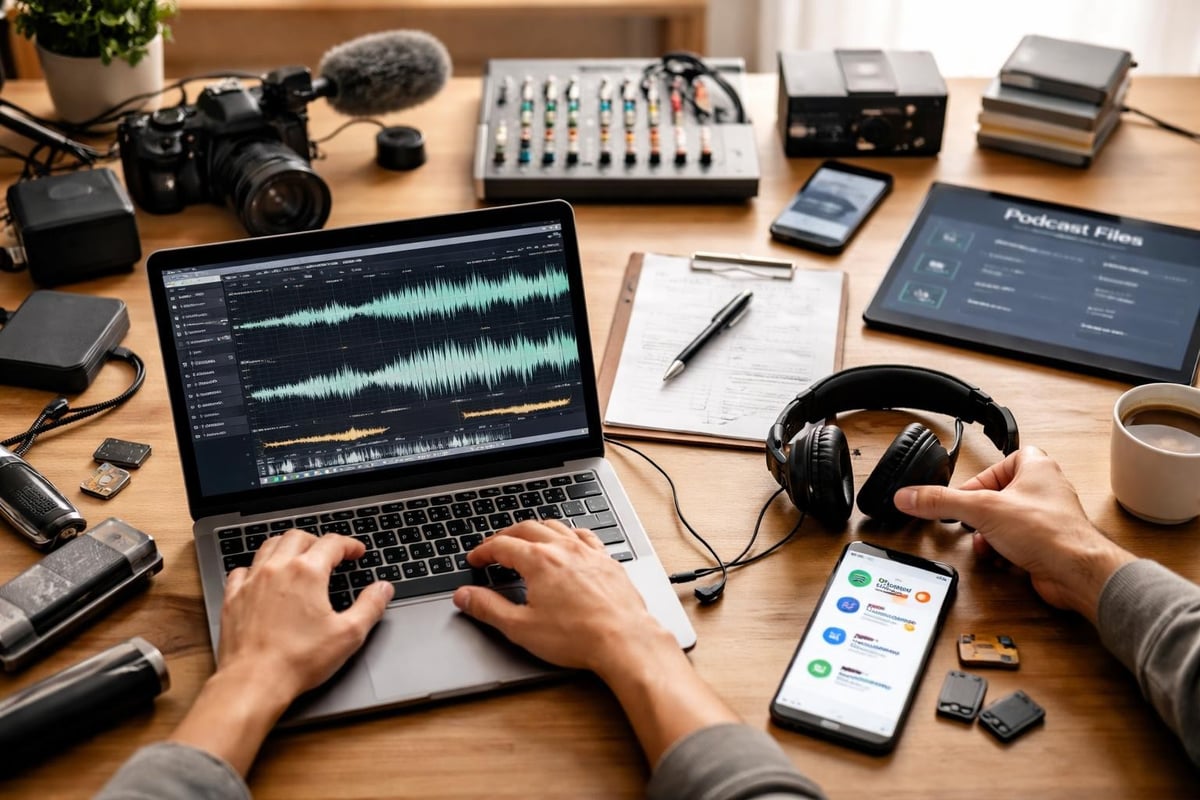
Podcast editors serve as the bridge between raw recordings and the final product listeners experience on platforms worldwide. These professionals handle everything from removing awkward pauses and background noise to adding music, sound effects, and ensuring consistent audio levels throughout episodes.
The scope of podcast editor responsibilities extends far beyond basic audio cleanup. Modern podcast editors often manage show notes, create episode descriptions, upload content to hosting platforms, and coordinate with hosts to maintain brand consistency across all episodes. Some editors specialize in video podcast production, requiring skills in both audio and visual editing software.
Core Responsibilities
Professional podcast editors typically manage several key tasks that ensure episode quality and consistency:
- Audio enhancement and cleanup: Removing background noise, mouth clicks, and other distracting sounds
- Content structuring: Arranging segments, trimming excess content, and pacing episodes for optimal engagement
- Music and effects integration: Adding intro/outro music, transitions, and sound effects that enhance storytelling
- Quality control: Ensuring consistent volume levels, proper compression, and overall audio quality
- File preparation: Exporting episodes in appropriate formats and specifications for various platforms
Many editors also collaborate closely with hosts during the post-production podcast phase, providing feedback on content flow and suggesting improvements for future recordings. This collaborative aspect requires strong communication skills alongside technical expertise.
Skills and Qualifications Required
Breaking into podcast editor jobs requires a combination of technical proficiency and creative sensibility. Employers seek candidates who can balance the artistic aspects of audio storytelling with the technical demands of professional production.
Technical Skills
Mastery of digital audio workstations (DAWs) forms the foundation of any podcast editor's skill set. Industry-standard software includes:
| Software | Primary Use | Skill Level Required |
|---|---|---|
| Adobe Audition | Multi-track editing, restoration | Intermediate to Advanced |
| Audacity | Basic editing, effects | Beginner to Intermediate |
| Pro Tools | Professional audio production | Advanced |
| Reaper | Cost-effective professional editing | Intermediate to Advanced |
| Logic Pro X | Mac-based production | Intermediate to Advanced |
Beyond software proficiency, successful podcast editors understand audio fundamentals including equalization, compression, limiting, and noise reduction. Knowledge of file formats, bit rates, and encoding standards ensures compatibility across platforms.
Creative and Soft Skills
The best podcast editors combine technical expertise with storytelling instincts. They understand pacing, know when to cut and when to preserve natural conversation flow, and can enhance narratives through strategic editing choices.
Essential soft skills include:
- Active listening and attention to detail
- Time management and ability to meet deadlines
- Communication skills for client collaboration
- Problem-solving when dealing with poor-quality source audio
- Adaptability to different podcast styles and genres
Understanding the needs of video podcast editing adds significant value to your profile, as more creators expand into visual platforms like YouTube.
Job Market and Employment Opportunities
The podcast editor job market in 2026 offers diverse pathways for professionals at various career stages. Understanding where these opportunities exist helps you target your job search effectively.
Employment Settings
Podcast editor jobs span multiple employment models, each offering distinct advantages:
- Freelance/Independent contracting: Maximum flexibility, direct client relationships, variable income
- Production companies: Steady workflow, team collaboration, benefits packages
- In-house positions: Working for media companies, corporations, or educational institutions with dedicated podcast programs
- Agency work: Handling multiple clients, diverse projects, comprehensive podcast production services
Freelance editors often start by building portfolios with smaller creators before transitioning to higher-paying clients or agency positions. Many successful editors maintain hybrid models, combining stable in-house work with selective freelance projects.
Industry Sectors Hiring
Podcast editor jobs exist across virtually every industry as organizations recognize podcasting's marketing and communication value:
- Media and entertainment companies producing narrative podcasts and interview shows
- Corporate communications departments creating branded content and internal communications
- Educational institutions developing instructional content and research dissemination programs
- Marketing agencies managing client podcast programs
- Individual creators and influencers building personal brands through audio content
The rise of B2B podcast content has created particularly strong demand for editors who understand business communication and can work within corporate guidelines.
Salary Expectations and Compensation
Compensation for podcast editor jobs varies significantly based on experience, location, employment type, and specialization. Understanding salary ranges helps you negotiate effectively and set realistic career expectations.
Geographic Variations
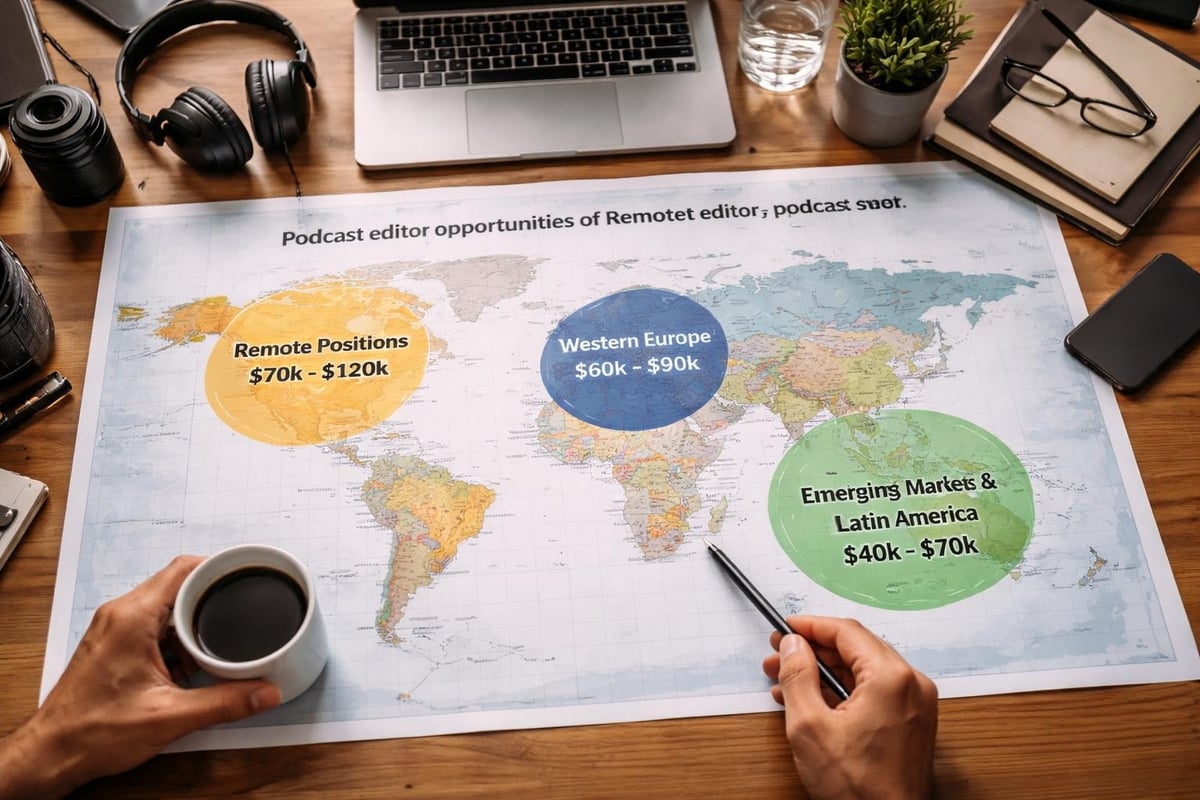
Location significantly impacts earning potential. According to salary data for podcast editors in London, UK-based editors can expect different compensation than those in emerging markets like Ludhiana, India.
North American Market (2026 estimates):
- Entry-level editors: $35,000 - $45,000 annually
- Mid-level editors: $45,000 - $70,000 annually
- Senior editors/producers: $70,000 - $100,000+ annually
- Freelance rates: $50 - $150 per episode (varying by complexity)
Factors influencing compensation:
- Portfolio quality and demonstrated expertise
- Specialization in video editing or specific genres
- Client type (individual creators vs. corporate clients)
- Turnaround speed and reliability
- Additional skills like mixing, mastering, or sound design
Freelance podcast editors often earn more per hour than salaried positions but must account for inconsistent workload, self-employment taxes, and lack of benefits when comparing total compensation.
Breaking Into Podcast Editor Jobs
Entering the podcast editing field requires strategic preparation and portfolio development. Even without formal audio production education, motivated individuals can build competitive applications through focused skill development.
Building Your Foundation
Start by developing proficiency in at least one professional DAW. Free software like Audacity provides an entry point, but investing time in industry-standard tools increases employability. Online courses, YouTube tutorials, and practice projects help build technical confidence.
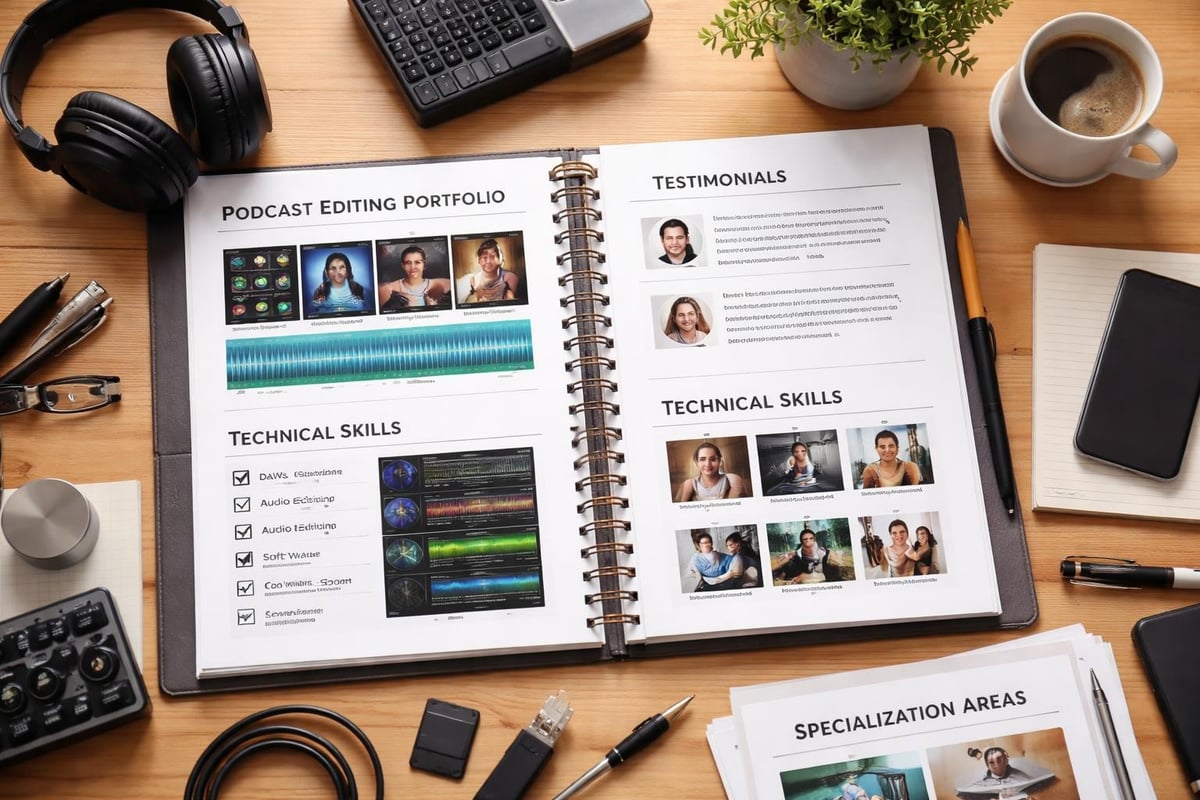
Portfolio development strategies:
- Volunteer for emerging podcasters: Build experience while helping creators who can't yet afford professional editing
- Create sample edits: Download Creative Commons audio and demonstrate your editing abilities
- Start your own show: Nothing teaches editing like producing your own content
- Offer discounted rates initially: Build testimonials and case studies while developing your workflow
Consider learning about podcast equipment to better understand recording challenges and provide valuable input to clients during the production process.
Job Search Strategies
Finding podcast editor jobs requires proactive networking and strategic application approaches. Traditional job boards represent only one avenue for discovering opportunities.
| Strategy | Effectiveness | Time Investment |
|---|---|---|
| LinkedIn networking | High | Medium |
| Podcast-specific job boards | Medium-High | Low |
| Direct outreach to podcasters | Medium | High |
| Freelance platforms | Medium | Medium |
| Industry Facebook groups | Medium-Low | Low |
Examining real-world job postings like those from Carnivore Style and Snaphunt opportunities reveals what employers prioritize in candidates and helps you tailor your applications accordingly.
Specialization Opportunities
As the podcasting industry matures, specialization within podcast editor jobs creates opportunities for premium positioning and higher compensation. Developing expertise in specific areas distinguishes you from generalist editors.
Video Podcast Editing
The explosion of video podcasting on YouTube and other platforms has created demand for editors skilled in both audio and visual production. Video podcast editors handle multiple camera angles, color correction, graphics integration, and platform-specific optimization.
This specialization requires understanding video podcast equipment setups and editing workflows that differ significantly from audio-only production. Familiarity with software like Adobe Premiere Pro, Final Cut Pro, or DaVinci Resolve becomes essential.
Narrative and Storytelling Podcasts
Narrative podcasts demand editors with advanced sound design skills who can create immersive audio experiences. These positions often pay premium rates due to the additional expertise required in:
- Complex multi-track mixing
- Sound effects creation and integration
- Music composition and scoring
- Pacing and dramatic timing
- Voice modulation and processing
Corporate and Branded Content
Business podcasts require editors who understand professional communication standards and can maintain brand consistency. These editors often work with higher budgets but face stricter guidelines regarding content, tone, and production values.
Knowledge of successful podcast strategies helps you provide valuable input beyond technical editing, positioning you as a strategic partner rather than simply a service provider.
Tools and Technology
Staying current with evolving technology separates competent podcast editors from exceptional ones. The tools you master directly impact your efficiency, output quality, and competitive positioning.
Essential Software Suite
Professional podcast editors typically maintain proficiency across multiple software categories:
Primary editing platforms: At minimum, one professional DAW for core editing work Noise reduction tools: Specialized plugins like iZotope RX for audio restoration Project management: Tools for tracking multiple clients and deadlines File transfer: Services for receiving and delivering large audio files Communication platforms: Video conferencing and async communication tools for client collaboration
Many editors also use AI-powered tools for automated transcription, which speeds up the editing process by making it easier to locate specific segments within long recordings.
Emerging Technologies
Artificial intelligence and machine learning are transforming podcast editing workflows without replacing human editors. Smart tools now handle repetitive tasks like:
- Automated filler word removal
- Noise gate application
- Consistent volume leveling across speakers
- Automatic chapter marker generation
Understanding these technologies and incorporating them into your workflow increases efficiency while preserving the creative judgment that distinguishes professional editing from automated processing.
Career Advancement Pathways
Podcast editor jobs can serve as entry points to broader careers in audio production, media management, and content strategy. Understanding potential growth trajectories helps you make strategic decisions about skill development and positioning.
Vertical Progression
Entry-level editor → Senior editor → Lead producer → Production director
This traditional pathway involves taking on increasing responsibility for project management, team leadership, and strategic decision-making. Senior positions often involve less hands-on editing and more oversight, quality control, and client relationship management.
Horizontal Expansion
Many podcast editors expand their service offerings to become full-service production professionals:
- Adding recording and engineering services
- Offering podcast strategy consulting
- Developing expertise in platform optimization and distribution
- Building skills in social media content creation from podcast material
Some editors transition into teaching roles, creating courses and tutorials that generate passive income while establishing thought leadership in the field.
Entrepreneurial Opportunities
Experienced podcast editors often build agencies or production companies, leveraging their expertise and networks to create scalable businesses. This path requires business development skills alongside production expertise but offers the highest potential earning ceiling.
Understanding the competitive landscape of podcast editing companies helps you identify market gaps and positioning opportunities if you pursue this direction.
Working With Clients and Managing Projects
Success in podcast editor jobs depends as much on client management as on technical ability. Professional editors develop systems and communication practices that ensure smooth workflows and satisfied clients.
Setting Client Expectations
Clear communication about turnaround times, revision policies, and deliverable specifications prevents misunderstandings and scope creep. Many successful editors create detailed job descriptions or service agreements that outline exactly what clients receive.
Key elements to establish upfront:
- Typical turnaround time based on episode length
- Number of revision rounds included
- File delivery formats and specifications
- Communication preferences and availability
- Pricing structure and payment terms
Project Management Systems
Handling multiple clients and deadlines requires organized systems for tracking work, communicating status, and managing file versions. Successful editors often use:
- Project management software: Tools like Trello, Asana, or Monday.com for tracking episode status
- Cloud storage: Organized folder structures for source files, works-in-progress, and finals
- Templates and presets: Standardized effects chains and processing for efficiency
- Checklists: Quality control steps to ensure consistency across all deliverables
Developing efficient podcast production workflows allows you to handle higher volumes without sacrificing quality, directly impacting earning potential.
Remote Work and Global Opportunities
The digital nature of podcast editing makes it one of the most location-independent careers available. This flexibility creates opportunities for geographic arbitrage and international client relationships.
Building a Remote Practice
Successful remote podcast editors invest in reliable internet connections, backup systems, and clear communication protocols. Time zone differences require flexibility but also enable 24-hour production cycles when managed strategically.
Considerations for remote work:
- Reliable high-speed internet for large file transfers
- Backup internet connection for critical deadlines
- Cloud-based workflow for access from multiple locations
- Clear communication about availability across time zones
- Professional communication tools and practices
The global nature of podcasting means your clients could be anywhere. Understanding cultural differences, communication preferences, and working styles helps you build successful international client relationships.
Freelance Platforms and Marketplaces
Online marketplaces connect podcast editors with clients worldwide, though competition often drives prices lower than direct client relationships. These platforms work best for:
- Building initial portfolio and testimonials
- Filling gaps between direct clients
- Testing new service offerings
- Establishing baseline pricing and service packages
Most successful editors eventually transition away from marketplace dependence toward direct client relationships with higher rates and more stable workflows.
Continuing Education and Professional Development
The rapid evolution of podcast technology and audience preferences requires ongoing learning to remain competitive in podcast editor jobs. Professional development investments pay dividends through expanded capabilities and higher earning potential.
Skill Expansion Areas
Identify gaps in your capabilities and systematically address them through focused learning:
- Advanced audio restoration for challenging source material
- Music theory and composition for original scoring
- Video editing for multimedia podcast production
- Social media content creation from podcast material
- Analytics and performance optimization
Understanding trends in YouTube podcasts helps you anticipate client needs and position yourself for emerging opportunities in video-first podcast production.
Industry Engagement
Participating in podcast communities, attending conferences, and engaging with other professionals builds your network while keeping you current on industry developments:
- Join professional associations and online communities
- Attend podcast conferences and production workshops
- Follow industry leaders and production innovators
- Contribute to discussions and share your expertise
- Collaborate with other editors on complex projects
This engagement often leads to referrals, partnership opportunities, and insights that improve your service delivery.
Podcast editor jobs offer rewarding careers for audio professionals who combine technical expertise with creative storytelling sensibility, and the field continues expanding as more creators recognize the value of professional production. Whether you're starting your journey or looking to advance your existing editing career, Podcast Monkey provides comprehensive production services that can help you understand industry standards, learn from professional workflows, and see how experienced teams deliver exceptional results for podcast creators.
About Podcast Monkey
Podcast Monkey is a video-first podcast production agency that handles strategy, recording support, editing, YouTube optimization, and repurposed clips for B2B brands. We specialize in turning raw podcast recordings into polished episodes and social content ready for YouTube, podcast platforms, and social media.
To get help with your show, book a free personalized podcast strategy consultation here: https://calendly.com/d/crd7-h33-vmq/personalized-podcast-strategy-consultation