
Podcast Equipment Guide: Essential Tools for 2026 Creators

Podcasting is experiencing explosive growth, with more creators entering the space than ever before. As competition intensifies in 2026, having the right podcast equipment is essential for standing out and delivering professional audio quality.
This guide will break down podcast equipment for every level, from beginners to seasoned professionals. You will learn about microphones, audio interfaces, headphones, recording software, must-have accessories, and future trends shaping the industry.
Discover how your choice of podcast equipment impacts your sound and listener experience. Take action with our up-to-date recommendations and start building or upgrading your ideal podcast setup today.
Choosing the Right Microphone for Your Podcast
With the right microphone at the heart of your podcast equipment, your voice will sound clear and professional to every listener. Selecting the ideal mic can seem daunting with so many options, but understanding the basics helps you make a confident choice.
Understanding Microphone Types
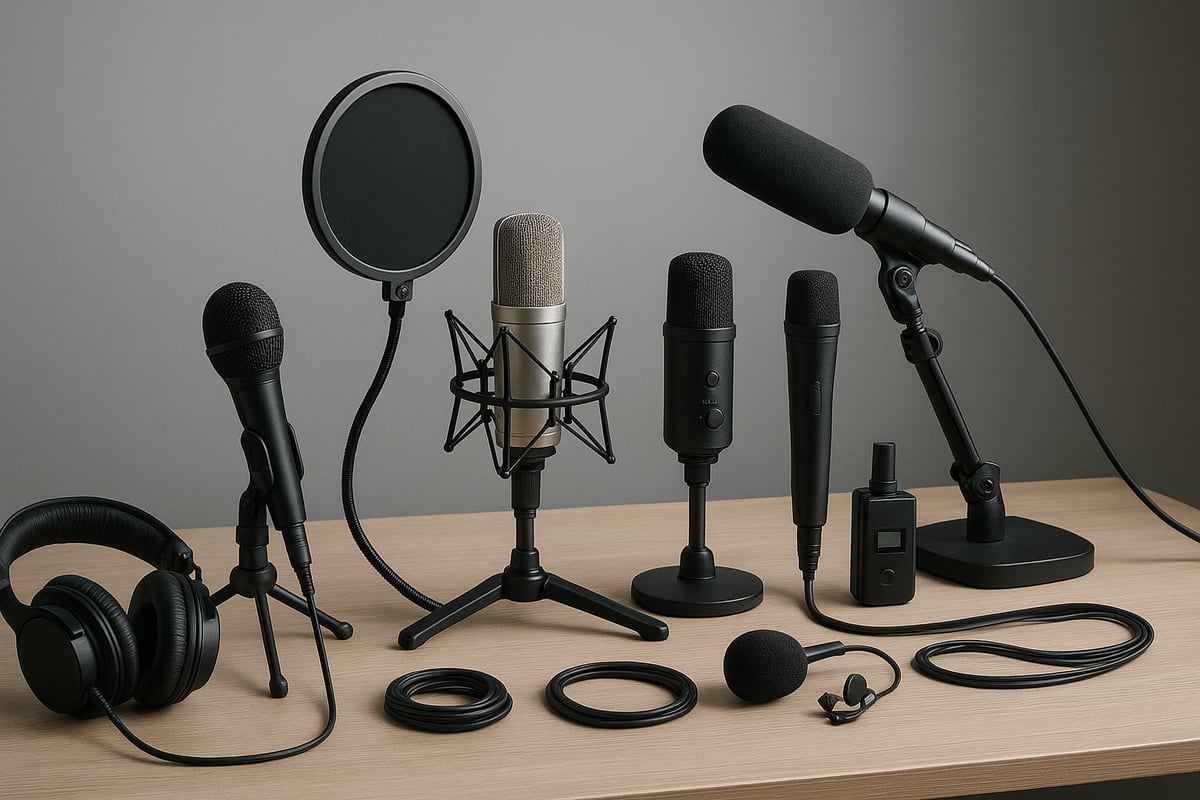
Choosing the right podcast equipment starts with knowing your microphone options. Dynamic microphones are robust and handle loud voices or noisy spaces well, while condenser microphones are more sensitive, capturing detailed sound in controlled environments.
USB microphones are popular among beginners for their plug-and-play simplicity. XLR microphones, on the other hand, require an audio interface but offer superior audio quality and flexibility for advanced setups. Wireless microphones bring freedom of movement for mobile podcasting, while lavalier and headset mics are ideal for interviews or recording on the go. Shotgun mics excel in directional audio, especially in challenging acoustic spaces.
Popular 2026 models like the RØDE PodMic USB and NT-USB Mini lead the market. According to Movo's 2024 data, USB microphones continue to dominate entry-level podcast equipment setups. For more foundational guidance, check out Basic podcast equipment essentials.
Key Features to Consider in 2026
When evaluating podcast equipment in 2026, pay attention to features that directly shape your audio quality and workflow. Frequency response and polar patterns determine how your mic captures sound and rejects unwanted noise.
Many modern microphones include built-in DSP for real-time audio enhancement, making your recordings sound polished from the start. Compatibility with AI-powered noise reduction is increasingly important as background noise control improves. Onboard controls for gain, mute, and headphone monitoring offer hands-on flexibility.
Portability and durability matter, especially for remote creators. The RØDE Wireless GO (Gen 3) stands out with advanced DSP, providing reliable performance in diverse environments. As podcast equipment evolves, these features set the standard for both new and experienced creators.
Top Microphone Recommendations by Use Case
Selecting the best microphone depends on your podcast’s format and environment. For solo podcasting, dynamic USB/XLR hybrid mics deliver a blend of ease and quality. Co-host or interview setups benefit from multi-pattern condenser microphones, capturing multiple voices with clarity.
If you record remotely or in the field, wireless and lavalier microphones are practical choices. Video podcasters should look for microphones that are visually appealing with a minimal footprint to stay out of the camera’s way.
For budget-conscious creators, entry-level USB mics like the NT-USB Mini offer great value. Premium options, such as the RØDE PodMic USB, provide broadcast-quality sound for more demanding podcast equipment requirements.
Microphone Accessories for Optimal Performance
Accessories are essential for getting the most out of your podcast equipment. Shock mounts and boom arms stabilize your microphone and isolate it from desk vibrations or accidental bumps, while pop filters and windscreens reduce plosives and wind noise for cleaner recordings.
Quality XLR or USB cables are crucial for maintaining signal integrity. Protective cases and bags keep your gear safe during transport, especially if you record in various locations.
A popular accessory in 2026 is the RØDE PSA1+ Professional Studio Arm, prized for its flexibility and build quality. Investing in these accessories enhances the reliability and lifespan of your podcast equipment.
Microphone Setup Tips for Crystal-Clear Audio
Proper setup is vital for maximizing the performance of your podcast equipment. Place your microphone at an appropriate distance and angle for your voice type and environment. Setting gain levels carefully helps prevent distortion and ensures consistent audio quality.
Consider your room acoustics—soft furnishings and acoustic panels help minimize echo and background noise. Always test and monitor your audio before you start recording to catch issues early.
Common mistakes include placing the mic too close or far, setting gain too high, or ignoring background sounds. Troubleshooting these areas ensures your podcast equipment delivers professional, crystal-clear results.
About Podcast Monkey Podcast Monkey is a video-first podcast production agency that handles strategy, recording support, editing, YouTube optimization, and repurposed clips for B2B brands. We specialize in turning raw podcast recordings into polished episodes and social content ready for YouTube, podcast platforms, and social media.
To get help with your show, book a free personalized podcast strategy consultation here: https://calendly.com/d/crd7-h33-vmq/personalized-podcast-strategy-consultation
Audio Interfaces and Mixers: The Heart of Your Setup
Selecting the right audio interface or mixer is a crucial step in building your podcast equipment arsenal. These devices serve as the bridge between your microphones and your recording software, ensuring your voice is captured with clarity and consistency. As podcasting continues to evolve, the demand for interfaces and mixers tailored for creators has soared, making them the true heartbeat of any setup.
Why You Need an Audio Interface or Mixer
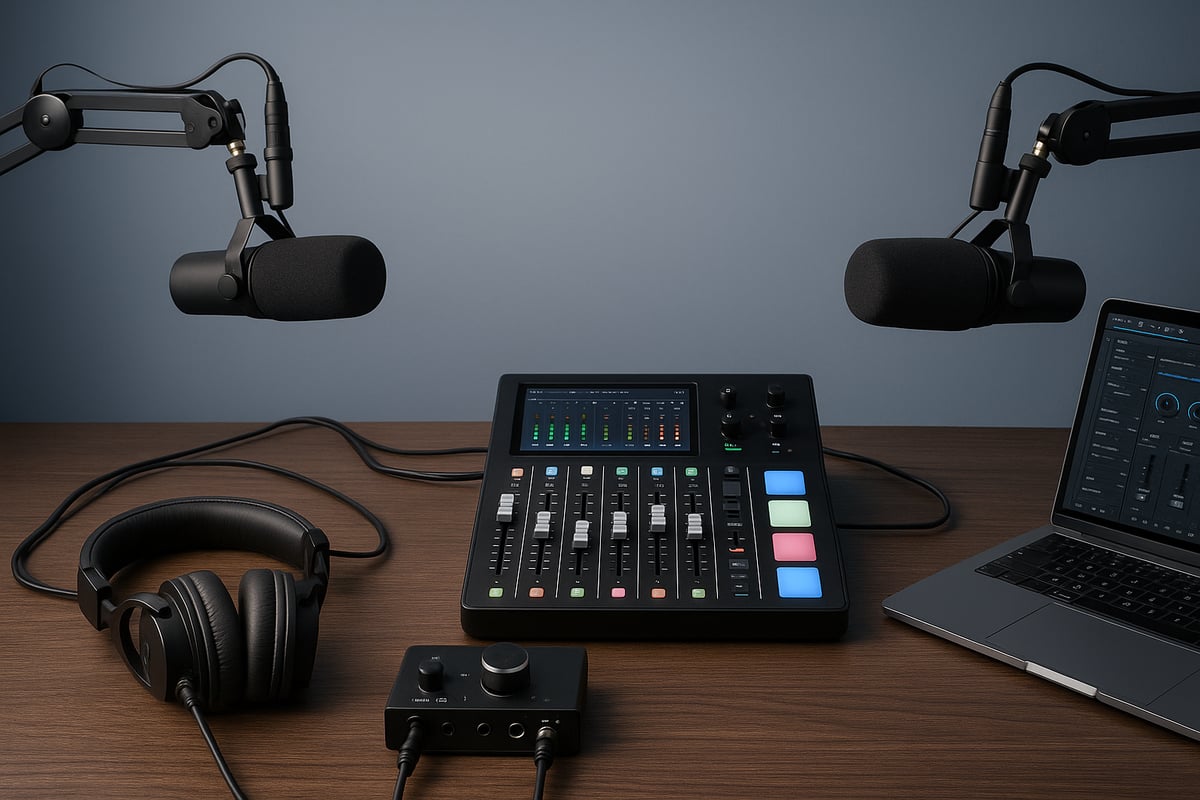
Audio interfaces and mixers convert analog microphone signals into digital audio your computer can process. This is essential for anyone using XLR microphones or managing multiple audio sources. Built-in sound cards on most computers lack the fidelity and control needed for professional results.
With an interface or mixer, creators benefit from real-time monitoring, on-the-fly adjustments, and vastly improved audio quality. For instance, the RØDECaster Pro II offers features specifically designed for podcasters, streamlining complex workflows into an intuitive package. Every serious podcast equipment setup should include a dedicated interface or mixer to maintain production standards.
Key Features to Look for in 2026
When choosing podcast equipment, prioritize interfaces and mixers with multiple inputs and outputs, allowing flexibility for solo or group recordings. Built-in preamps and phantom power are vital for condenser microphones, while onboard effects like EQ, compression, and noise gates provide instant improvements to audio clarity.
Modern devices now offer seamless integration with streaming and video software, USB-C connectivity, and emerging wireless capabilities. Look for AI-powered noise reduction and compatibility with new digital standards. Durability and intuitive design are equally important, ensuring your podcast equipment stands up to frequent use and travel demands.
Mixers vs. Audio Interfaces: Which Is Best for You?
Deciding between a mixer and an audio interface depends on your podcast equipment needs. Audio interfaces are streamlined, ideal for direct-to-computer recording and minimal setup. They offer plug-and-play convenience and are perfect for solo creators or basic interviews.
Mixers, on the other hand, provide tactile control over multiple sound sources, live effects, and advanced routing. They shine in multi-host or live podcast scenarios. Hybrid solutions, like the RØDECaster Duo, blend the best of both worlds, offering compact, all-in-one functionality for modern creators. Consider your recording environment and workflow before making your choice.
| Feature | Audio Interface | Mixer |
|---|---|---|
| Setup Complexity | Simple | Moderate to Complex |
| Live Effects | Limited | Extensive |
| Multi-Source Mgmt | Basic | Advanced |
| Portability | High | Varies |
Top Audio Interface and Mixer Recommendations
For beginners, compact USB interfaces with plug-and-play operation are a smart way to introduce podcast equipment into a home studio. Intermediate creators benefit from multi-input devices, supporting co-hosts and guests with ease. Professionals often choose integrated podcast production consoles with touchscreens and advanced routing.
Industry data shows all-in-one podcast equipment solutions like the RØDECaster line grew in popularity by 30% in 2024. If you are seeking a curated approach, this podcast equipment kit breakdown offers a detailed look at kits tailored for every creator level. Investing in the right interface or mixer ensures your workflow remains efficient and your audio crisp.
Setup and Troubleshooting Tips
Connecting microphones and headphones to your podcast equipment should be straightforward, but always double-check input and output assignments. Adjust gain and output levels to achieve balanced audio without distortion. Keep your devices updated with the latest drivers and firmware.
To minimize latency or audio dropouts, use high-quality cables and avoid overloading your system with unnecessary plugins. Consider backing up recordings directly to an SD card for extra security. Testing your full setup before each session helps catch issues early, ensuring a smooth recording experience every time.
About Podcast Monkey
Podcast Monkey is a video-first podcast production agency that handles strategy, recording support, editing, YouTube optimization, and repurposed clips for B2B brands. We specialize in turning raw podcast recordings into polished episodes and social content ready for YouTube, podcast platforms, and social media.
To get help with your show, book a free personalized podcast strategy consultation here: https://calendly.com/d/crd7-h33-vmq/personalized-podcast-strategy-consultation
Headphones and Monitoring: Hearing Your Best
Selecting the right headphones is crucial for any creator building a professional podcast equipment setup. Monitoring lets you catch audio issues before they affect your final product. Without proper headphones, even top-tier microphones and interfaces may not deliver their full potential.
Let us dive into why headphones are a core component of podcast equipment, how to choose the right pair, and which accessories and techniques will help you achieve flawless results.
Why Monitoring Matters in Podcasting
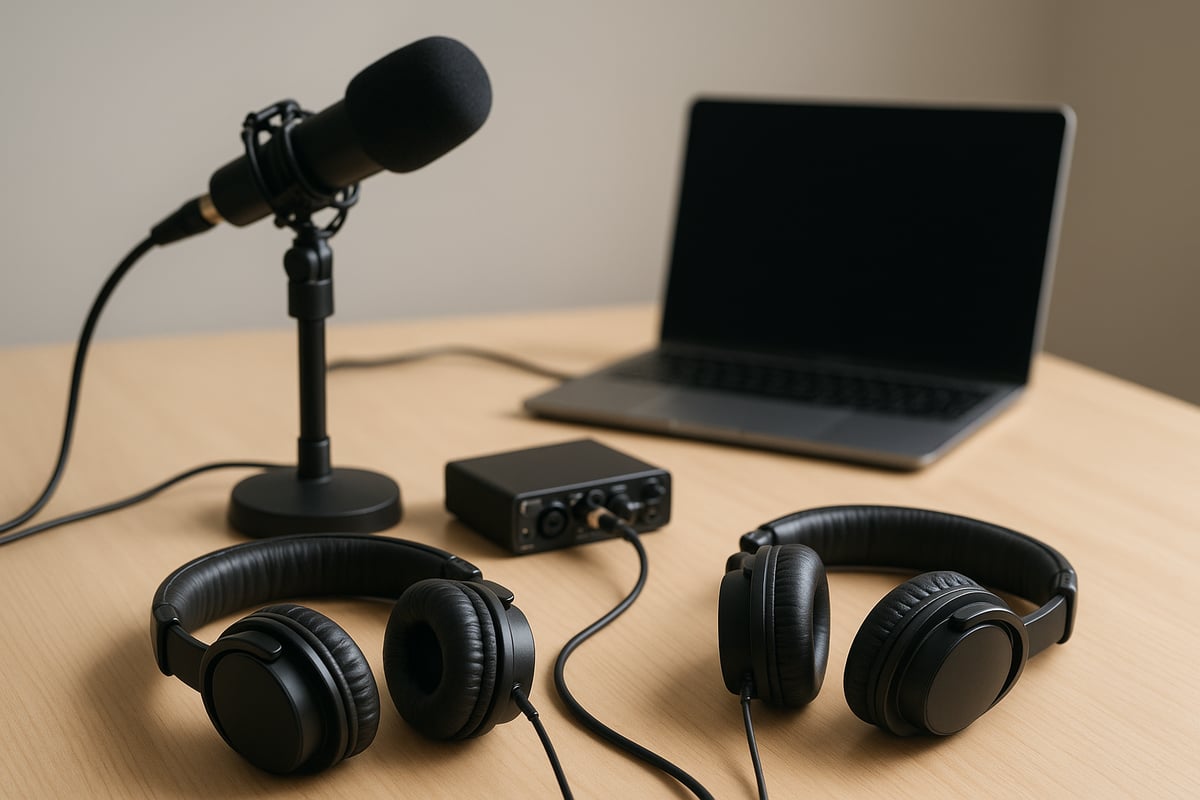
Real-time monitoring is the backbone of any effective podcast equipment workflow. Accurate monitoring helps you identify unwanted noise, distortion, or microphone issues immediately. This prevents costly mistakes that could ruin an entire episode.
Wearing headphones during recording allows you to hear exactly what your audience will hear. It is especially important for remote interviews and live broadcasts, where problems must be resolved instantly. Monitoring gives you control and confidence, which is why it is a non-negotiable part of your podcast equipment checklist.
Creators who take monitoring seriously will notice improvements in delivery and overall sound quality. As a result, listener satisfaction increases, and professionalism shines through every episode.
Choosing the Right Headphones for Podcasting
Podcast equipment selection should always include a focus on headphones. Closed-back headphones are ideal for isolation, blocking out external sounds, and preventing audio bleed into microphones. Open-back designs offer comfort and a more natural sound, making them suitable for longer editing sessions.
Wired headphones are preferred for reliability and zero latency, while wireless options provide flexibility for movement. Over-ear models like the RØDE NTH-100 are popular for long sessions due to their comfort and durability. If you want a comprehensive look at all gear essentials, explore this equipment to start a podcast guide for new creators.
Selecting replaceable parts ensures your podcast equipment lasts longer. Factor in comfort, weight, and compatibility with your other devices before making a choice.
Headphone Accessories and Care
Accessories can make a significant difference in your podcast equipment experience. Replacement ear pads are essential for hygiene and long-term comfort. Extension cables and adapters allow flexible setups, especially in multi-host environments.
A headphone amplifier is useful when several people need to monitor audio at once. Proper care, such as regular cleaning and safe storage, extends the life of your headphones. Using a dedicated case protects your investment during travel or when not in use.
Remember that well-maintained headphones are a vital part of your podcast equipment, ensuring consistent performance and reliability.
Monitoring Techniques for Perfect Results
Optimal monitoring is not just about having the right podcast equipment but also about using it effectively. Adjust your headphone volume to a comfortable level that enables accurate audio assessment without fatigue. Monitor both with and without effects to catch subtle issues.
Split monitoring is beneficial when working with remote guests, allowing you to hear each source clearly. Troubleshoot common problems by checking cable connections and ensuring software settings are correct. Regularly test your headphones before sessions to avoid surprises.
By mastering these monitoring techniques, you can maximize the potential of your podcast equipment and consistently deliver professional-grade audio.
About Podcast Monkey
Podcast Monkey is a video-first podcast production agency that handles strategy, recording support, editing, YouTube optimization, and repurposed clips for B2B brands. We specialize in turning raw podcast recordings into polished episodes and social content ready for YouTube, podcast platforms, and social media.
To get help with your show, book a free personalized podcast strategy consultation here: https://calendly.com/d/crd7-h33-vmq/personalized-podcast-strategy-consultation
Recording Software and Digital Tools for 2026
Selecting the right recording software is as critical as choosing physical podcast equipment. In 2026, digital tools empower creators to record, edit, and publish with greater efficiency and quality than ever before.
Essential Podcast Recording Software
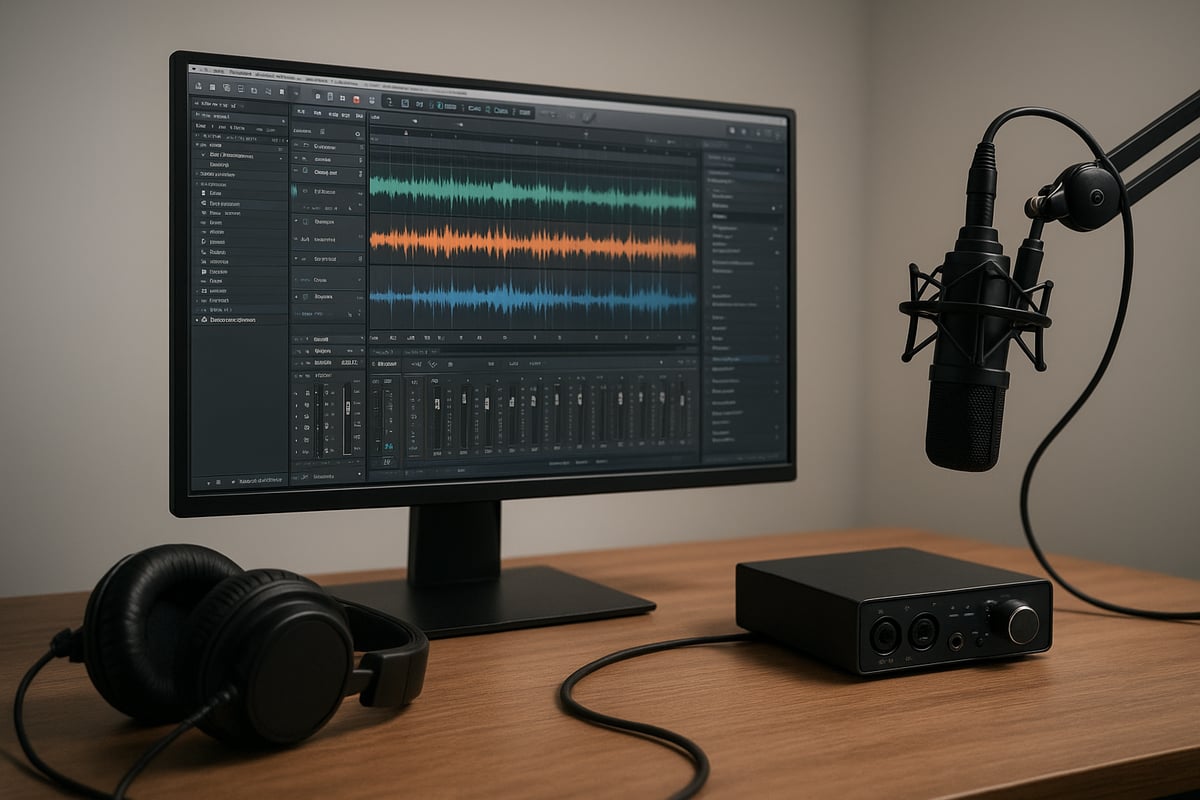
The foundation of digital podcast equipment is your recording software. Leading Digital Audio Workstations (DAWs) like Adobe Audition, Logic Pro, and Reaper remain top choices in 2026 for their multi-track editing and advanced features.
Cloud-based platforms, such as Descript and Riverside, continue to grow in popularity, offering seamless collaboration and remote access. Look for software that supports multi-track recording, precise editing, and easy integration with your podcast equipment.
| DAW | Key Feature | Platform |
|---|---|---|
| Adobe Audition | Advanced editing | Windows, Mac |
| Logic Pro | Multi-track mixing | Mac |
| Descript | Transcription tools | Web, Desktop |
Choosing the right software ensures your podcast equipment delivers the best possible results.
AI and Automation in Podcast Production
AI-powered tools are revolutionizing how creators use podcast equipment. Features such as real-time noise reduction, automatic audio leveling, and instant transcription are now standard in leading platforms.
Integrated automation speeds up editing workflows and improves consistency. For example, open-source solutions like Muyan-TTS: An open-source text-to-speech model optimized for podcast scenarios are shaping the future of podcast equipment, enabling synthetic voices and advanced audio manipulation.
Modern software can generate show notes, detect filler words, and enhance voices, all while integrating directly with publishing platforms. These advancements help podcasters elevate their content quickly and efficiently.
Remote Recording and Collaboration Tools
Remote recording has become a core part of podcast equipment for creators working with guests worldwide. Tools like Riverside, SquadCast, and Zencastr provide high-quality audio and video recording, even with multiple remote participants.
Key features include:
- Multi-guest management with separate audio tracks
- Backup recording for data safety
- Real-time chat and file sharing for seamless collaboration
These digital tools ensure your podcast equipment adapts to the demands of remote production, maintaining professional sound quality in any environment.
Workflow Optimization and File Management
Efficient workflows maximize the value of your podcast equipment. Organize your projects and files using clear folder structures and consistent naming conventions. Most DAWs and cloud tools offer project templates to streamline setup.
Best practices include:
- Backing up raw and edited audio to both local and cloud storage
- Exporting in platform-friendly formats like WAV or MP3
- Collaborating with editors through shared cloud folders
Regularly updating your podcast equipment software and maintaining organized files ensures smooth production from recording to publishing.
About Podcast Monkey
Podcast Monkey is a video-first podcast production agency that handles strategy, recording support, editing, YouTube optimization, and repurposed clips for B2B brands. We specialize in turning raw podcast recordings into polished episodes and social content ready for YouTube, podcast platforms, and social media.
To get help with your show, book a free personalized podcast strategy consultation here: https://calendly.com/d/crd7-h33-vmq/personalized-podcast-strategy-consultation
Must-Have Podcast Accessories and Studio Setup Tips
The right podcast equipment accessories transform a basic setup into a professional studio. From stands to cables, each component plays a role in achieving broadcast-quality sound and a streamlined workflow. For creators aiming to elevate their podcast equipment, optimizing your recording environment is just as important as choosing a quality microphone. For a deeper dive on environment optimization, check out setting up a podcast studio for actionable setup tips.
Stands, Boom Arms, and Mounts
A stable microphone position is essential for clear audio. Stands and boom arms keep your mic secure and reduce handling noise. Tabletop stands offer simplicity and are ideal for compact spaces, while adjustable boom arms provide flexibility and better positioning. Wall or desk-mounted arms save space and reduce vibrations.
Shock mounts further isolate your mic from bumps and desk noise, ensuring clean recordings. Popular podcast equipment choices include the RØDE PSA1+ and Movo Scissor Arms, both praised for their durability and adjustability. Investing in quality mounting solutions not only improves sound but also enhances your workflow.
Pop Filters, Windscreens, and Acoustic Treatment
Quality podcast equipment accessories like pop filters and windscreens are vital for controlling unwanted sounds. Pop filters block plosive bursts from speech, which can distort audio, while windscreens minimize wind noise during outdoor or field recording.
Acoustic foam panels and diffusers help manage reflections and echo, making your space sound more professional. According to industry estimates, proper acoustic treatment can reduce echo by up to 70 percent, resulting in a warmer, more controlled sound. These accessories are small investments that deliver big results in audio clarity.
Cables, Adapters, and Power Solutions
Reliable cables and adapters are the backbone of any podcast equipment setup. High quality XLR, USB, and headphone cables maintain signal integrity and reduce interference. Using robust adapters ensures compatibility across devices, from interfaces to mixers.
Power solutions, such as surge protectors and uninterruptible power supplies, safeguard your gear from power surges and outages. Good cable management, using ties or cable trays, keeps your studio tidy and prevents accidental disconnects. Investing in these essentials extends the lifespan of your podcast equipment and keeps sessions running smoothly.
Portable Podcasting Gear for Creators on the Go
For creators recording outside the studio, portable podcast equipment is a must. Compact microphones and handheld recorders make it easy to capture interviews or field audio. Smartphone-compatible interfaces offer high quality sound with minimal bulk, while lightweight carrying cases keep gear organized and protected.
Power banks ensure your devices stay charged during long sessions. Movo’s portable podcast kits are excellent examples, providing everything needed for mobile content creation. With the right portable podcast equipment, you can maintain high production standards wherever you record.
Video Podcasting and Livestreaming Essentials
As video podcasting grows, adding the right podcast equipment for visuals is essential. Cameras with crisp resolution and adjustable lighting setups help create a polished look. Audio-video sync devices ensure your sound matches your visuals in post-production.
HDMI capture cards and powered USB hubs streamline connections between devices, reducing setup time. Integration with YouTube and other platforms allows for seamless livestreaming and content distribution. By upgrading your podcast equipment for video, you expand your reach and engage audiences across multiple channels.
About Podcast Monkey Podcast Monkey is a video-first podcast production agency that handles strategy, recording support, editing, YouTube optimization, and repurposed clips for B2B brands. We specialize in turning raw podcast recordings into polished episodes and social content ready for YouTube, podcast platforms, and social media.
To get help with your show, book a free personalized podcast strategy consultation here: https://calendly.com/d/crd7-h33-vmq/personalized-podcast-strategy-consultation
Future Trends: What’s Next in Podcast Equipment?
The world of podcast equipment is advancing rapidly as we approach 2026. Creators can expect smarter tools, seamless connectivity, and a strong focus on sustainability. Staying ahead of these trends will ensure your podcast setup remains competitive and future-proof.
Smart and AI-Integrated Equipment
Podcast equipment is becoming more intelligent, with AI-powered features now standard in many new devices. Modern microphones and interfaces are equipped with real-time digital signal processing for automated noise suppression, voice recognition, and instant content tagging.
Some 2026 podcast equipment models offer automatic gain adjustment and background noise removal, allowing creators to focus on content rather than technical details. These innovations streamline production and help deliver professional-quality audio, even in less-than-ideal environments.
Expect more devices to integrate AI for tasks like auto-leveling, live transcription, and even real-time show notes. Adopting these tools will give your podcast a polished sound and a competitive edge.
Enhanced Connectivity and Wireless Solutions
Seamless connectivity is now a top priority for podcast equipment in 2026. Wireless microphones and interfaces have become more reliable, offering creators freedom to record from any location without being tethered by cables.
Bluetooth and Wi-Fi integration allow for remote control of hardware through apps, simplifying multi-device workflows. Cloud syncing ensures that your recordings are instantly backed up and accessible across platforms, making collaboration easier.
For podcasters managing remote interviews or hybrid setups, these wireless solutions provide flexibility and efficiency. The move toward enhanced connectivity is reshaping how creators produce and distribute their shows.
Sustainability and Eco-Friendly Podcast Gear
Sustainability is influencing the design and manufacturing of podcast equipment more than ever. Brands are introducing devices made from recycled materials and using energy-efficient components to reduce their environmental impact.
Packaging is also being reconsidered, with many companies opting for biodegradable or minimal designs. This shift reflects growing consumer demand for eco-friendly products and responsible practices.
When choosing podcast equipment, consider models that prioritize sustainability. Not only does this support the planet, but it also aligns your brand with values increasingly important to listeners and sponsors.
Predictions for the Next Wave of Podcasting Tools
The future of podcast equipment points toward immersive experiences and continued market growth. Expect to see spatial and 360° audio tools, along with AR and VR integration, expanding creative possibilities for podcasters.
According to the Podcasting hardware market projected to reach $28.07 billion by 2034, demand for advanced podcast equipment will continue to rise, driven by innovation and audience growth. Creators should prepare for new formats and technologies that will redefine engagement.
Staying informed about these trends will help you make smart investments in podcast equipment and keep your show at the forefront of the industry.
About Podcast Monkey
Podcast Monkey is a video-first podcast production agency that handles strategy, recording support, editing, YouTube optimization, and repurposed clips for B2B brands. We specialize in turning raw podcast recordings into polished episodes and social content ready for YouTube, podcast platforms, and social media.
To get help with your show, book a free personalized podcast strategy consultation here: https://calendly.com/d/crd7-h33-vmq/personalized-podcast-strategy-consultation
You’ve just explored the essential gear that can set your podcast apart in 2026, from microphones and interfaces to headphones and smart accessories. But figuring out the right setup for your unique goals can still feel overwhelming. If you want expert guidance on building a professional workflow, boosting audio quality, or growing your audience across platforms, let’s connect. At Podcast Monkey, we help creators like you transform raw recordings into polished, compelling episodes ready for YouTube and beyond. Ready to take the next step? Book A Free Consultation and let’s make your podcast vision a reality.