
Post Production Podcast Guide: Mastering the Art in 2026

Podcasting in 2026 is evolving at lightning speed, and post production podcast standards are higher than ever. Creators now face the challenge of delivering crisp, professional audio and video that captivates increasingly discerning audiences. If you want your show to stand out, mastering post production podcast techniques is essential.
This guide offers a step-by-step roadmap, covering everything from the latest tools and trends to expert workflows and strategies for multi-platform success. Whether you are a seasoned host or just starting out, you will find actionable insights to help you achieve professional results and maximize your podcast’s reach.
About Podcast Monkey
Podcast Monkey is a video-first podcast production agency that handles strategy, recording support, editing, YouTube optimization, and repurposed clips for B2B brands. We specialize in turning raw podcast recordings into polished episodes and social content ready for YouTube, podcast platforms, and social media.
To get help with your show, book a free personalized podcast strategy consultation here: https://calendly.com/d/crd7-h33-vmq/personalized-podcast-strategy-consultation
The Evolving Landscape of Podcast Post Production in 2026
Podcasting has advanced rapidly, and the post production podcast process now sits at the heart of this transformation. As we enter 2026, creators face new challenges and opportunities to deliver polished, engaging episodes that meet ever-increasing audience expectations.
The Rise of Professional Podcasting Standards
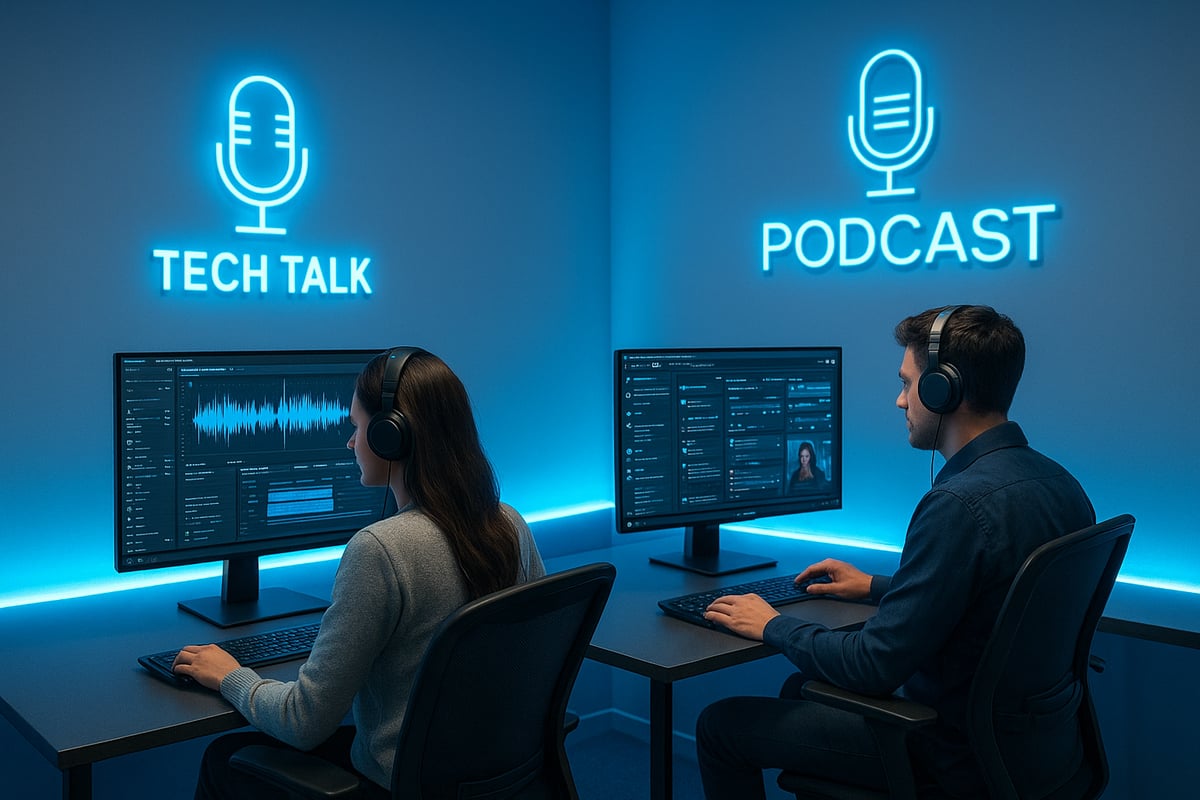
The post production podcast landscape has shifted dramatically as podcasting cements itself as a leading content medium in 2026. Audiences now expect the same production quality found in mainstream media and film, driving creators to elevate their episodes with advanced techniques.
High-profile shows like “Post Production Podcast” have set new benchmarks, blending cinematic audio mixing, immersive soundscapes, and sharp video editing. Their influence has encouraged smaller creators to adopt similar standards, leading to industry-wide improvement.
Data reveals a surge in video podcasts and multi-platform distribution, with creators targeting platforms like YouTube, Spotify, and Instagram to maximize reach. According to 99 Future-Shaping Podcast Industry Stats & Trends (2026), over 65% of new podcasts now include video components and distribute across three or more platforms.
Narrative-driven, immersive audio experiences are also on the rise. Listeners crave storytelling formats that use music, effects, and layered sound design to build atmosphere and emotion. To meet these demands, the post production podcast workflow integrates advanced tools and practices from the worlds of film and television.
AI and automation now play a central role. Machine learning algorithms streamline editing, automate noise reduction, and even suggest content repurposing ideas, enabling teams to produce higher-quality content in less time. This evolution is making professional-grade post production podcast results accessible to more creators than ever before.
Trends Shaping Podcast Post Production
Several important trends define the post production podcast process in 2026. Real-time collaboration tools and cloud-based workflows have become essential, enabling distributed teams to work together efficiently no matter their location.
AI-driven editing tools are widely adopted for noise reduction, audio enhancement, and even content repurposing. These solutions not only save time but also help maintain consistent quality throughout the post production podcast process.
Accessibility is another major focus. Podcasts now routinely include transcripts, captions, and multi-language support, making episodes available to a broader audience. This shift ensures compliance with new accessibility standards and boosts discoverability across global markets.
Cross-platform publishing is the norm. Creators tailor their content for YouTube, TikTok, Instagram, and traditional podcast apps, ensuring each episode reaches its intended audience. Consistent branding and metadata optimization are crucial for standing out in a crowded market.
Security and data management have also grown in importance as creators and brands handle sensitive recordings and proprietary content. Studios invest in secure storage, encrypted workflows, and access controls to protect their assets throughout the post production podcast lifecycle.
Leading post production podcast studios and agencies showcase these trends in action. They integrate collaborative platforms, leverage AI for efficiency, and prioritize accessibility and security, setting the pace for the rest of the industry.
About Podcast Monkey
Podcast Monkey is a video-first podcast production agency that handles strategy, recording support, editing, YouTube optimization, and repurposed clips for B2B brands. We specialize in turning raw podcast recordings into polished episodes and social content ready for YouTube, podcast platforms, and social media.
To get help with your show, book a free personalized podcast strategy consultation here: https://calendly.com/d/crd7-h33-vmq/personalized-podcast-strategy-consultation
Step-by-Step Post Production Workflow for Podcasts
Mastering the post production podcast workflow in 2026 requires a strategic, multi-stage approach. Each step plays a critical role in transforming raw recordings into polished, professional content ready for any platform. Let us break down the process into actionable phases, giving you a clear roadmap to follow.
1. Pre-Production Planning and Asset Management
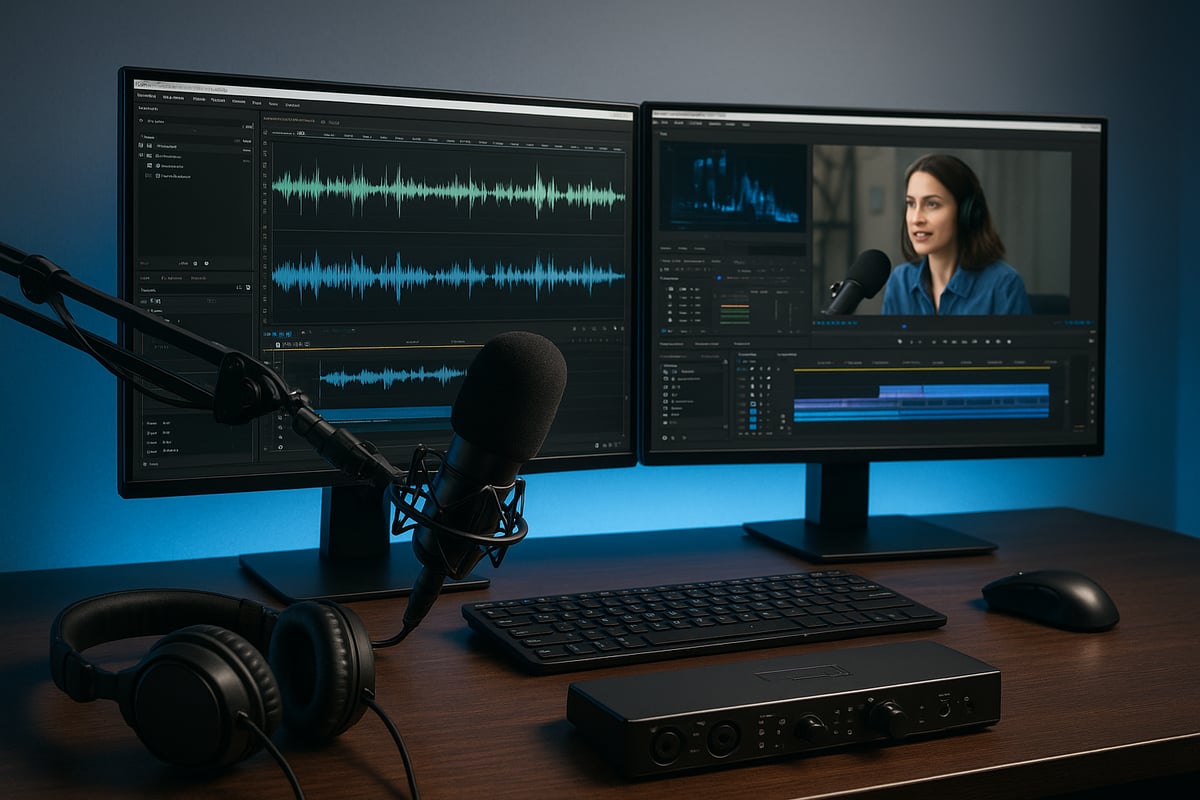
Success in post production podcast work begins long before the record button is pressed. Start with a detailed pre-show strategy, including show structure, guest coordination, and scheduling. This upfront effort sets clear expectations for everyone involved.
Once recording is complete, organize all raw audio and video files meticulously. Use consistent naming conventions and detailed metadata to streamline the workflow. Adopting asset management practices from film and VFX, such as version control and centralized storage, prevents confusion and data loss.
For remote teams, leverage collaborative tools that enable real-time updates and shared access to project files. Examples include Google Drive for storage and Notion for task tracking. This foundational organization ensures a smooth transition to every subsequent post production podcast stage.
2. Audio and Video Editing Essentials
Editing is where the post production podcast transforms from raw to refined. Begin by cleaning up audio tracks: remove background noise, apply EQ to balance frequencies, and use compression for consistent volume. For video podcasts, sync audio and video precisely and edit multi-track sessions for clarity.
Use advanced editing software to cut out mistakes, awkward pauses, and technical glitches. Tools like Adobe Audition or DaVinci Resolve offer powerful features for both audio and video refinement. For more on optimizing your editing workflow and achieving professional sound, explore these podcast sound quality tips.
Modern editing workflows often include batch processing and AI-driven noise reduction, saving time and increasing accuracy. Always tailor edits for the specific platform, considering aspect ratios and transitions for YouTube or social clips.
3. Adding Music, Sound Design, and Effects
Elevate your post production podcast by thoughtfully integrating music and sound effects. Select royalty-free tracks that match your show’s tone, and layer them beneath dialogue for depth. Sound effects can punctuate key moments or create immersive environments in narrative-driven episodes.
Balance is essential. Dialogue should always remain clear and prominent, with music and effects enhancing, not overpowering, the message. Use creative sound design to build atmosphere, evoke emotion, and guide listener focus.
Case studies from leading narrative podcasts show that impactful soundscapes can turn a simple conversation into a cinematic experience. Experiment with reverbs, filters, and dynamic panning to add dimension, but always keep the listener’s experience in mind.
4. Review, Feedback, and Finalization
A rigorous review process is vital for post production podcast excellence. Schedule collaborative review cycles involving hosts, guests, and producers. Use cloud-based tools for sharing drafts and collecting feedback efficiently.
Address notes promptly, focusing on clarity, pacing, and alignment with your brand’s voice. Implement quality control checks to ensure consistency across episodes, including verifying audio levels, transitions, and visual elements.
Create a checklist for final review: confirm all edits are complete, assets are properly placed, and show branding is consistent. This collaborative approach reduces errors and elevates the final product, ensuring your post production podcast meets professional standards.
5. Exporting and Preparing for Distribution
The final stage of the post production podcast workflow is preparing episodes for release. Export audio and video in platform-specific formats, optimizing settings for streaming quality and compatibility. Use high-resolution thumbnails and detailed show notes for each episode.
Add accessible features, such as transcripts and captions, to broaden your audience and comply with accessibility standards. Include multi-language support if your reach is global.
Carefully organize all exported files, metadata, and promotional assets. Schedule distribution across platforms like YouTube, Spotify, and Apple Podcasts. By closing the loop with thorough preparation and accessibility, your post production podcast stands ready for maximum impact and reach.
About Podcast Monkey
Podcast Monkey is a video-first podcast production agency that handles strategy, recording support, editing, YouTube optimization, and repurposed clips for B2B brands. We specialize in turning raw podcast recordings into polished episodes and social content ready for YouTube, podcast platforms, and social media.
To get help with your show, book a free personalized podcast strategy consultation here: https://calendly.com/d/crd7-h33-vmq/personalized-podcast-strategy-consultation
Essential Tools and Software for Podcast Post Production in 2026
Mastering the right tools is at the heart of any post production podcast workflow in 2026. As the industry evolves, creators and teams rely on advanced software to deliver polished, engaging episodes that meet rising audience expectations. Selecting the correct mix of platforms can define your show's quality, efficiency, and reach.
Audio Editing and Enhancement Tools
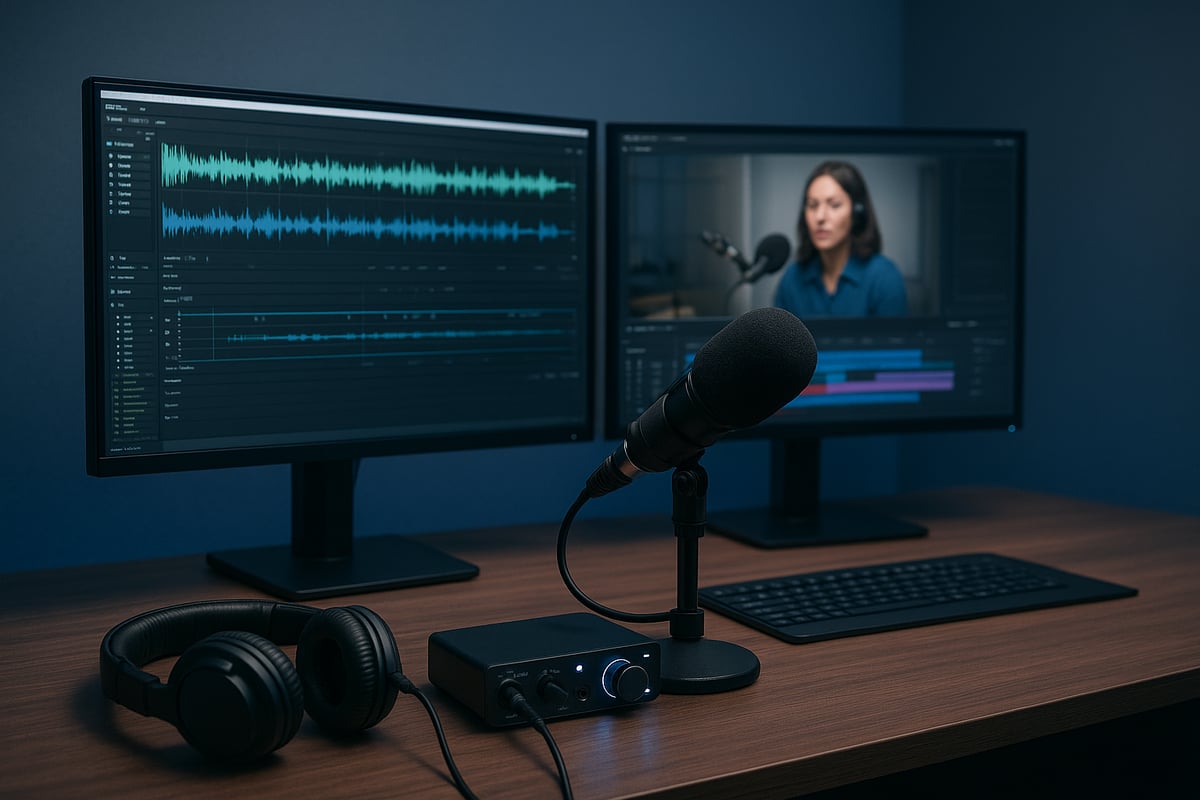
Audio quality is the foundation of every successful post production podcast. In 2026, industry-standard digital audio workstations (DAWs) such as Adobe Audition, Pro Tools, and Reaper remain essential. These platforms provide multitrack editing, precise automation, and advanced mastering features.
AI-powered plugins have revolutionized the process, handling noise reduction, voice isolation, and loudness leveling with minimal manual intervention. For remote teams, cloud-based editing tools offer real-time collaboration and secure access to project files.
To keep your workflow efficient, consider the latest AI solutions. For a look at tools that streamline editing, see the Top 5 AI Tools for Effortless Podcast Editing in 2025. These innovations can save hours and deliver consistently professional results.
Video Editing and Repurposing Platforms
With the surge in video podcasts, robust video editing software is now a must for any post production podcast strategy. Adobe Premiere Pro, Final Cut Pro, and DaVinci Resolve lead the industry, offering seamless integration with audio workflows and powerful color grading.
Creators increasingly use automation tools for batch editing, speeding up the creation of clips and multi-format exports. Platforms dedicated to social media repurposing, like Kapwing and VEED, enable quick adaptation of episodes for reels, shorts, and other visual content.
Short-form video is critical for audience growth. Efficiently editing and repurposing content ensures your post production podcast stands out across platforms and reaches viewers wherever they consume media.
Collaboration, Asset Management, and Security
Efficient collaboration is vital as post production podcast teams grow and operate remotely. Real-time platforms such as Frame io, Descript, and Riverside fm enable seamless feedback, version control, and centralized asset management.
Drawing inspiration from film and TV workflows, asset management solutions allow teams to organize raw files, metadata, and project revisions. Security is equally important. Tools that encrypt files, manage user permissions, and monitor access help prevent leaks and protect your intellectual property.
Organized asset management and strong security practices are essential for any post production podcast seeking to scale operations without sacrificing quality or confidentiality.
Accessibility and Distribution Tools
Accessibility is no longer optional for a leading post production podcast. Automated transcription and captioning platforms ensure your content reaches audiences with diverse needs. Multi-language support tools allow you to localize episodes for global listeners.
Scheduling and publishing platforms streamline cross-platform distribution, supporting major outlets like YouTube, Spotify, Apple Podcasts, and emerging social channels. Consistent metadata, engaging thumbnails, and optimized show notes are all made easier with integrated toolsets.
Investing in these tools ensures your post production podcast is discoverable, inclusive, and positioned for maximum reach in 2026.
About Podcast Monkey
Podcast Monkey is a video-first podcast production agency that handles strategy, recording support, editing, YouTube optimization, and repurposed clips for B2B brands. We specialize in turning raw podcast recordings into polished episodes and social content ready for YouTube, podcast platforms, and social media.
To get help with your show, book a free personalized podcast strategy consultation here: https://calendly.com/d/crd7-h33-vmq/personalized-podcast-strategy-consultation
Expert Tips and Insights from Leading Post Production Podcasts
Podcast creators in 2026 face fierce competition, with audience expectations for post production podcast quality at an all-time high. Learning from seasoned professionals has never been more crucial. Below, we distill expert advice and real-world stories from leaders in the post production podcast space, helping you elevate your episodes and avoid common pitfalls.
Lessons from Industry Professionals
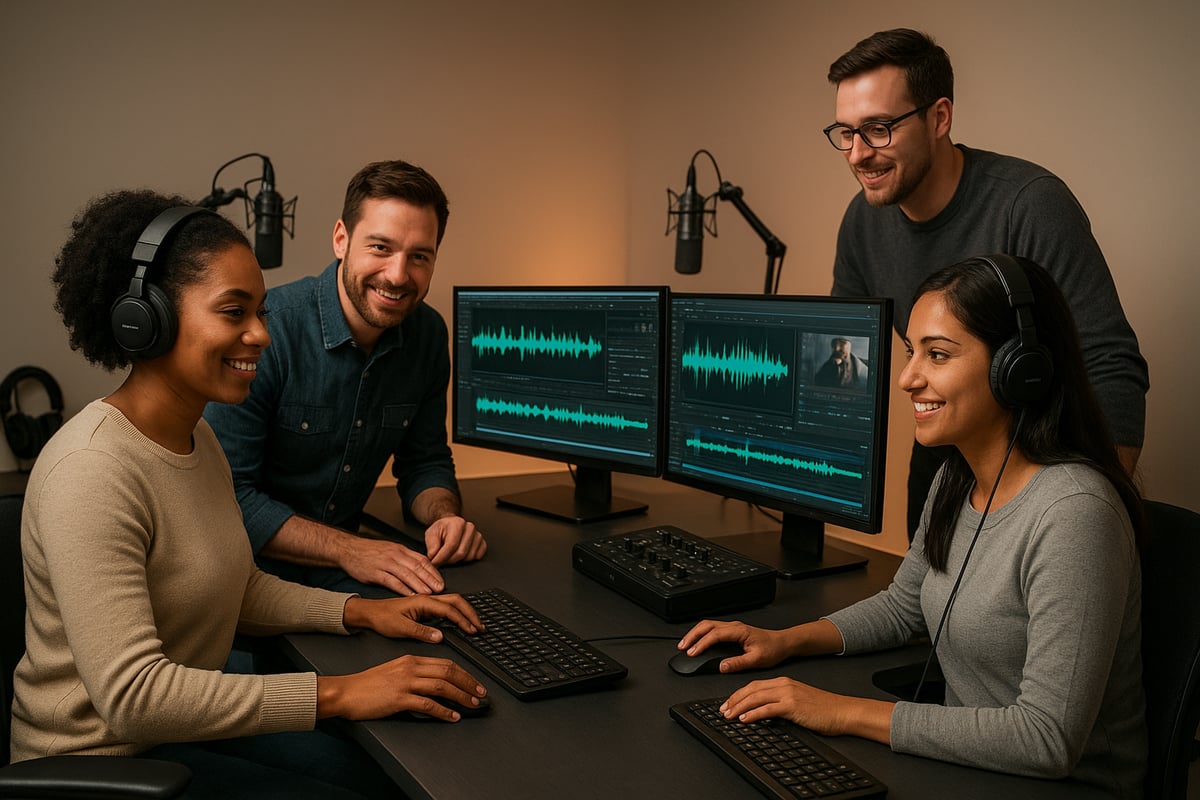
Industry leaders from top post production podcast shows, such as “Post Production Podcast” and “Post Production Club,” agree that mastering the craft requires both creative vision and technical discipline. Their most valuable lessons include:
- Prioritize Pre-Production: Successful post production podcast workflows always begin with meticulous planning. Outline your episode structure, gather assets in advance, and clarify each team member’s responsibilities.
- Embrace Collaboration: Remote and in-person teams benefit from transparent communication. Use cloud-based review tools to share edits and feedback in real time, reducing miscommunication and delays.
- Streamline with Templates: Create reusable editing templates for intro music, transitions, and sound beds. This approach saves hours per episode and ensures consistency across your post production podcast series.
- Leverage Professional Tools: Invest in advanced editing software and AI-powered plugins. These tools automate repetitive tasks, allowing editors to focus on storytelling and sound design.
Mistakes to avoid are equally instructive. Experts warn against over-editing, which can strip personality from your post production podcast. Neglecting accessibility—such as failing to add transcripts or captions—limits your audience reach. Finally, skipping regular software updates can leave your workflow vulnerable to bugs and security risks.
For those seeking to scale quality and efficiency, consider exploring Podcast editing companies overview to evaluate professional services that align with your goals.
Case Studies and Success Stories
The impact of a refined post production podcast process is best seen through real-world success stories. Leading narrative podcasts report significant improvements in listener engagement after adopting advanced editing techniques. For example, one B2B podcast increased its average listen-through rate by 22% after integrating immersive soundscapes and dynamic pacing.
Below is a summary of outcomes from teams that invested in professional post production podcast enhancements:
| Podcast Name | Time Saved per Episode | Listener Growth (%) | Notable Improvement |
|---|---|---|---|
| The Creative Edit | 3 hours | 18 | Higher audience retention |
| Tech Voices Unplugged | 2.5 hours | 25 | Increased social media shares |
| Storyline Sessions | 4 hours | 30 | More positive listener reviews |
In addition, data shows that podcasts with consistent post production podcast quality are more likely to attract sponsors and partnerships. Teams that repurpose content for multiple platforms, using streamlined workflows, see faster audience growth and enhanced brand visibility.
Continual learning is a recurring theme among high-performing teams. Staying updated on new tools, trends, and best practices ensures that your post production podcast remains competitive as the industry evolves.
About Podcast Monkey
Podcast Monkey is a video-first podcast production agency that handles strategy, recording support, editing, YouTube optimization, and repurposed clips for B2B brands. We specialize in turning raw podcast recordings into polished episodes and social content ready for YouTube, podcast platforms, and social media.
To get help with your show, book a free personalized podcast strategy consultation here: https://calendly.com/d/crd7-h33-vmq/personalized-podcast-strategy-consultation
Maximizing Reach: Multi-Platform Distribution and Content Repurposing
Expanding the reach of your post production podcast requires more than outstanding editing. In 2026, successful creators focus on distributing their content across multiple platforms, tailoring each episode to fit unique audience behaviors and preferences. A strategic approach to distribution and repurposing ensures that every episode finds new life, whether as a full-length video, a social media snippet, or a branded highlight.
Publishing on Major Platforms
In the current landscape, a post production podcast must be present on all major platforms to maximize audience exposure. Each channel has its own expectations for format, length, and engagement.
YouTube continues to dominate for video podcasts, requiring higher production values and engaging visuals. Spotify and Apple Podcasts remain essential for traditional audio, but now support video as well. TikTok and Instagram favor short, fast-paced clips that capture attention within seconds.
To streamline video delivery and ensure episodes are optimized for each platform, many creators leverage Video podcast editing services. These services help adapt content for diverse formats, saving time and ensuring professional quality.
Platform-Optimized Content: Video vs. Audio, Long-Form vs. Short-Form
Optimizing each post production podcast for its intended platform is crucial. Long-form video episodes excel on YouTube, where viewers expect in-depth discussions and visual storytelling. For audio-only platforms, focus on sound clarity and pacing to keep listeners engaged.
Short-form content is king on TikTok and Instagram. Repurpose memorable moments or key insights into concise, visually captivating clips. Use subtitles, branded overlays, and vertical video formats to align with platform standards.
Consider using tables to map content types to platforms:
| Platform | Best Format | Ideal Length | Key Features |
|---|---|---|---|
| YouTube | Video (16:9) | 20-60 min | Chapters, graphics |
| Spotify | Audio/Video | 30-60 min | Playlists, video |
| TikTok | Vertical video | 15-60 sec | Captions, quick cuts |
| Reels/Stories | 15-90 sec | Overlays, hashtags |
By tailoring your content, you ensure each post production podcast resonates with its audience.
Consistent Branding and Show Assets
Consistent branding is foundational for building recognition and trust. Every post production podcast should have a visual identity that carries across all platforms, from thumbnails and cover art to intro sequences and lower thirds.
Develop a suite of show assets, including logo animations, color palettes, and fonts. Maintain uniformity in episode titles, descriptions, and metadata. This attention to detail not only strengthens your brand but also improves discoverability on search engines and within platform algorithms.
Quality show notes, compelling thumbnails, and clear calls-to-action further boost engagement. Make accessibility a priority by including transcripts and captions on every episode.
Repurposing Episodes into Reels, Shorts, and Social Snippets
Repurposing is the most efficient way to extend the lifespan of your post production podcast content. Identify high-impact segments, such as expert insights or entertaining moments, and transform them into reels, shorts, or quote graphics.
Automation and AI play a big role in this process, enabling faster editing and content adaptation. For a deeper dive into how AI is shaping podcast repurposing, explore AI-Driven Content Creation and Personalization. These technologies streamline workflows and help target content to specific audience segments.
Regularly schedule these snippets across platforms to maintain visibility and drive traffic back to the full episodes. Effective repurposing maximizes reach, increases engagement, and positions your post production podcast as a leader in the evolving digital landscape.
About Podcast Monkey
Podcast Monkey is a video-first podcast production agency that handles strategy, recording support, editing, YouTube optimization, and repurposed clips for B2B brands. We specialize in turning raw podcast recordings into polished episodes and social content ready for YouTube, podcast platforms, and social media.
To get help with your show, book a free personalized podcast strategy consultation here: https://calendly.com/d/crd7-h33-vmq/personalized-podcast-strategy-consultation
Future-Proofing Your Podcast Post Production Workflow
The podcasting industry is evolving at a rapid pace, and future-proofing your post production podcast workflow is essential for long-term success. By embracing new technologies, building adaptable systems, and fostering a culture of continuous learning, creators can stay ahead of the curve and maintain a competitive edge.
Embracing Innovation and Staying Ahead
To future-proof your post production podcast workflow, it is critical to keep pace with innovation. The integration of AI, automation, and real-time collaboration tools is transforming how podcasts are produced, edited, and distributed. Leveraging these technologies not only boosts efficiency but also allows teams to produce higher quality content with fewer resources.
Staying informed about the latest trends is crucial. For a deeper dive into how AI and cloud-based workflows are shaping the future, explore Live Podcasting in 2026: Top Trends, Tools & Tech. By adopting cutting-edge tools, your post production podcast process will remain adaptive and efficient.
Building Flexible Workflows for Scalability
Flexibility is the cornerstone of a resilient post production podcast workflow. As teams grow and project demands increase, your systems must scale without compromising quality or speed. Modular workflows, cloud storage, and collaborative platforms can help distribute tasks efficiently and accommodate remote contributors.
A flexible approach also requires investing in foundational elements, such as reliable equipment and well-organized asset management. If you are just starting or looking to upgrade, reviewing the equipment to start a podcast ensures your setup can support advanced post production podcast requirements.
Investing in Training and Upskilling
Technology in the post production podcast arena is constantly evolving. Regular training sessions and workshops empower your team to master new tools, software updates, and creative techniques. Upskilling is not a one-time event but an ongoing process that guarantees your workflow remains innovative and competitive.
Encourage team members to pursue certifications or attend industry webinars. This investment pays off in the form of higher productivity and the ability to tackle complex post production podcast challenges with confidence.
Security, Accessibility, and Compliance
As post production podcast workflows become more digital and distributed, security and compliance take center stage. Protecting your content from leaks and cyber threats is non-negotiable. Implement multi-factor authentication, encrypted file sharing, and regular security audits to safeguard your assets.
Accessibility is equally important. Providing transcripts, captions, and multi-language support not only broadens your reach but also keeps your post production podcast aligned with evolving legal requirements and audience expectations.
Community and Networking
Learning from the experiences of peers and industry leaders is invaluable for future-proofing your post production podcast workflow. Engage in online communities, attend podcasting conferences, and participate in collaborative projects to gain new insights and share best practices.
Networking opens doors to partnerships, talent, and innovative solutions. It also fosters a culture of support and growth, ensuring your post production podcast remains at the forefront of the industry.
Systems for Measurement and Improvement
Continuous improvement is the hallmark of a future-proof post production podcast operation. Set up systems to track key metrics such as production time, audience retention, and content quality. Use analytics tools to identify bottlenecks and areas for optimization.
Regularly review your workflow, gather feedback from your team and audience, and adapt processes as needed. This proactive approach ensures your post production podcast remains agile and ready to meet new challenges.
About Podcast Monkey
Podcast Monkey is a video-first podcast production agency that handles strategy, recording support, editing, YouTube optimization, and repurposed clips for B2B brands. We specialize in turning raw podcast recordings into polished episodes and social content ready for YouTube, podcast platforms, and social media.
To get help with your show, book a free personalized podcast strategy consultation here: https://calendly.com/d/crd7-h33-vmq/personalized-podcast-strategy-consultation
If you’re ready to elevate your podcast and put these post production strategies into action, why not take the next step with expert support? At Podcast Monkey, we help creators like you turn raw recordings into standout episodes that captivate audiences across every platform. Whether you want to streamline your workflow, enhance your audio and video quality, or expand your reach, our team is here to guide you. Let’s make your podcast shine in 2026 and beyond—Book A Free Consultation to discuss your goals and get personalized recommendations for your show.