
Top 8 Podcast Equipment List Essentials for 2026

The podcasting landscape in 2026 is more competitive and innovative than ever, making a strong podcast equipment list crucial for anyone aiming to stand out. Whether you are an experienced host or just starting your first show, having the right gear can significantly impact your audio quality and audience engagement.
As listener expectations and content formats evolve, it is essential to stay ahead with tools that match professional standards. In this guide, you will discover the top 8 must-have podcast equipment essentials designed to future-proof your studio and improve every episode.
Read on to find out which equipment, features, and buying tips will help you build a modern, professional podcast setup in 2026.
The Essential Podcast Equipment List for 2026
As we enter 2026, the podcasting world is more crowded and competitive than ever. Having a well-curated podcast equipment list is no longer just for professionals—listeners now expect studio-quality sound and engaging video, regardless of your experience level. With millions of podcasts available, standing out starts with the tools you use.
Technology is rapidly transforming the types of gear you need. The rise of AI-powered editing, remote interviews, and the boom in video podcasts mean your podcast equipment list must adapt to new workflows. Before you buy, consider your budget, room for growth, portability, and how your gear integrates with editing software. Matching your equipment to your podcast's format—whether solo, co-hosted, or narrative—will make a noticeable difference in your content's polish.
Investing in the right podcast equipment list can save hours in post-production and dramatically improve listener retention. For example, the surge in video podcasts on YouTube and social media platforms has made hybrid audio-video gear essential. According to Statista, more than 38% of Americans now listen to podcasts weekly, and video podcast consumption is rising fast. If you are just starting out, check this essential equipment to start a podcast guide for foundational tips.
Below is a snapshot of the top 8 essentials you will need to build a future-ready studio in 2026. Each item on this podcast equipment list plays a critical role in delivering a professional, engaging experience for your audience.
| Essential | Role in Podcasting Ecosystem |
|---|---|
| Microphone | Captures clear, broadcast-quality audio |
| Headphones | Enables accurate monitoring |
| Audio Interface/Mixer | Connects and controls multiple sources |
| DAW Software | Edits and polishes sound |
| Mic Accessories | Reduces noise, improves comfort |
| Acoustic Treatment | Enhances room sound quality |
| Field Recorder | Records on-the-go interviews |
| Camera & Lighting | Powers video podcast production |
No matter your show’s format or size, a thoughtfully chosen podcast equipment list is the foundation for success in the evolving podcast landscape of 2026.
About Podcast Monkey Podcast Monkey is a video-first podcast production agency that handles strategy, recording support, editing, YouTube optimization, and repurposed clips for B2B brands. We specialize in turning raw podcast recordings into polished episodes and social content ready for YouTube, podcast platforms, and social media.
To get help with your show, book a free personalized podcast strategy consultation here: https://calendly.com/d/crd7-h33-vmq/personalized-podcast-strategy-consultation
Top 8 Podcast Equipment List Essentials for 2026
Building a professional podcast in 2026 means making every item on your podcast equipment list count. With the industry more competitive than ever, the right gear can set your show apart and streamline your workflow.
Below, you will find a comprehensive breakdown of the top 8 essentials every podcaster should consider for a future-proof setup. Each item is chosen for its ability to adapt to evolving podcasting trends, from AI-driven production to the rise of video formats.
Choosing the right podcast equipment list is not just about sound quality, but also about efficiency, flexibility, and scalability. Whether you are just starting or looking to upgrade, these essentials will help you maintain a professional edge.
1. Professional Podcast Microphone (XLR & USB Hybrid)
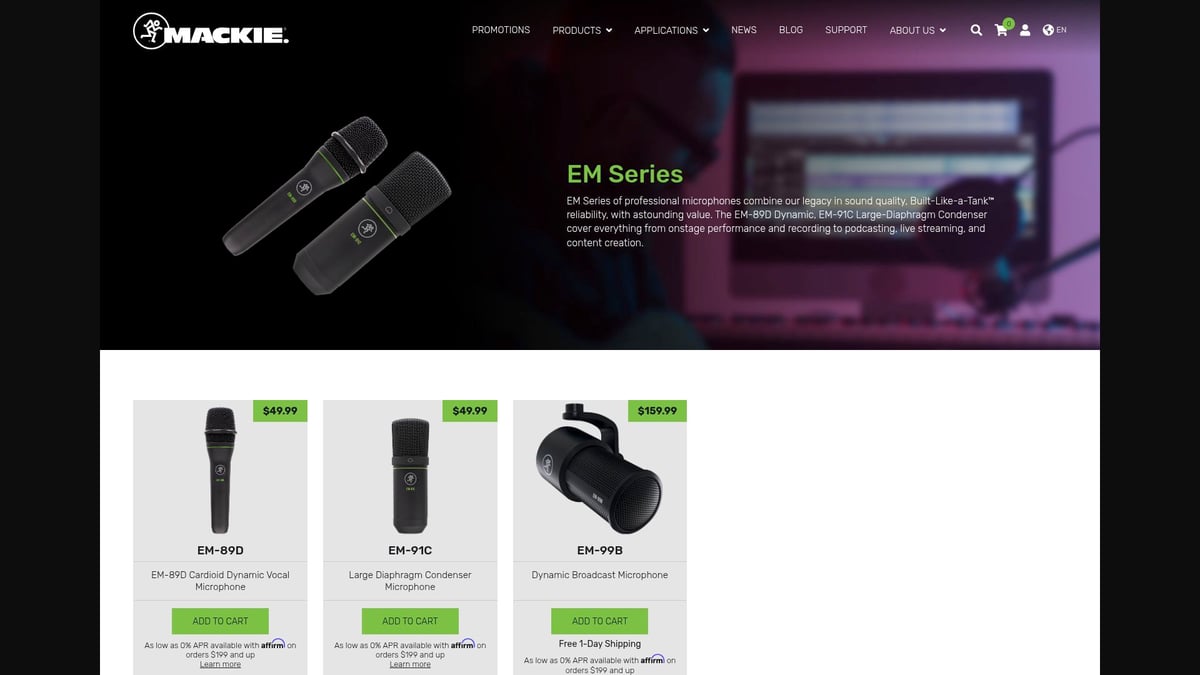
A high-quality microphone is the cornerstone of any podcast equipment list. In 2026, hybrid XLR/USB microphones are the gold standard, combining flexibility with professional-grade sound.
Core Features:
- Dual connectivity (XLR and USB) for easy switching between setups
- Built-in DSP for real-time sound enhancement
- High sensitivity for crisp, clear voice capture
Pricing:
- Entry-level: $100
- Mid-tier: $200–$400
- Pro: $500+
Benefits:
- Superior clarity for solo or group recordings
- Scalable as your podcast grows
- Ideal for both remote and studio environments
Pros:
- Plug-and-play via USB
- Upgradable to XLR for advanced setups
- Strong noise rejection
Cons:
- Hybrids can be more expensive
- Advanced features may require some learning
Example: Mackie EM Series USB/XLR microphones are a popular choice for adaptability.
2026 Insight: Hybrid mics now dominate the podcast equipment list due to their versatility across platforms and workflows.
2. Closed-Back Studio Headphones
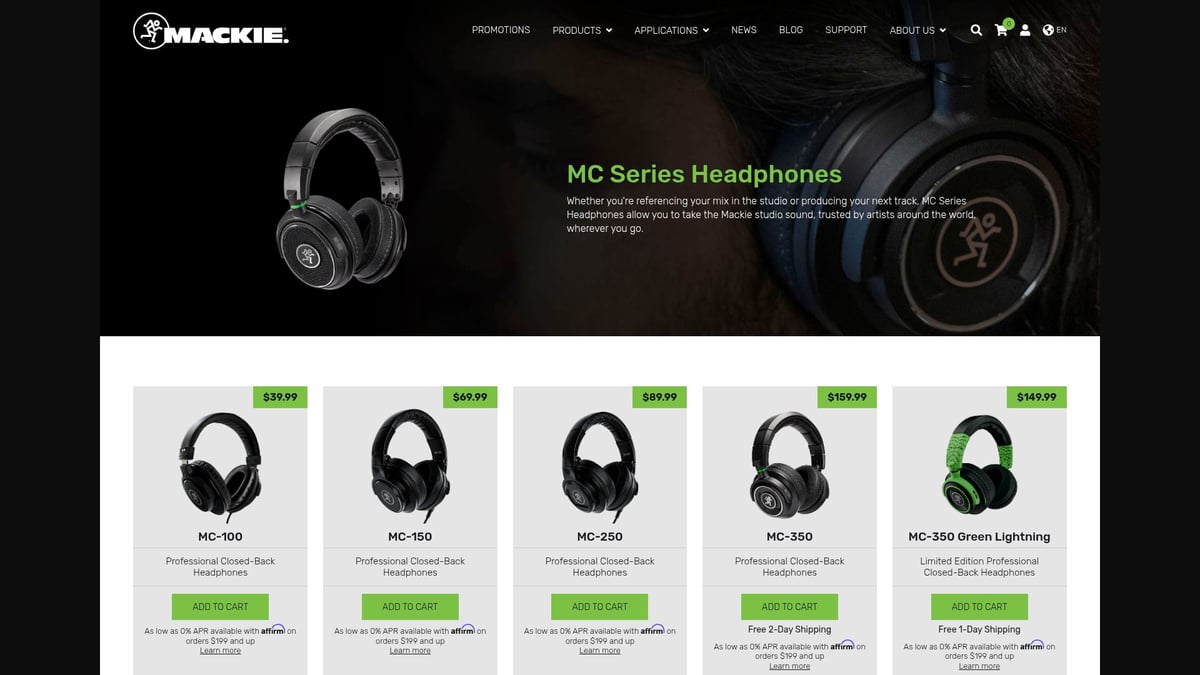
Headphones are often overlooked on a podcast equipment list, but closed-back studio models are vital for accurate monitoring and noise isolation.
Core Features:
- Closed-back design to block external noise
- Wide frequency response for precise audio checks
- Cushioned fit for long sessions
Pricing: $40–$300, depending on features and brand.
Benefits:
- Accurate monitoring prevents audio mistakes
- Noise isolation keeps you focused
- Reduces editing time by catching issues live
Pros:
- Enhanced clarity during recording
- Prevents audio bleed into microphones
- Comfortable for extended use
Cons:
- Poor fit can lead to discomfort
- Some models are less portable
Example: Mackie MC-100 headphones combine comfort and clarity for all podcasting levels.
2026 Trend: Wireless, low-latency headphones are becoming standard for podcasters who record on the move.
3. Audio Interface or Podcast Mixer
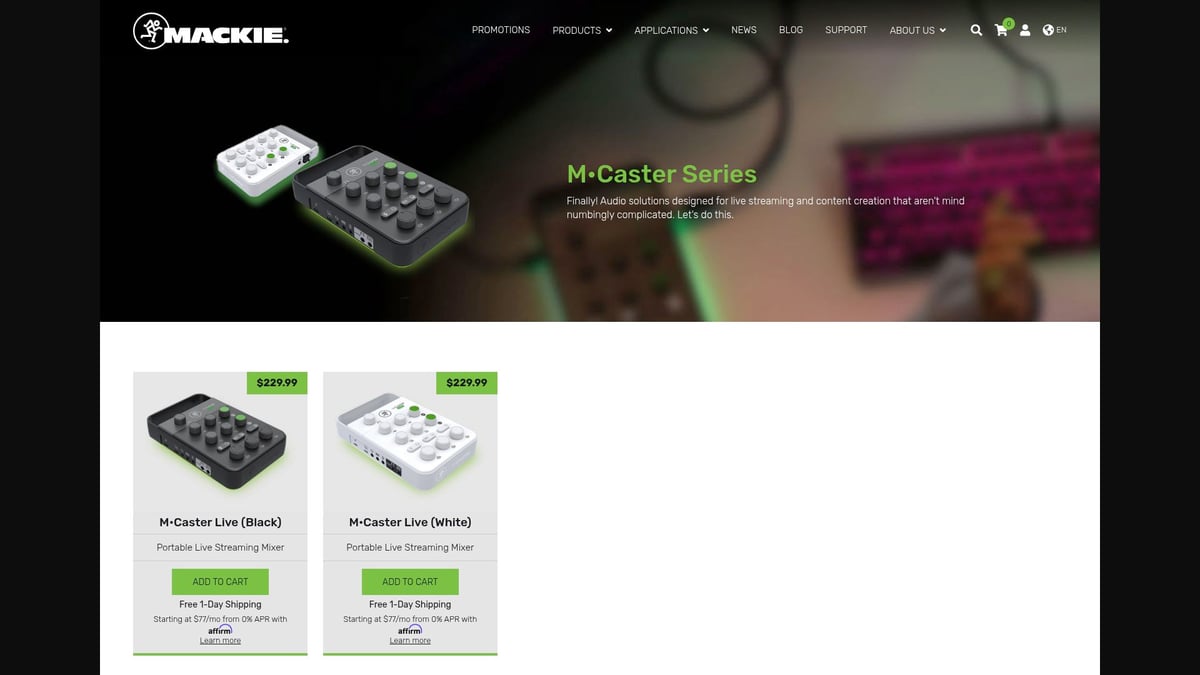
A reliable audio interface or mixer is a must-have on any podcast equipment list, especially as shows become more complex with multiple hosts and guests.
Core Features:
- Multiple XLR/line inputs for versatility
- Built-in preamps and real-time effects
- USB-C connectivity for modern devices
Pricing: $100–$600+, depending on input count and features.
Benefits:
- Professional sound quality
- Real-time mixing and effects
- Supports multi-host and guest setups
Pros:
- Integrates with DAWs for seamless workflow
- Can record directly to SD card or computer
- Versatile for both live and recorded shows
Cons:
- Higher learning curve for beginners
- Advanced models can be costly
Example: Mackie M•Caster Studio stands out for its compact design and robust features.
2026 Update: Look for AI-powered mixers that handle remote guest integration and automatic leveling.
4. Digital Audio Workstation (DAW) Software
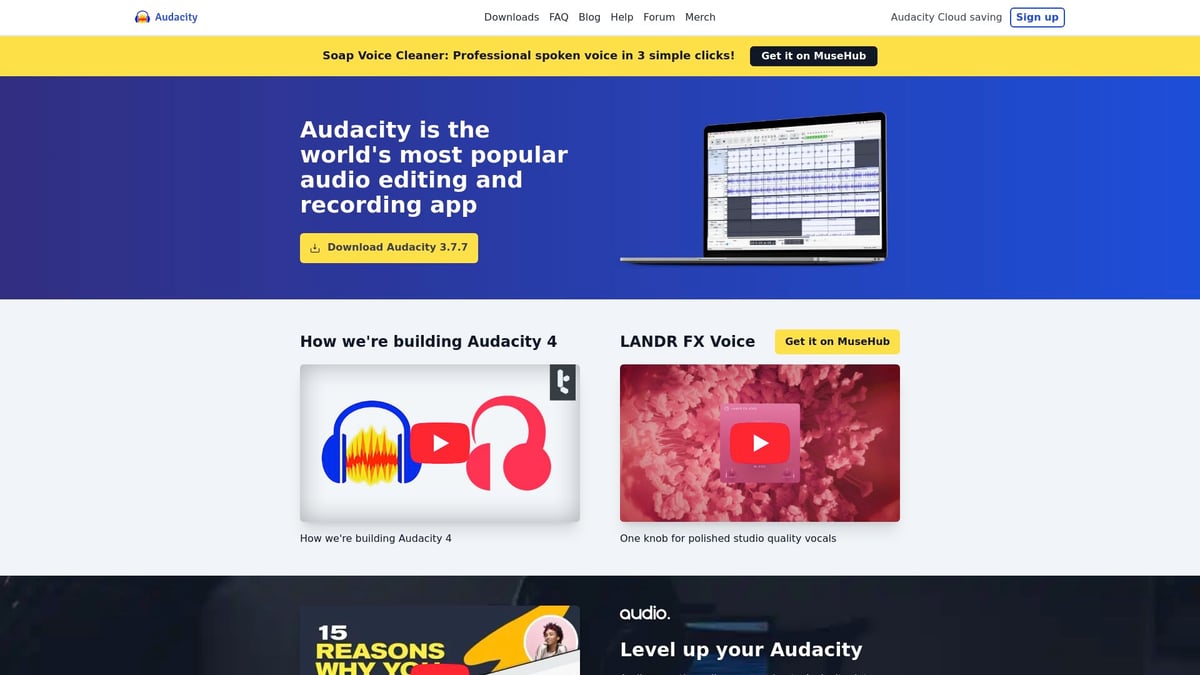
No podcast equipment list is complete without a reliable DAW for editing, mastering, and publishing your episodes.
Core Features:
- Multi-track editing for detailed production
- Built-in effects and plugin support
- Intuitive, user-friendly interfaces
Pricing:
- Free: Audacity, GarageBand
- Premium: $200+ for pro DAWs
Benefits:
- Enables advanced editing and sound design
- Cross-platform compatibility
- Essential for post-production polish
Pros:
- Free options with robust features
- Wide community support
- Powerful editing tools
Cons:
- Steeper learning curves for advanced software
- Some DAWs are OS-specific
Example: Audacity is a free, open-source favorite, while Adobe Audition serves professionals.
2026 Insight: Cloud-based DAWs with built-in AI editing tools are now mainstream, speeding up workflows.
5. [Microphone Accessories: Boom Arm, Pop Filter, Shock Mount]
Accessories are critical on a podcast equipment list for ensuring clean, professional audio and comfortable recording sessions.
Core Features:
- Adjustable boom arms for precise mic placement
- Pop filters to reduce plosives and sibilance
- Shock mounts to absorb vibrations
Pricing:
- Boom arms: $20–$150
- Pop filters: $10–$50
- Shock mounts: $20–$100
Benefits:
- Cleaner recordings with fewer unwanted noises
- Ergonomic comfort for long sessions
- Affordable upgrades with significant impact
Pros:
- Easy to install and adjust
- Improves overall audio quality
- Modular options available
Cons:
- Requires desk or studio space
- Inexpensive models may lack durability
Example: Desk clamp boom arms with integrated cable management are now common.
2026 Trend: Modular, tool-free accessories streamline setup and adjustment.
6. [Acoustic Treatment Solutions]
Acoustic treatment is a crucial part of any modern podcast equipment list, helping you achieve studio-quality sound even in imperfect spaces.
Core Features:
- Acoustic panels and foam tiles
- Portable isolation shields
- DIY solutions using curtains and rugs
Pricing: $50–$500, based on room size and quality.
Benefits:
- Reduces echo and reverb
- Enhances vocal warmth and clarity
- Makes editing easier
Pros:
- DIY options are budget-friendly
- Professional panels yield optimal results
- Portable shields work for mobile setups
Cons:
- Installation can be time-consuming
- Not always portable
Example: Heavy curtains and rugs can serve as effective, low-cost acoustic treatments.
2026 Update: Smart panels now offer adjustable absorption and remote app control.
7. Portable Field Recorder
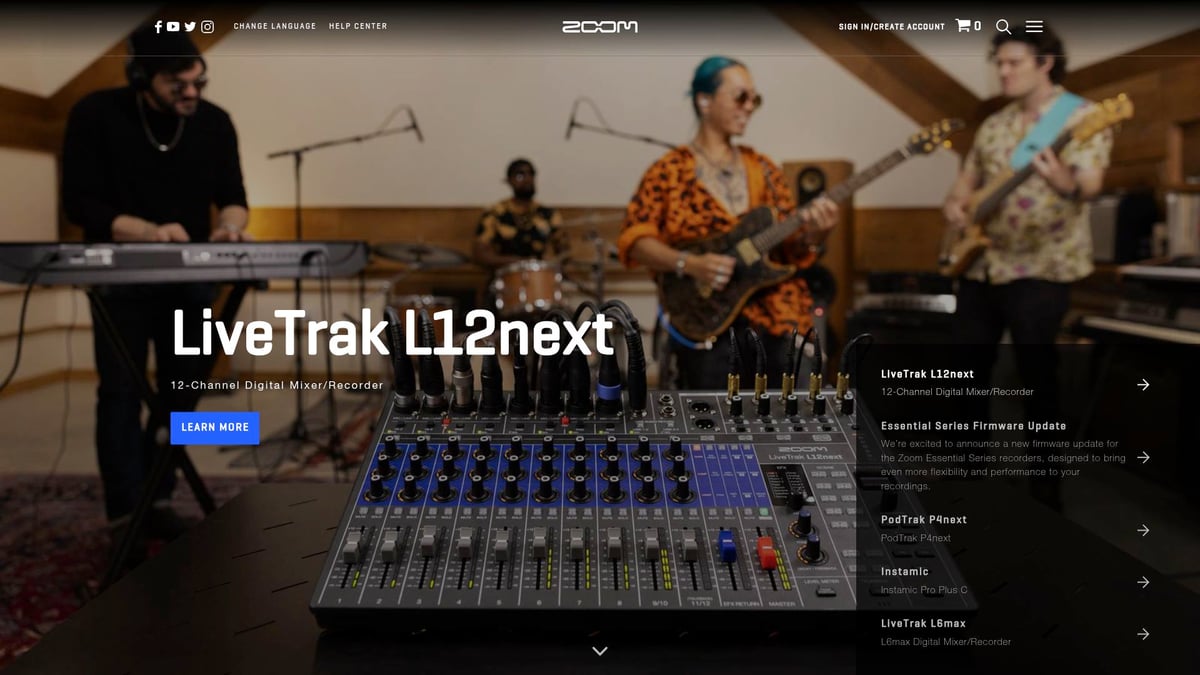
A portable field recorder is essential for any podcast equipment list when recording interviews or content outside the studio.
Core Features:
- Multi-track recording with built-in stereo mics
- XLR/TRS inputs for external microphones
- Battery-powered operation for mobility
Pricing: $100–$400, depending on features.
Benefits:
- High-quality recordings in any location
- Ideal for interviews, events, or outdoor storytelling
- Reliable backup in case of technical issues
Pros:
- Versatile and compact
- Supports multiple input sources
- Easy to operate in the field
Cons:
- Extra gear to carry
- Audio syncing required in post-production
Example: Zoom H4N Pro and Tula Mic are top choices for flexibility and quality.
2026 Insight: Many field recorders now offer integrated WiFi for instant cloud uploads.
8. [HD Camera & Lighting Kit for Video Podcasts]
As video podcasting surges in popularity, an HD camera and lighting kit are now integral to any podcast equipment list that aims for multi-platform reach.
Core Features:
- 4K/HD video capture with autofocus
- Integrated or attachable lighting options
- Adjustable settings for different environments
Pricing:
- Cameras: $200–$1000+
- Lighting kits: $50–$300
Benefits:
- Enables high-quality video podcasting
- Increases discoverability on platforms like YouTube
- Enhances audience engagement
Pros:
- Supports live streaming and on-demand video
- Professional appearance for your show
- Adaptable to different recording spaces
Cons:
- Higher upfront investment
- Requires video editing knowledge
Example: Mirrorless cameras paired with ring lights or softboxes create a broadcast-ready look.
2026 Trend: AI-powered cameras with auto-framing and background blur are redefining video podcasting.
For readers looking for bundled solutions that simplify the process, consider exploring a complete podcast equipment kit overview to find all-in-one options that suit various budgets and formats.
A future-ready podcast equipment list ensures you stay ahead of industry trends, maintain consistent quality, and streamline your workflow as podcasting evolves in 2026.
About Podcast Monkey Podcast Monkey is a video-first podcast production agency that handles strategy, recording support, editing, YouTube optimization, and repurposed clips for B2B brands. We specialize in turning raw podcast recordings into polished episodes and social content ready for YouTube, podcast platforms, and social media.
To get help with your show, book a free personalized podcast strategy consultation here: https://calendly.com/d/crd7-h33-vmq/personalized-podcast-strategy-consultation
Setting Up Your Podcast Recording Space
A professional podcast recording space is the foundation of every high-quality show. Your environment shapes both your sound and your workflow. As the podcast equipment list grows in 2026, having a dedicated, adaptable space ensures your gear performs at its best and your episodes sound consistently polished.
Optimize Your Home Studio
Start by selecting a quiet, low-traffic area of your home or office. Soft furnishings, rugs, and heavy curtains help dampen sound reflections. For more control, add acoustic panels or foam tiles on walls opposite your mic. This setup reduces reverb and echo, making your podcast equipment list work harder for you.
Minimize background noise by turning off appliances and silencing mobile devices. If you record in a shared space, consider portable isolation shields or DIY solutions like thick blankets. Ergonomics matter too. Arrange your chair, desk, and equipment so you can maintain good posture during long sessions.
For a step-by-step guide, explore these podcast studio setup tips to create an effective space for any podcast equipment list.
Equipment Placement and Ergonomics
Proper placement of your podcast equipment list items makes a noticeable difference. Position your microphone about 6 to 12 inches from your mouth and use a pop filter to reduce plosives. Closed-back headphones should fit comfortably, allowing you to monitor sound without audio bleed.
For video podcasts, camera height should be eye-level to create a natural, engaging presence. Use adjustable boom arms for mics and monitor stands for screens to avoid clutter and neck strain. Keep essential gear within easy reach, and use cable clips or ties to prevent tangling and tripping hazards.
A well-organized studio not only speeds up your workflow but also reduces editing time by up to 30 percent. This efficiency allows you to focus on creating great content with your podcast equipment list.
Lighting and Cable Management
Good lighting is crucial for video podcasts. Natural light is best, but supplement with ring lights or softboxes to eliminate shadows and produce even skin tones. Place lights at a 45-degree angle from your face for the most flattering effect.
Cable management is often overlooked but vital for safety and efficiency. Use cable sleeves, under-desk trays, and labeled power strips to keep your podcast equipment list tidy. Avoid overloading outlets and ensure all devices have surge protection. This not only prevents accidents but also protects your investment in premium gear.
A clean, well-lit space keeps your focus on production, not troubleshooting. It also projects professionalism to guests and viewers.
Trends and Closing
In 2026, modular and portable studio kits are reshaping the podcast equipment list for creators in small or shared spaces. These solutions let you set up and break down studios quickly, adapting as your needs change.
Transforming a spare room into a multi-purpose studio is more accessible and effective than ever. By optimizing your space, you maximize the value of your podcast equipment list, boost listener retention, and stay ahead in the evolving podcasting landscape.
About Podcast Monkey Podcast Monkey is a video-first podcast production agency that handles strategy, recording support, editing, YouTube optimization, and repurposed clips for B2B brands. We specialize in turning raw podcast recordings into polished episodes and social content ready for YouTube, podcast platforms, and social media.
To get help with your show, book a free personalized podcast strategy consultation here: https://calendly.com/d/crd7-h33-vmq/personalized-podcast-strategy-consultation
Advanced Tips for Podcast Equipment Maintenance & Upgrades
Keeping your podcast equipment list in top shape is essential for professional results and long-term reliability. Proper maintenance and timely upgrades not only protect your investment but also ensure your show always sounds its best.
Regular Cleaning & Maintenance
Routine cleaning is vital for every podcast equipment list, regardless of your setup’s complexity. Dust and debris can reduce the lifespan of microphones, headphones, and mixers. Always use a soft, dry cloth for surfaces and a gentle air blower for hard-to-reach areas.
- Unplug gear before cleaning
- Store equipment in dust-free cases
- Inspect cables for wear regularly
Consistent care keeps your recordings crisp and minimizes technical issues over time.
Firmware & Software Updates
Modern podcast equipment often relies on firmware and software for peak performance. Check for updates to your audio interface, mixer, and DAW at least once a quarter. Updated firmware can unlock new features, improve stability, and patch security vulnerabilities.
Staying current with software is especially important as podcasting workflows evolve. Many 2026 models now offer app-based updates, making the process faster and more user-friendly. Keeping your podcast equipment list up to date ensures compatibility with the latest plugins and platforms.
Planning for Scalability & Upgrades
As your show grows, your podcast equipment list should adapt to new demands. Consider moving from a USB microphone to a multi-mic XLR interface for better flexibility and sound quality. Assess if your current gear supports additional hosts, remote guests, or video integration.
When planning upgrades, research models that offer modular expansion and long-term support. If you’re transitioning from a basic setup, the Basic podcast equipment guide provides a helpful foundation for understanding what to upgrade next.
Example Upgrade Path Table
| Stage | Equipment Type | Upgrade Benefit |
|---|---|---|
| Beginner | USB Mic | Simple, portable |
| Intermediate | XLR Mic & Mixer | Multi-host, pro sound |
| Advanced | Hybrid/AI Mixer | Automation, remote integration |
Backup Solutions & Troubleshooting
Backing up your files is a non-negotiable part of any podcast equipment list. Use redundant storage methods, such as cloud backups and external drives, to protect your recordings from accidental loss.
- Schedule regular backups after each session
- Use reliable cloud services or RAID storage
- Label and organize files for quick retrieval
Troubleshooting common issues like connectivity drops or audio interference requires a systematic approach. Start with cable checks, then verify device compatibility and firmware status. Keeping a troubleshooting log can help quickly resolve recurring problems.
Keeping Up with Trends
In 2026, podcasting technology moves fast. Subscription-based hardware upgrades and equipment-as-a-service models are becoming more popular, making it easier to keep your podcast equipment list cutting-edge without large upfront costs.
Staying informed about industry shifts helps you anticipate when to upgrade or pivot your setup. For comprehensive insights into how the podcasting world is growing and what trends to watch, review the latest podcasting industry growth and trends.
Regularly revisiting your podcast equipment list and staying ahead of trends ensures your show remains competitive and relevant in an ever-evolving landscape.
About Podcast Monkey Podcast Monkey is a video-first podcast production agency that handles strategy, recording support, editing, YouTube optimization, and repurposed clips for B2B brands. We specialize in turning raw podcast recordings into polished episodes and social content ready for YouTube, podcast platforms, and social media.
To get help with your show, book a free personalized podcast strategy consultation here: https://calendly.com/d/crd7-h33-vmq/personalized-podcast-strategy-consultation
Now that you know the top podcast equipment essentials for 2026 and how crucial the right setup is for standing out in a crowded landscape, you might be wondering how to put it all together or take your show to the next level. Whether you are launching your first episode or looking to streamline production as your audience grows, expert guidance can make all the difference. If you want personalized advice on equipment, production workflow, or maximizing your reach across platforms like YouTube, you can Book A Free Consultation with Podcast Monkey and get actionable tips tailored to your podcast goals.