
Podcast Equipment Kit for 2 Guide: Your Essential 2026 Setup

Ready to start or upgrade your podcast in 2026? With new technology, audience expectations, and more competition than ever, the right podcast equipment kit for 2 can be your path to studio-quality results from home or on the go.
This guide cuts through the noise and confusion, helping you select, assemble, and optimize every piece of essential gear for a two-person podcast setup. Whether you are just launching or looking to elevate your show, you will find advice for every budget and workflow.
Expect in-depth reviews of microphones, audio interfaces, headphones, cameras, lighting, and accessories. Get practical setup steps and pro tips so you can achieve broadcast-level audio and video—no matter your experience level.
Why Your Podcast Equipment Kit for 2 Matters in 2026
Podcasting has evolved rapidly, and the podcast equipment kit for 2 is now essential for anyone serious about creating a standout show. As audiences become more discerning, a professional kit is not just a luxury—it is the foundation for success. Let us explore why an optimized podcast equipment kit for 2 is crucial as we approach 2026.
The Rise of Two-Host Podcasts and Audience Expectations
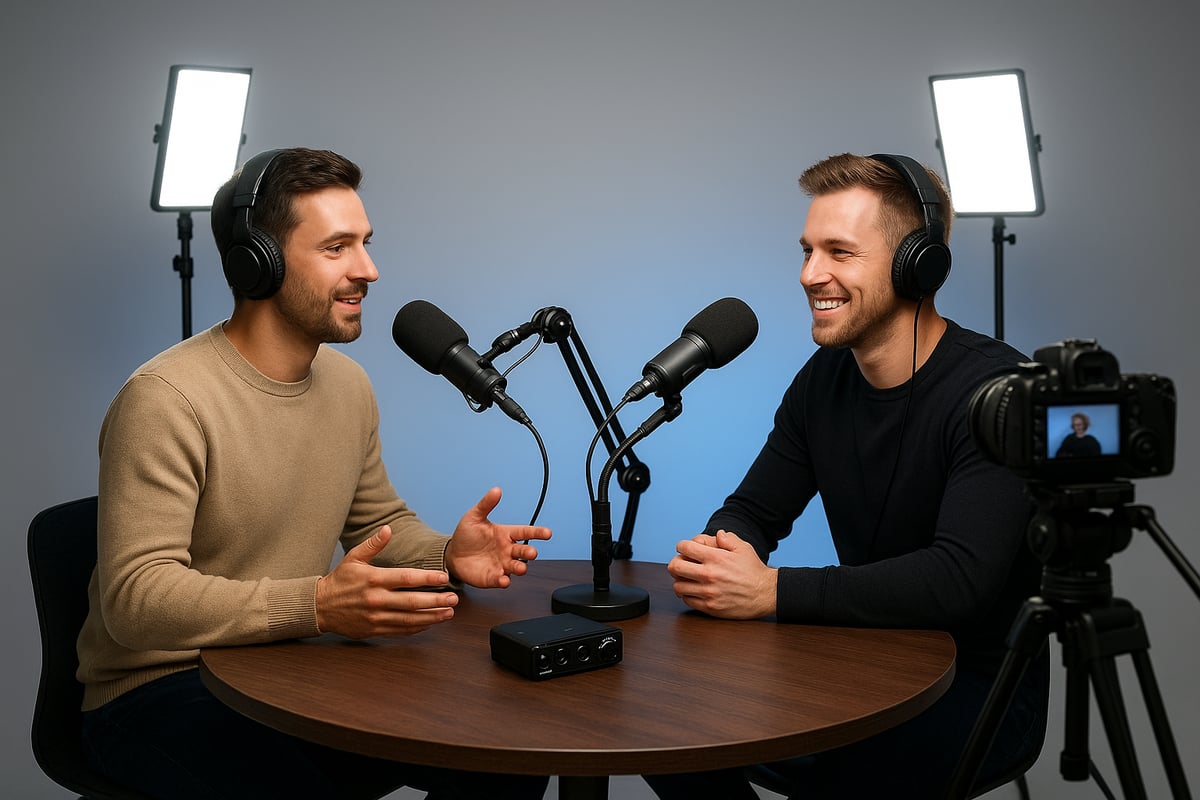
Co-hosted and interview podcasts are surging in popularity, with recent data showing that 58 percent of new shows now feature two voices. Listeners expect the podcast equipment kit for 2 to deliver clear, balanced audio and engaging visuals, even from small teams. Professional setups are no longer exclusive to large studios—anyone can achieve them with the right kit.
A competitive edge comes from offering studio quality, which boosts listener retention and shareability. For instance, podcasts with clear audio are twice as likely to be recommended by listeners. The video podcasting boom is also undeniable, as 70 percent of top-charting podcasts now provide video episodes, pushing visual quality to the forefront.
Benefits of a Dedicated Kit for Two
Investing in a dedicated podcast equipment kit for 2 eliminates technical headaches like echo, crosstalk, and inconsistent levels. With matched gear, production and post-editing become streamlined, saving creators valuable hours per episode. A well chosen kit also ensures scalability, making it easy to add remote guests or expand in the future.
Duo shows with high quality setups grow 30 percent faster than solo podcasts, proving that the right investment pays off. For a comprehensive overview of recommended gear, see this Podcast equipment for two hosts guide.
Common Pain Points Solved by the Right Kit
Many podcasters struggle with audio bleed, latency, and background noise when using mismatched or basic gear. The podcast equipment kit for 2 addresses these pain points by providing components designed to work together seamlessly. This prevents downtime caused by clunky equipment and simplifies the challenge of syncing audio and video for two participants.
For example, one show saw a 40 percent reduction in editing time after upgrading from entry level USB microphones to a matched kit. This kind of improvement boosts productivity and allows creators to focus on content instead of troubleshooting.
Investment vs. Outcome: Why Quality Gear Pays Off
Choosing a quality podcast equipment kit for 2 may require a higher upfront cost, but the return on investment is significant. Entry level kits are affordable, while pro level options offer superior sound and more features. The right kit leads to higher engagement, more sponsorship opportunities, and better reviews.
Podcasts with professional setups see audience growth triple in the first year compared to those using basic equipment. This makes investing in quality gear a smart decision for creators aiming for long term success.
Planning for Future-Proofing and Growth
A modular podcast equipment kit for 2 is a strategic choice for 2026. Modular kits allow for easy upgrades, such as adding guests or enabling video streaming as production needs evolve. New trends like AI powered editing, smart audio interfaces, and wireless technology are shaping the future of podcasting.
Selecting gear that adapts to changing formats ensures your show stays relevant. The podcast equipment kit for 2 should be built with growth in mind, allowing creators to stay ahead of industry trends and audience expectations.
About Podcast Monkey Podcast Monkey is a video-first podcast production agency that handles strategy, recording support, editing, YouTube optimization, and repurposed clips for B2B brands. We specialize in turning raw podcast recordings into polished episodes and social content ready for YouTube, podcast platforms, and social media.
To get help with your show, book a free personalized podcast strategy consultation here: https://calendly.com/d/crd7-h33-vmq/personalized-podcast-strategy-consultation
Essential Microphones for Two-Person Podcasting
Selecting the right microphones is the backbone of any podcast equipment kit for 2. The right choice ensures your voices sound crisp, natural, and balanced, whether you are recording at home or in a professional studio. Let us break down the mic options, accessories, and practical tips you need to achieve professional results in your two-person podcast setup.
Dynamic vs. Condenser Mics: What’s Best for Two Hosts?
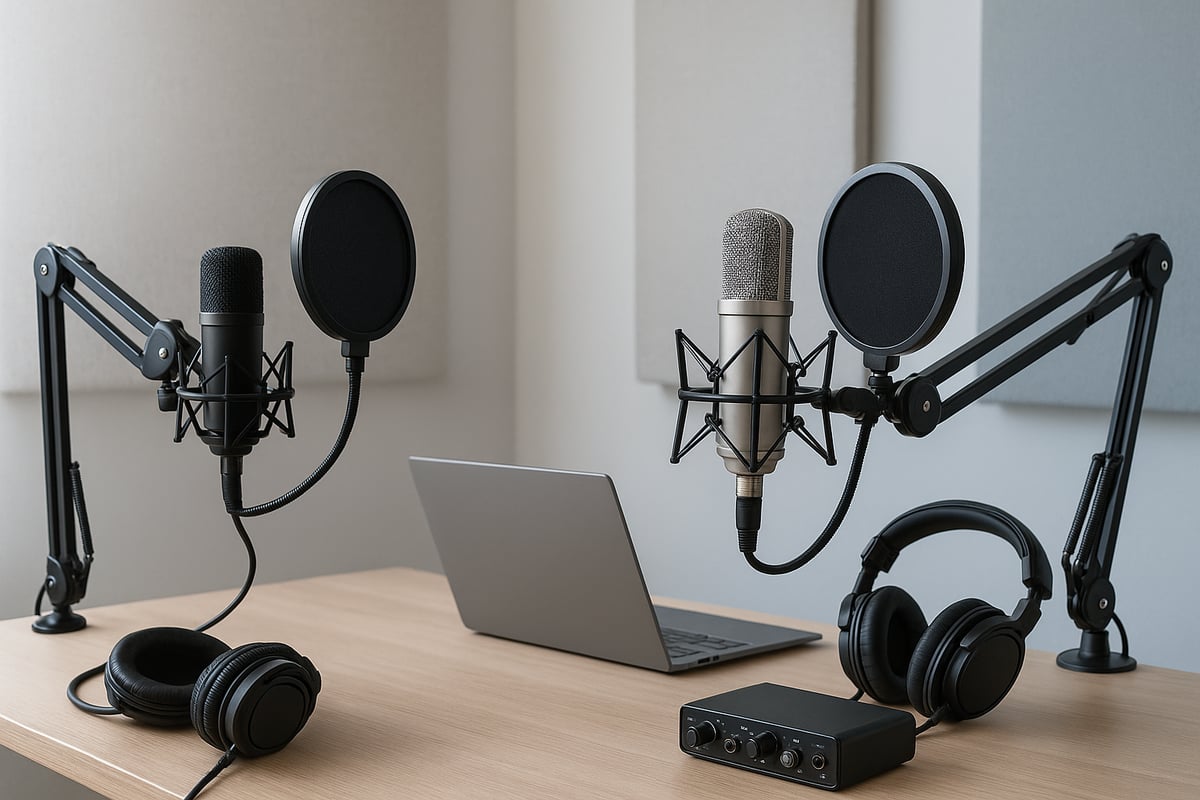
When assembling a podcast equipment kit for 2, your first decision is between dynamic and condenser microphones. Dynamic mics are known for their durability and ability to reject background noise, making them ideal for untreated rooms or lively environments. Condenser microphones, on the other hand, excel at capturing rich, detailed sound but are more sensitive to ambient noise.
Here’s a quick comparison:
| Feature | Dynamic Mic (e.g., Shure SM7B) | Condenser Mic (e.g., Rode NT1-A) |
|---|---|---|
| Sensitivity | Lower | Higher |
| Best For | Untreated rooms, live shows | Treated studios, nuanced vocals |
| Durability | High | Moderate |
| Price Range | $100-$400 | $150-$350 |
For most co-hosted podcasts, dynamic mics reduce the risk of picking up unwanted noise from your podcast equipment kit for 2, but if you have a well-treated space, a condenser can provide that studio shine.
USB vs. XLR Microphones: Pros, Cons, and Recommendations
Choosing between USB and XLR microphones is another key step in building your podcast equipment kit for 2. USB mics are plug-and-play, connecting directly to your computer, which is perfect for beginners or portable setups. However, they often lack the flexibility and upgrade path of XLR mics.
| Feature | USB Microphones | XLR Microphones |
|---|---|---|
| Setup | Simple, direct | Requires audio interface |
| Flexibility | Limited | Highly expandable |
| Sound Quality | Good | Excellent |
| Price Range | $70-$200 | $100-$500+ |
For two hosts, XLR mics offer superior quality and allow both mics to be easily managed through an audio interface, reducing the risk of crosstalk and interference in your podcast equipment kit for 2.
Top Microphone Picks for 2026
A podcast equipment kit for 2 should feature microphones that are reliable, easy to use, and deliver consistent sound. Here are leading options for 2026:
- Shure SM7B (XLR): Industry favorite, smooth sound, built-in pop filter.
- Rode NT1-A (XLR): Exceptionally quiet, detailed audio, ideal for treated rooms.
- Audio-Technica AT2020 (USB/XLR): Flexible, affordable, great entry point.
- Samson Q2U (USB/XLR): Versatile, dual connectivity, strong value.
- Elgato Wave:3 (USB): User-friendly, onboard controls, great for streaming.
Matched pairs of the same model ensure both hosts sound consistent. For a deeper dive, view this Best microphones for podcasting 2026 guide to compare the latest options for your podcast equipment kit for 2.
Accessories: Pop Filters, Boom Arms, Shock Mounts
No podcast equipment kit for 2 is complete without essential accessories. Pop filters reduce plosives, while shock mounts isolate the microphone from desk vibrations. Boom arms allow flexible positioning for ergonomic comfort and a tidy workspace.
- Pop Filters: Prevent harsh 'P' and 'B' sounds.
- Shock Mounts: Minimize handling noise.
- Boom Arms: Free up desk space, allow precise placement.
Using dual boom arms keeps cables organized and ensures both hosts can adjust their mics independently, maximizing the efficiency of your podcast equipment kit for 2.
Placement and Room Considerations
Proper microphone placement is vital for a professional podcast equipment kit for 2. Space mics about 18 inches apart to reduce bleed and maintain clear separation. In small studios, consider using foam panels or portable vocal booths to control echo and background noise.
Table layouts matter too. For face-to-face interviews, position mics so each host is angled slightly off-axis to minimize direct spill. For side-by-side setups, stagger the mics to avoid phase issues. Good room treatment amplifies the quality delivered by your podcast equipment kit for 2.
Troubleshooting Common Microphone Issues
Even with a quality podcast equipment kit for 2, issues like level mismatches, phase problems, or sibilance can arise. To fix level mismatches, check gain settings on your interface. If you notice phase problems, try reversing the polarity on one channel or adjusting mic placement.
For sibilance, use a de-esser plugin during editing. Mic bleed is often solved by adjusting angles or adding physical barriers between hosts. Quick fixes like using software EQ or repositioning mics can solve most problems, ensuring your podcast equipment kit for 2 delivers professional results every time.
About Podcast Monkey Podcast Monkey is a video-first podcast production agency that handles strategy, recording support, editing, YouTube optimization, and repurposed clips for B2B brands. We specialize in turning raw podcast recordings into polished episodes and social content ready for YouTube, podcast platforms, and social media.
To get help with your show, book a free personalized podcast strategy consultation here: https://calendly.com/d/crd7-h33-vmq/personalized-podcast-strategy-consultation
Audio Interfaces, Mixers, and Headphones: Building Your Sound Chain
A professional podcast equipment kit for 2 relies on a seamless sound chain. Every component, from microphones to headphones, needs to work together for clear, balanced audio. Let us break down the essentials so you can build a setup that meets both your quality standards and workflow needs.
Choosing the Right Audio Interface for Two Mics
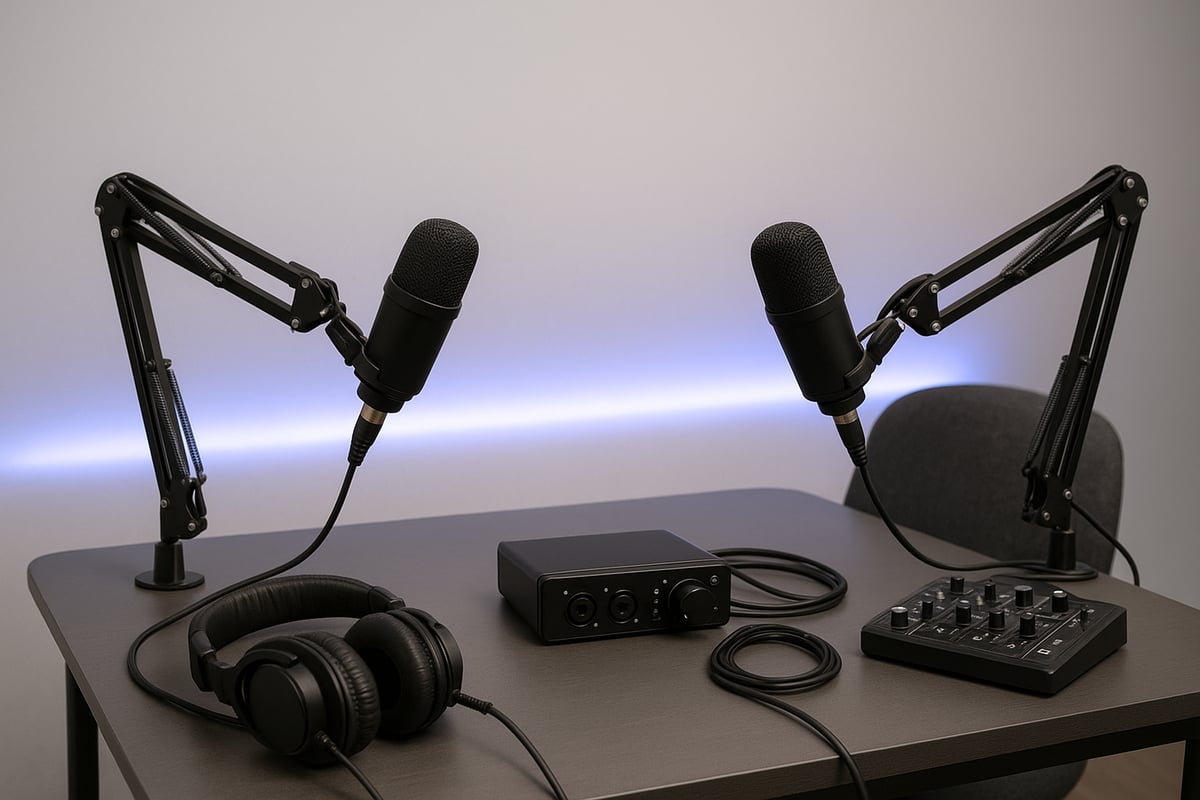
The heart of any podcast equipment kit for 2 is the audio interface. Look for models with at least two XLR inputs, individual gain controls, and phantom power for condenser mics. Latency should be minimal to avoid distracting delays. Popular options like the Focusrite Scarlett 2i2 and PreSonus AudioBox USB 96 are reliable, offering crisp preamps and USB-C connectivity. When evaluating interfaces, also consider bundled software and driver compatibility. For more insights on selecting your first interface and other starting gear, visit the Best podcast equipment for beginners guide.
Audio Mixers: When and Why You Need One
A mixer can greatly expand your podcast equipment kit for 2, especially for live shows or when adding remote guests. While interfaces are perfect for direct recording, mixers allow real-time EQ, sound effects, and multiple audio sources. Compact analog mixers are ideal for small setups, while digital recorders combine mixing and multitrack recording. If you plan to take calls or use music beds, a mixer gives you hands-on control. Many podcasters add a mixer when they outgrow basic two-channel interfaces, ensuring flexibility for future show formats.
Headphones: Monitoring and Communication
Headphones are an essential part of any podcast equipment kit for 2. Closed-back models are preferred, as they prevent sound bleed into microphones. Comfort is critical during long recording sessions, so look for plush ear pads and adjustable headbands. Dual headphone outputs or a headphone amp allow both hosts to monitor the mix without adapters. Top choices in the podcasting world include the Audio-Technica ATH-M50x and Sony MDR-7506. Clear monitoring helps catch issues early, improving communication and overall audio quality.
Cables, Splitters, and Connectivity Essentials
No podcast equipment kit for 2 is complete without the right cables and connectivity solutions. Use balanced XLR cables for microphones to reduce interference and hum. Color-coding cables simplifies troubleshooting and setup. Invest in sturdy splitters if you need to share headphone mixes. Cable management, like using velcro straps and under-desk trays, keeps your workspace organized and reduces trip hazards. Avoid ground loops by using isolated power sources and checking for proper shielding on all cables.
Real-World Sound Chain Examples
A typical podcast equipment kit for 2 signal flow starts with each host's microphone connected to an audio interface or mixer, then routed to headphones and a computer for recording. For example, upgrading from a basic USB interface to a dual-preamp model can streamline workflow and boost sound clarity. Many podcasters report that using matched microphones and quality interfaces reduces editing time and delivers a more cohesive sound. Visualizing your setup helps identify weak points and plan future upgrades.
Troubleshooting Audio Chain Issues
Even with a solid podcast equipment kit for 2, issues can arise. Hum and buzz are often traced to faulty cables or power sources. Latency may result from outdated drivers or high buffer settings. Channel dropout is usually a sign of loose connections or hardware failure. Quick fixes include swapping cables, updating interface firmware, and resetting devices. Regular sound checks and preventive maintenance keep your gear reliable, so you can focus on delivering great content every session.
About Podcast Monkey Podcast Monkey is a video-first podcast production agency that handles strategy, recording support, editing, YouTube optimization, and repurposed clips for B2B brands. We specialize in turning raw podcast recordings into polished episodes and social content ready for YouTube, podcast platforms, and social media.
To get help with your show, book a free personalized podcast strategy consultation here: https://calendly.com/d/crd7-h33-vmq/personalized-podcast-strategy-consultation
Cameras and Video Gear for Two-Person Podcasts
Creating a standout podcast in 2026 means thinking beyond audio. With the podcast equipment kit for 2, integrating the right video gear is now a must for audience engagement and growth. Let us explore how to make your two-person show look as polished as it sounds.
Why Video Matters for Podcasts in 2026
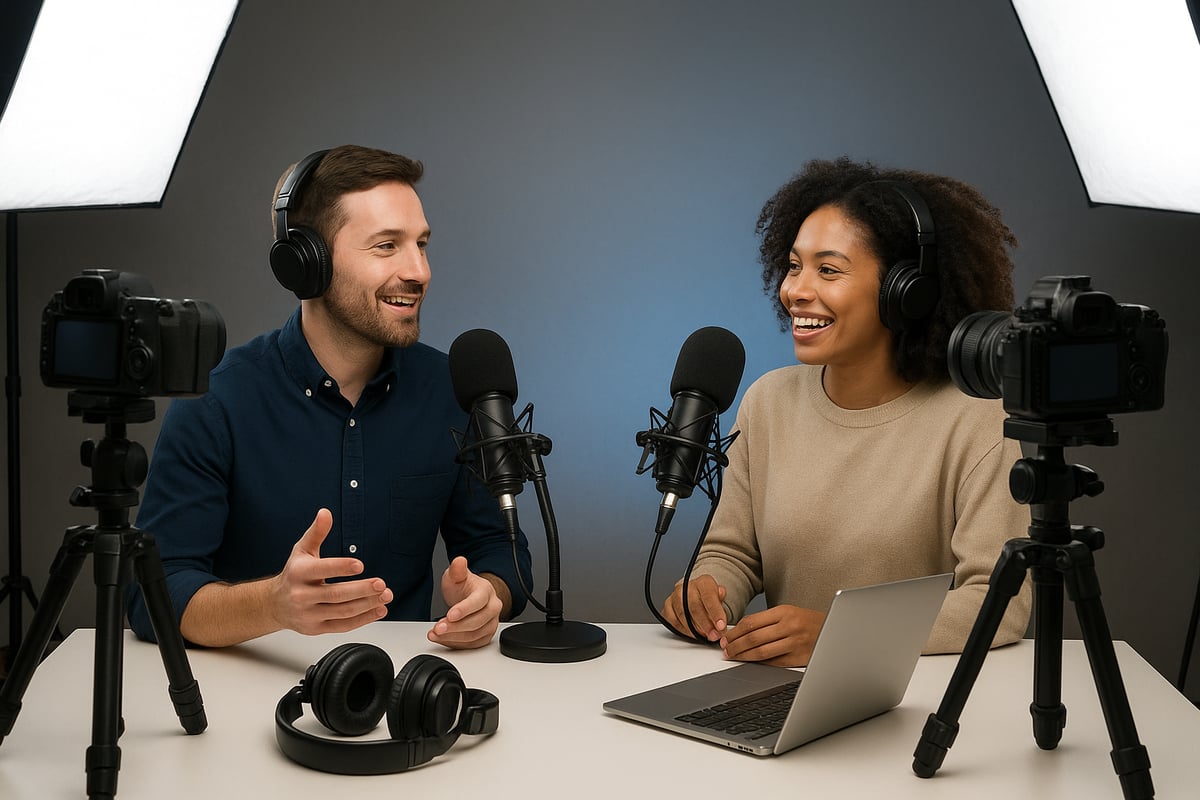
The podcast equipment kit for 2 is no longer just about audio. In 2026, 70 percent of top podcasts offer video, making visual content essential for discoverability. Platforms like YouTube and Spotify now prioritize shows with strong video presence, helping creators reach wider audiences.
Listeners expect engaging visuals alongside crisp audio. Shows that add video components often see their reach double within months. A two-person podcast benefits especially from video, as facial expressions and co-host dynamics drive connection.
Adding video to your podcast equipment kit for 2 is not just a trend, it is a proven strategy for boosting retention, shareability, and audience loyalty.
Camera Options: Webcams, Mirrorless, and All-in-One Solutions
Selecting the right camera is a core part of any podcast equipment kit for 2. There are three main categories to consider:
| Camera Type | Pros | Cons | Price Range |
|---|---|---|---|
| Webcams | Affordable, easy setup, plug-and-play | Limited image quality, fixed lens | $70-$200 |
| Mirrorless/DSLR | Superior image, lens choices | Higher cost, more setup steps | $400-$2000+ |
| All-in-One Stream | Audio/video sync, compact | Less flexibility | $300-$800 |
Webcams are perfect for beginners. Mirrorless and DSLR cameras deliver a cinematic look but require more investment. All-in-one streaming cameras balance convenience and quality, ideal for compact studios.
For an in-depth breakdown of camera choices and video workflow, see Video podcast equipment essentials.
Multi-Cam Setups for Two Hosts
A podcast equipment kit for 2 can truly shine with a multi-cam setup. Using two or more cameras enables dynamic visuals, switching between wide shots and close-ups for each host. This not only increases viewer engagement but also helps highlight reactions and body language.
Switching can be managed through hardware switchers or software like OBS and vMix. Setting up two cameras for face-to-face interviews creates a professional look, mirroring top-tier shows.
Benefits of multi-cam setups include:
- Enhanced storytelling through varied angles
- Smoother edits and transitions
- Greater visual interest for live streams
Essential Camera Accessories
To maximize your podcast equipment kit for 2, invest in durable camera accessories. Reliable tripods or desk mounts ensure steady framing for both hosts. Wide-angle lenses are useful for tight spaces, capturing both co-hosts comfortably.
Consider HDMI capture cards for streaming, allowing you to connect DSLR or mirrorless cameras directly to your computer. Stabilizers help maintain smooth visuals if you are shooting handheld or moving on set.
Other must-haves include:
- Spare batteries and memory cards
- Adjustable mounts for flexible positioning
- Cable management solutions to keep your workspace tidy
Lighting and Backdrop Basics
Lighting can make or break your podcast equipment kit for 2. Softbox and LED panel lights provide even, flattering illumination for both hosts. Ring lights are another budget-friendly option for small spaces.
Backdrop choices matter, too. Green screens offer flexibility for virtual sets, while branded backdrops create a professional, consistent look. Many podcasters find that a simple, uncluttered background with accent lighting works best for two-person shows.
Experiment with light placement to minimize shadows and ensure both hosts look their best on camera.
Video Sync and Recording Tips
Proper video sync is essential for a seamless podcast equipment kit for 2. Always test your audio and video alignment before recording. Use direct-to-computer recording or dedicated hardware to avoid lip-sync issues.
Choose recording formats that balance quality and storage needs, like MP4 or MOV. Organize your files with clear labels for each episode and host.
A quick test run before every session helps spot framing or sync problems early, saving time in post-production.
About Podcast Monkey
Podcast Monkey is a video-first podcast production agency that handles strategy, recording support, editing, YouTube optimization, and repurposed clips for B2B brands. We specialize in turning raw podcast recordings into polished episodes and social content ready for YouTube, podcast platforms, and social media.
To get help with your show, book a free personalized podcast strategy consultation here: https://calendly.com/d/crd7-h33-vmq/personalized-podcast-strategy-consultation
Step-by-Step: Setting Up Your Two-Person Podcast Studio
Launching a podcast studio with the right podcast equipment kit for 2 can feel overwhelming, but a clear, step-by-step approach makes it manageable. Every detail, from room choice to cable routing, impacts your final result. With careful planning and the right workflow, you can create a professional two-person setup that delivers consistently high-quality audio and video.
Planning Your Layout and Workflow
Start by selecting a quiet, acoustically friendly room for your podcast equipment kit for 2. Look for a space with minimal echo, thick curtains, and carpeting if possible. Arrange your table so both hosts can maintain eye contact—this boosts chemistry and conversation flow.
Plan seating to allow for ergonomic mic placement and easy access to controls. Keep cables tidy under the table using clips or sleeves. For more detailed layout guidance, the Setting up a podcast studio guide offers practical tips that apply directly to assembling a podcast equipment kit for 2.
Connecting and Testing Your Equipment
Begin by setting up both microphones on sturdy boom arms or stands. Connect each mic to your audio interface or mixer, then link the interface to your computer with a USB or Thunderbolt cable. Plug in headphones for each host, using a splitter or dedicated headphone outputs.
Next, connect cameras and lighting, confirming power sources and stable mounting. Test each connection individually. Check mic levels, camera angles, and lighting balance before recording. This step ensures your podcast equipment kit for 2 operates smoothly from day one.
Software Setup: Recording, Editing, and Streaming
Choose a reliable digital audio workstation (DAW) for your podcast equipment kit for 2, such as Audacity, Adobe Audition, or Reaper. For video, consider OBS Studio or Riverside.fm for multi-track recording and live streaming.
Set up your DAW with two separate audio tracks, one for each host. Test recording and ensure both mics are captured cleanly. Configure video capture software to recognize both cameras, syncing audio and video sources. This software foundation enables flexibility during both editing and publishing.
Soundcheck and Video Test Run
Before recording a full episode, run a comprehensive soundcheck using your podcast equipment kit for 2. Adjust gain and EQ for each microphone, ensuring levels are balanced and free of distortion. Perform a brief mock conversation, listening for background noise or echo.
For video, check framing, lighting, and focus for both hosts. Record a short test clip, then review playback for sync and clarity. Address any issues immediately to avoid surprises during real sessions.
Recording Your First Episode
With your podcast equipment kit for 2 dialed in, you are ready to record. Communicate clearly with your co-host, using visual cues or hand signals to maintain flow. Always monitor audio live through headphones, and consider running a backup recording on a separate device.
Keep session notes handy for segment transitions. If issues arise, pause and address them on the spot. This proactive approach reduces the need for re-recording and ensures a smoother editing process.
Maintenance and Ongoing Optimization
After each session, clean microphones and headphones to maintain hygiene and performance. Regularly inspect all cables and connections in your podcast equipment kit for 2, replacing any that show wear or damage.
Update firmware for interfaces and software frequently to access new features and bug fixes. Schedule quarterly gear audits, checking for compatibility and reliability. This ongoing care ensures your two-person podcast studio remains ready for any creative challenge.
About Podcast Monkey
Podcast Monkey is a video-first podcast production agency that handles strategy, recording support, editing, YouTube optimization, and repurposed clips for B2B brands. We specialize in turning raw podcast recordings into polished episodes and social content ready for YouTube, podcast platforms, and social media.
To get help with your show, book a free personalized podcast strategy consultation here: https://calendly.com/d/crd7-h33-vmq/personalized-podcast-strategy-consultation
Accessories and Upgrades for a Professional Edge
The difference between a basic and a pro-level podcast equipment kit for 2 often lies in the details. Smart accessory choices and thoughtful upgrades can elevate your studio, improve workflow, and safeguard your recordings against unexpected hiccups.
Must-Have Add-Ons for Two-Person Kits
To maximize the performance of your podcast equipment kit for 2, invest in robust mic stands, adjustable desk arms, shock mounts, and quality pop filters. These essentials reduce unwanted noise and keep your workspace organized. Acoustic panels help tame reflections, while portable vocal booths enhance clarity in untreated rooms. Even small upgrades, like dual boom arms or premium pop filters, can yield professional results on a budget. For the latest recommendations and gear reviews, check out these podcast equipment recommendations for 2026.
Cables, Power, and Backup Solutions
A reliable podcast equipment kit for 2 depends on smart cable management and power solutions. Use color-coded, balanced cables to minimize interference and avoid tangles. Surge protectors and battery backups protect your investment from power surges or outages. For peace of mind, redundant recording—using SD recorders or cloud backups—ensures you never lose an episode. Many podcasters have learned the value of backups after losing hours of recordings to unexpected technical failures.
Mobile and Wireless Podcasting Gear
Flexibility is key for podcasters who record on location or conduct interviews outside the studio. Adding wireless microphones and compact interfaces expands your podcast equipment kit for 2, allowing you to capture high-quality audio from anywhere. Look for kits compatible with smartphones and tablets for seamless mobile recording. The best wireless kits in 2026 offer stable connections and effortless setup, making them ideal for capturing spontaneous conversations and interviews.
Video and Lighting Upgrades
Enhancing your podcast equipment kit for 2 with upgraded video and lighting gear can dramatically improve your show's visual appeal. Consider adding RGB lighting for dynamic backgrounds and mood, or upgrading to 4K cameras for crisp, professional footage. Introducing a third camera enables creative guest segments and multi-angle storytelling. Budget lighting kits, such as LED panels or softboxes, often outperform standard overhead lights, giving your setup a polished, studio-quality look.
Future-Proofing: Modular and Expandable Kits
As your show grows, a modular podcast equipment kit for 2 allows for easy expansion. Look for gear that supports additional hosts, integrates AI-powered editing, or connects wirelessly for flexibility. Swappable components make it simple to scale from a duo to a four-host panel without overhauling your entire setup. Investing in smart, adaptable gear today ensures your podcast can evolve with emerging trends and technology.
About Podcast Monkey
Podcast Monkey is a video-first podcast production agency that handles strategy, recording support, editing, YouTube optimization, and repurposed clips for B2B brands. We specialize in turning raw podcast recordings into polished episodes and social content ready for YouTube, podcast platforms, and social media.
To get help with your show, book a free personalized podcast strategy consultation here: https://calendly.com/d/crd7-h33-vmq/personalized-podcast-strategy-consultation
About Podcast Monkey
Podcast Monkey is your partner in building a standout podcast equipment kit for 2 and producing professional shows. Our team specializes in video-first podcast production, offering strategy, recording support, editing, and YouTube optimization for B2B brands.
We turn raw podcast recordings into polished episodes and social clips, ready to engage audiences on YouTube, podcast platforms, and social media. If you want expert guidance or hands-on help with your podcast equipment kit for 2, book a free personalized podcast strategy consultation here: https://calendly.com/d/crd7-h33-vmq/personalized-podcast-strategy-consultation
Now that you have a clear roadmap for creating a professional two person podcast setup in 2026, you might be wondering how to tie all these pieces together for your unique show. Whether you want to refine your audio chain, streamline video production, or simply need guidance on choosing gear that will grow with your podcast, expert support can make all the difference. If you’re ready to take your podcast from raw recordings to polished, audience ready episodes—without the overwhelm—let’s connect. You can Book A Free Consultation and get personalized advice tailored to your goals and vision.