
Podcast Planner Guide: Master Your Show Strategy in 2026

Podcasting is exploding in popularity, with more creators entering the space than ever before. As we approach 2026, having a clear podcast planner is vital for anyone aiming to build a standout show. This guide will help you master your show strategy, streamline your production, and boost audience engagement.
Discover actionable steps for setting goals, planning content, managing guests, optimizing workflows, promoting episodes, and tracking analytics. If you want to rise above the competition, a podcast planner will be your secret weapon. Get ready to transform your podcasting journey with proven strategies designed for success.
The Importance of Podcast Planning in 2026
Podcasting in 2026 is more dynamic and competitive than ever. The sheer number of new shows launching each month makes it challenging for creators to capture attention and maintain growth. According to Global podcast listener growth, the audience is projected to reach 504 million worldwide, reflecting explosive interest and expanding opportunities. However, this surge brings higher expectations for quality, consistency, and innovation.
Listeners now demand professional audio, engaging storytelling, and a seamless experience across platforms. The shift toward video podcasts and a multi-platform presence is accelerating, as audiences consume content on YouTube, Spotify, and social media. Monetization options are evolving, with sponsors seeking shows that demonstrate reliability and audience loyalty. A podcast planner is no longer optional; it is the foundation for standing out in a crowded market. For example, shows using a podcast planner consistently release polished episodes and grow their reach, while ad-hoc productions often struggle to maintain momentum.
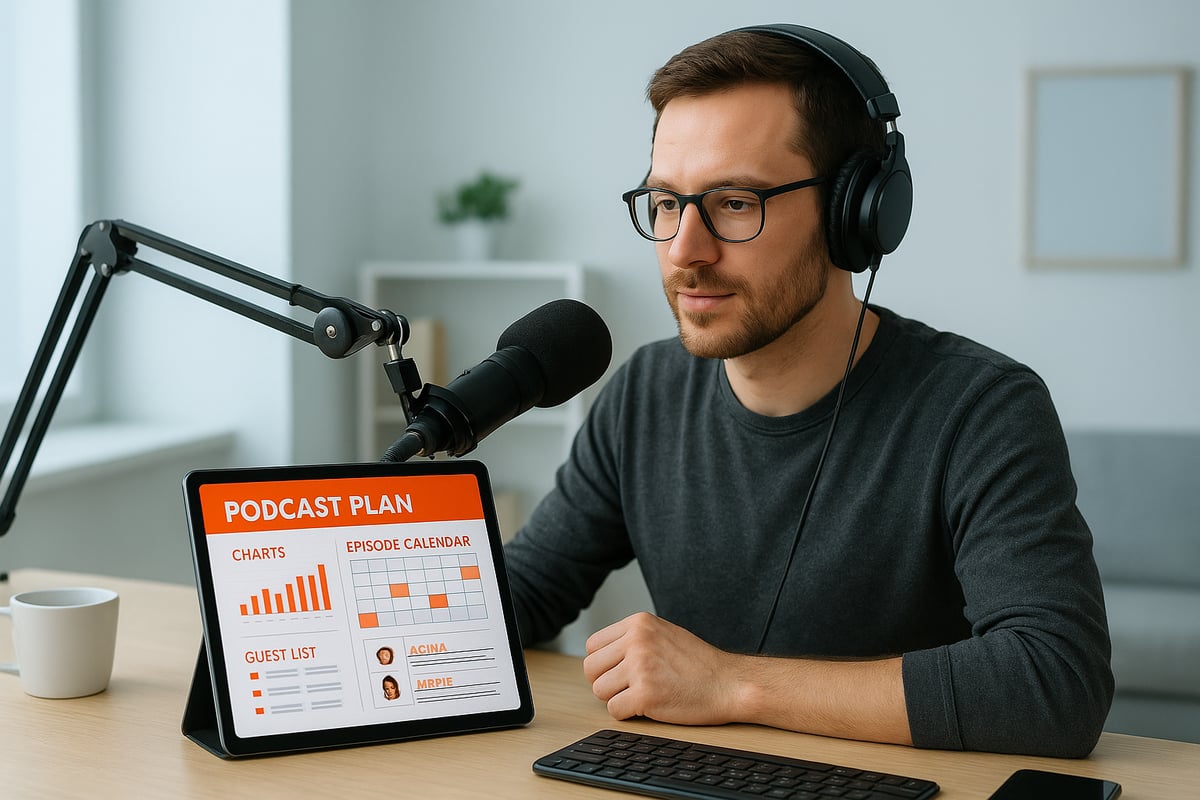
Benefits of a Podcast Planner
A podcast planner delivers vital advantages for creators at every stage. Consistent content scheduling becomes manageable, allowing teams or solo hosts to map out episodes weeks in advance. Collaboration improves as everyone shares access to plans, deadlines, and progress updates. Production bottlenecks decrease, because tasks are clearly assigned and tracked.
With a podcast planner, creators can set measurable goals and monitor audience growth through integrated dashboards. Data from leading competitor planners indicates that planned shows publish episodes 30 percent more frequently and report higher listener engagement. Planners also streamline asset management, helping teams organize scripts, show notes, and promotional materials in one place. These benefits build a strong foundation for sustainable growth and sponsor readiness.
Common Pitfalls Without a Planner
Operating without a podcast planner exposes creators to a range of avoidable challenges. Missed publishing deadlines are common, leading to inconsistent branding and audience confusion. Disorganized guest booking can result in lost opportunities, as promising guests slip through the cracks. Without a clear content direction, shows risk deviating from their niche, causing audience drop-off and reduced loyalty.
Managing multiple platforms and assets without a planner can quickly become overwhelming, especially as teams scale or experiment with new formats. A real-world example is the case of a successful show that suffered podcast burnout after months of last-minute production, missed uploads, and disjointed marketing. This situation is preventable with a structured podcast planner, which supports creators in maintaining both quality and enthusiasm.
About Podcast Monkey Podcast Monkey is a video-first podcast production agency that handles strategy, recording support, editing, YouTube optimization, and repurposed clips for B2B brands. We specialize in turning raw podcast recordings into polished episodes and social content ready for YouTube, podcast platforms, and social media.
To get help with your show, book a free personalized podcast strategy consultation here: https://calendly.com/d/crd7-h33-vmq/personalized-podcast-strategy-consultation
Step 1: Defining Your Podcast Goals and Audience
Launching a successful show in 2026 requires more than just recording episodes. Defining your goals and understanding your audience is the crucial first step in any podcast planner. This foundation keeps your strategy focused, making every decision intentional and aligned with your vision.

Setting Clear Podcast Objectives
Every effective podcast planner begins with well-defined objectives. Consider what you want to accomplish: is your priority growth, monetization, influence, or education? By clarifying your primary goal, you can direct your content and promotional efforts with precision.
Use the SMART framework to shape your objectives:
- Specific: Clearly outline what you aim to achieve.
- Measurable: Attach numbers or milestones, such as "Grow downloads by 30% in Q1 2026."
- Achievable: Set realistic targets based on your resources.
- Relevant: Align goals with your podcast's mission or brand.
- Time-bound: Set deadlines to maintain momentum.
A podcast planner helps map these objectives and align them with your broader business or personal ambitions. Prioritize a mix of short-term wins, like reaching your first 1,000 downloads, and long-term vision, such as establishing industry authority. By integrating these goals into your planner, you set a clear direction for your show and team.
Audience Research and Persona Development
To build a loyal following, a podcast planner must facilitate deep audience understanding. Start by conducting listener surveys and analyzing platform analytics to uncover who tunes in, what they enjoy, and when they listen. Building detailed audience personas is essential—capture demographics, interests, and listening habits to create content that truly resonates.
Consider whether your show will target a niche audience or appeal broadly. Niche shows can foster higher engagement, while broad topics may attract larger numbers. Many competitor planners now include audience profile worksheets, making it easier to track evolving listener preferences.
For more insight, explore Podcast listener demographics to inform your research and persona-building process. This data-driven approach ensures your podcast planner remains a powerful tool for both discovery and growth.
Positioning and Unique Value Proposition
In 2026’s crowded podcasting landscape, a podcast planner must help you stand out. Define what makes your show unique—this could be your expertise, storytelling style, or the specific problems you solve for listeners. Research competitors thoroughly to identify gaps or "white space" in the market.
Craft a compelling show description and a concise elevator pitch. This not only clarifies your vision for yourself but also attracts listeners and potential sponsors. Some planners prompt you to articulate your value proposition directly within their templates, ensuring your differentiation is clear from the outset.
By documenting your unique value in your podcast planner, you reinforce your show’s identity and communicate it consistently across all channels.
Success Metrics and KPIs
Setting measurable success criteria is a hallmark of a strategic podcast planner. Choose KPIs that reflect your goals, such as downloads, engagement rates, listener retention, or revenue. Establish tracking systems early—whether using Google Sheets, Notion, or purpose-built planner templates.
Below is a sample table of podcast KPIs to consider:
| KPI | Description |
|---|---|
| Downloads | Total listens per episode |
| Engagement | Comments, shares, reviews |
| Retention | Average listen duration |
| Revenue | Sponsorships, ads, products |
Regularly review these metrics within your podcast planner to spot trends, celebrate wins, and identify areas for improvement. This ongoing measurement transforms your goals from abstract ambitions into actionable results.
About Podcast Monkey Podcast Monkey is a video-first podcast production agency that handles strategy, recording support, editing, YouTube optimization, and repurposed clips for B2B brands. We specialize in turning raw podcast recordings into polished episodes and social content ready for YouTube, podcast platforms, and social media.
To get help with your show, book a free personalized podcast strategy consultation here: https://calendly.com/d/crd7-h33-vmq/personalized-podcast-strategy-consultation
Step 2: Content Planning—From Concept to Calendar
Strategic content planning is the backbone of every successful podcast planner. Without a clear roadmap, even the most passionate creators can struggle to deliver consistent, engaging episodes that capture and retain their audience. A robust podcast planner ensures every stage, from brainstorming to asset creation, is organized and aligned with your goals.
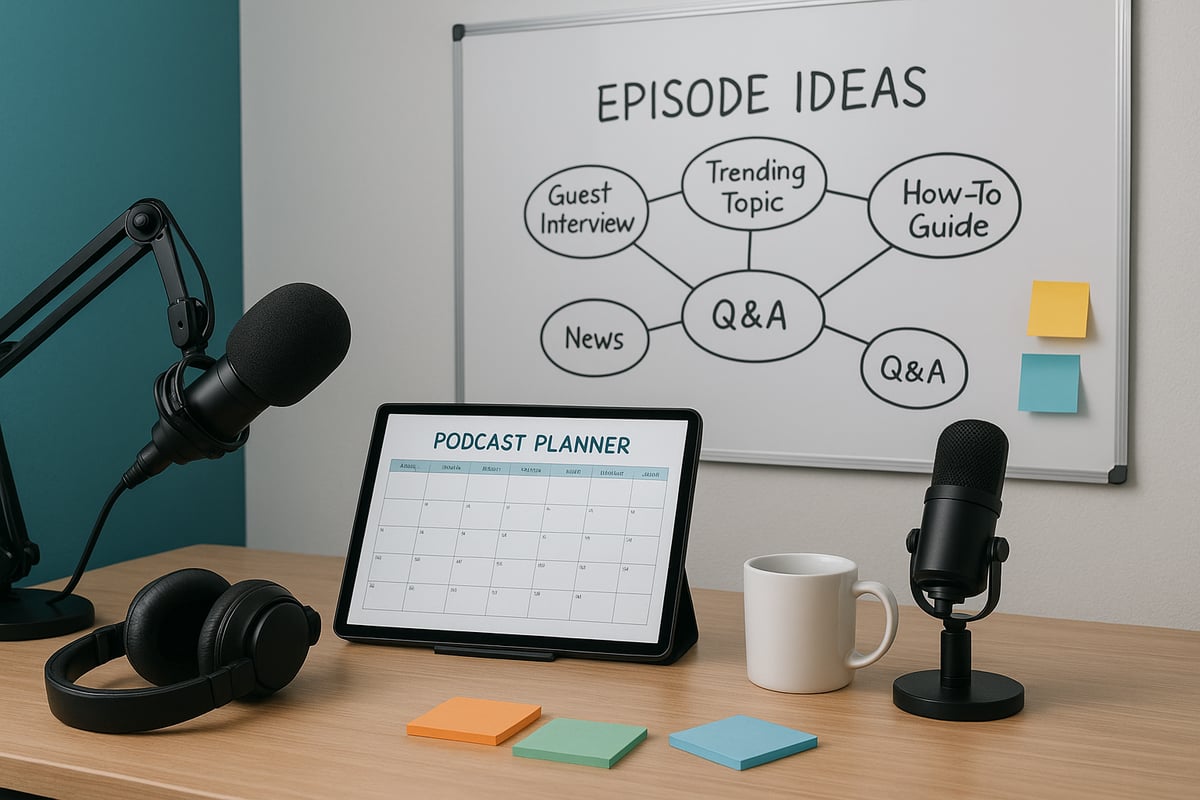
Brainstorming and Episode Ideation
A podcast planner starts with a dedicated space for idea generation. Mind-mapping tools, trend research, and direct audience feedback fuel a steady stream of episode topics. By keeping an ongoing idea bank in your podcast planner, you never face the pressure of last-minute content decisions.
Many planners offer:
- Printable and digital idea sections.
- Prompts for trending topics.
- Spaces for audience question tracking.
With a structured approach, your creativity is captured and organized, ready to be transformed into compelling episodes.
Structuring Your Show and Episodes
Determining your show’s format is crucial in the podcast planner process. Will you focus on interviews, solo commentary, narrative storytelling, panels, or even video podcasts? As video content rises in popularity, integrating a multi-platform strategy has become essential. For step-by-step guidance on launching a video-first show, explore the Launch a YouTube Podcast resource.
Effective planners include:
- Worksheets for segment planning.
- Templates for episode length and recurring features.
- Scripting sections for seamless delivery.
A detailed structure not only shapes listener expectations but also streamlines your production workflow.
Building a Content Calendar
A content calendar is a core feature of any podcast planner. Mapping episodes weeks or months in advance helps you maintain consistency and capitalize on seasonal trends, product launches, or industry events.
Key elements of a strong content calendar:
- Drag and drop episode scheduling.
- Color-coded themes for quick reference.
- Reminders for important dates or deadlines.
| Planner Feature | Benefit |
|---|---|
| Monthly Overview | See big-picture plan |
| Episode Tracker | Monitor production |
| Deadline Alerts | Reduce last-minute rush |
A well-planned calendar keeps your show on track and audience expectations high.
Guest Planning and Outreach
Guest management is simplified with a podcast planner. Identify guests who align with your show’s mission and audience interests, then track every step from initial outreach to post-interview follow-ups.
Look for planner features like:
- Guest tracker templates.
- Outreach script samples.
- Status update columns for each guest.
Organized guest planning prevents missed opportunities and ensures a smooth experience for both you and your interviewees.
Scripting and Show Notes Preparation
Quality scripting and comprehensive show notes are hallmarks of a professional podcast planner. Outlines, full scripts, and detailed notes not only improve your delivery but also support SEO and listener retention.
Planners may provide:
- Built-in show notes templates.
- Key takeaway sections for each episode.
- Pre-publish checklists to ensure accuracy.
With prepared materials, your episodes become more engaging and discoverable.
Visual and Audio Asset Planning
Every podcast planner should include a section for managing visual and audio assets. Scheduling the creation of thumbnails, audiograms, and video clips guarantees your content stands out across platforms. Planning sponsor messages and calls to action in advance also maximizes your show’s monetization potential.
Asset planning tools often feature:
- Checklists for required graphics and audio edits.
- Timelines for asset delivery.
- Spaces for sponsor or promotional integration.
A proactive approach to assets boosts your brand’s visual consistency and promotional reach.
About Podcast Monkey Podcast Monkey is a video-first podcast production agency that handles strategy, recording support, editing, YouTube optimization, and repurposed clips for B2B brands. We specialize in turning raw podcast recordings into polished episodes and social content ready for YouTube, podcast platforms, and social media.
To get help with your show, book a free personalized podcast strategy consultation here: https://calendly.com/d/crd7-h33-vmq/personalized-podcast-strategy-consultation
Step 3: Workflow, Production, and Collaboration Optimization
Efficient podcast production in 2026 hinges on a streamlined workflow. A robust podcast planner is the backbone of this process, helping creators move from idea to published episode with clarity and precision. Let us examine the essential steps to optimize your workflow, foster team collaboration, and ensure consistent quality.
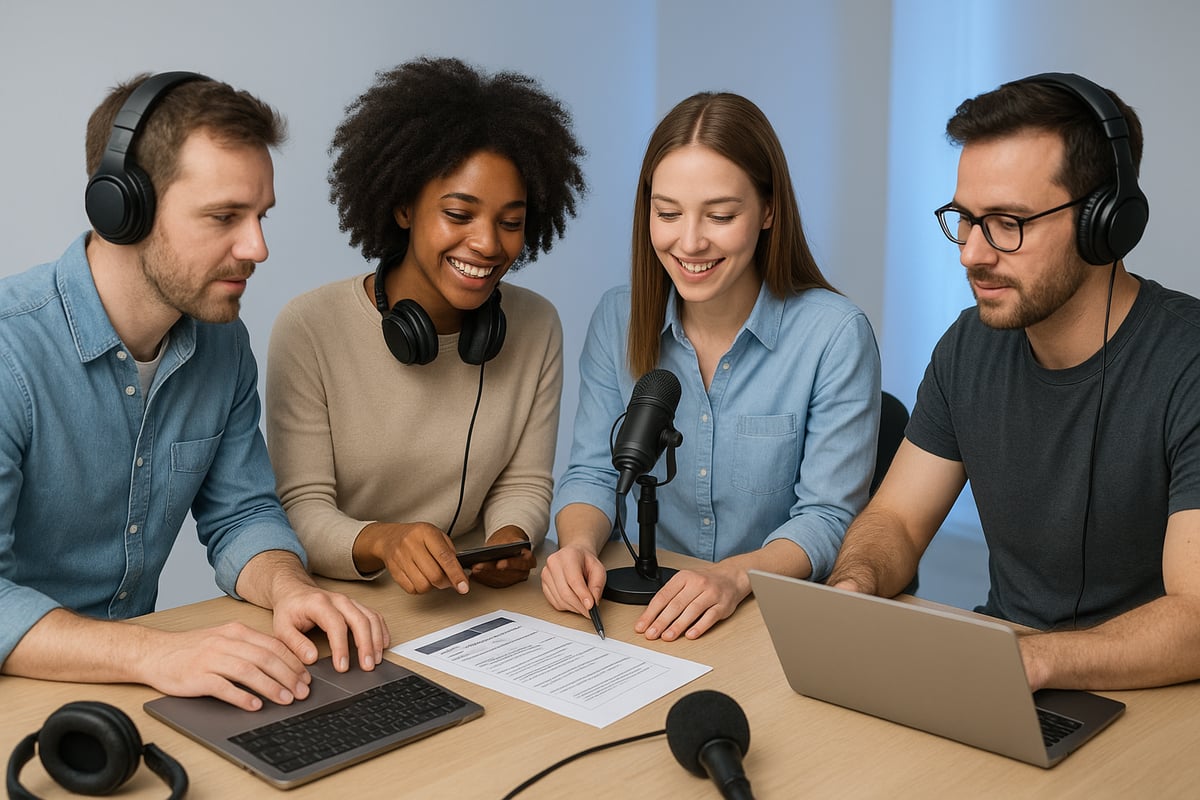
Pre-Production Checklists and Templates
Pre-production is where your podcast planner truly shines. By leveraging detailed checklists, you ensure no critical step is overlooked before hitting record. Standardize equipment setup, double-check software updates, and confirm guest readiness using templates.
- Equipment inventory and testing
- Script and outline finalization
- Guest briefing and schedule confirmation
A podcast planner with pre-production templates saves time, minimizes stress, and guarantees consistency across episodes. This foundation supports a smooth recording day.
Recording Best Practices
Recording is a pivotal moment in the podcast workflow. A well-organized podcast planner prepares you for both remote and in-person sessions. Note technical requirements, backup solutions, and troubleshooting steps in your planner to handle unexpected issues.
- Choose optimal locations and test acoustics
- Prepare backup recording devices
- Log session notes and technical settings
Comprehensive planning reduces errors and provides a reference for future improvements, making each session more efficient and professional.
Post-Production Workflow
Post-production is where raw recordings transform into polished episodes. A podcast planner streamlines editing, show notes, and publishing tasks, assigning responsibilities and tracking progress.
- Editing audio and video for clarity and flow
- Creating show notes and episode summaries
- Scheduling publishing and promotional assets
When considering editing support, consult resources like the Podcast Editing Companies Guide to evaluate outsourcing options and maintain high production standards. Integrating these steps into your podcast planner reduces bottlenecks and enhances consistency.
Podcast Monkey: End-to-End Podcast Production Support
Podcast Monkey provides a dedicated team for editing, video production, and publishing. Their experts streamline every step from raw audio or video to polished episodes, enabling hands-off workflows so creators focus on content. With multi-platform publishing, social content creation, and analytics, Podcast Monkey empowers creators to scale operations and boost engagement. Case studies reveal significant audience growth and improved workflow for clients, making them a trusted partner for podcast planner optimization.
Collaboration and Team Management
Effective collaboration is vital for podcasts with multiple contributors. A digital podcast planner assigns roles for co-hosts, editors, marketers, and designers. Use shared tools like Google Sheets or Notion to coordinate schedules and track responsibilities.
- Assign and track team tasks
- Share episode calendars and deadlines
- Monitor communication and feedback
Centralized planning fosters accountability and ensures everyone stays aligned, reducing miscommunication and missed deadlines.
Automation and Integration
Modern podcast planner solutions allow you to automate routine tasks. Schedule episode releases, automate file transfers, and set reminders for critical deadlines. Integrate your planner with calendar apps, cloud storage, or tools like Zapier for seamless workflow management.
Automation minimizes manual work, freeing up time for creative and strategic efforts. It also reduces the risk of human error throughout the production cycle.
Quality Control and Review
Quality assurance is essential to maintain listener trust and uphold your brand. Schedule regular reviews in your podcast planner for audio, video, and content accuracy. Use checklists to verify branding consistency, technical quality, and episode completeness.
- Review audio and video files before publishing
- Check show notes and metadata accuracy
- Maintain a log of improvements and listener feedback
A disciplined approach to quality control ensures your podcast delivers a reliable, professional experience every episode.
About Podcast Monkey Podcast Monkey is a video-first podcast production agency that handles strategy, recording support, editing, YouTube optimization, and repurposed clips for B2B brands. We specialize in turning raw podcast recordings into polished episodes and social content ready for YouTube, podcast platforms, and social media.
To get help with your show, book a free personalized podcast strategy consultation here: https://calendly.com/d/crd7-h33-vmq/personalized-podcast-strategy-consultation
Step 4: Promotion, Distribution, and Audience Growth
Effectively promoting your show is just as important as producing it. In 2026, a podcast planner serves as your roadmap to reach new listeners and deepen connections with your current audience. By structuring your growth strategy across platforms and channels, you ensure your episodes are heard, shared, and remembered.
Multi-Platform Distribution Planning
A robust podcast planner helps you map out episode releases across all major podcast directories, YouTube, and emerging platforms. This ensures each episode reaches your audience wherever they listen or watch.
Begin by listing every platform you intend to target. Consider Apple Podcasts, Spotify, YouTube, Amazon Music, and niche directories. For video podcasts, prioritize YouTube and optimize your uploads for discoverability. A distribution checklist within your podcast planner keeps you consistent and timely.
Modern planners include drag-and-drop calendars and reminders for each platform's requirements. For actionable strategies to maximize audience growth across YouTube and beyond, explore the YouTube Podcast Growth Playbook.
Social Media Content Strategy
Social platforms are essential for amplifying your episodes and engaging with listeners in real time. Your podcast planner should outline a content strategy for each channel, specifying post types, formats, and publishing schedules.
Repurpose each episode into audiograms, reels, or quote graphics tailored for Instagram, LinkedIn, or TikTok. Use your planner to schedule teaser campaigns, track engagement, and document best-performing content.
A well-structured planner also helps you monitor trends and align your messaging with audience interests, ensuring your podcast maintains a dynamic presence across social networks.
Email Marketing and Community Building
Email remains a powerful tool for building direct relationships with your audience. Use your podcast planner to design a newsletter schedule, integrating episode updates, exclusive content, and listener surveys.
Segment your email lists to tailor messages for superfans, new subscribers, or inactive listeners. Planners often include templates for email sequences and prompts for community engagement, such as Q&A calls or listener spotlights.
Tracking open rates and click-throughs in your planner allows you to refine your approach and maximize the impact of each campaign.
Partnerships, Cross-Promotion, and Guest Leverage
Strategic partnerships can rapidly expand your reach. Use your podcast planner to coordinate guest appearances, cross-promotions with other shows, and influencer collaborations.
Log guest contact details, outreach status, and post-episode follow-up tasks. Plan cross-promotions around key launches or milestones, and track new listener acquisition to measure ROI.
A detailed planner ensures you never miss an opportunity to leverage your network, turning collaborations into meaningful audience growth.
Paid Promotion and Advertising
Investing in paid promotion can accelerate your podcast's visibility. Your podcast planner should allocate budget for ads on social platforms, podcast apps, or Google, and track their performance.
Plan campaigns around new season launches or milestone episodes. Use your planner to document ad creatives, monitor spend, and assess which channels deliver the best results.
Effective planners offer sheets or dashboards for tracking ad ROI, allowing you to optimize future campaigns based on clear data.
Audience Engagement and Retention Tactics
Retaining listeners is crucial for sustainable growth. A podcast planner helps you schedule interactive segments like listener call-ins, Q&As, or polls.
Track engagement metrics within your planner to identify which tactics boost retention and foster loyalty. Use templates to log listener feedback and adjust your strategy accordingly.
Consistent engagement, guided by your podcast planner, transforms passive listeners into active community members and brand advocates.
About Podcast Monkey Podcast Monkey is a video-first podcast production agency that handles strategy, recording support, editing, YouTube optimization, and repurposed clips for B2B brands. We specialize in turning raw podcast recordings into polished episodes and social content ready for YouTube, podcast platforms, and social media.
To get help with your show, book a free personalized podcast strategy consultation here: https://calendly.com/d/crd7-h33-vmq/personalized-podcast-strategy-consultation
Step 5: Tracking Analytics, Monetization, and Continuous Improvement
Tracking performance, monetization, and continuous growth are the backbone of any successful podcast planner strategy in 2026. In this step, you will learn how to harness analytics, optimize your revenue streams, and keep your show evolving in a competitive landscape.
Setting Up Analytics and Reporting
To get the most from your podcast planner, you must embed analytics and reporting into your workflow from day one. Modern planners integrate seamlessly with platforms like Spotify, Apple Podcasts, and YouTube, providing real-time data on downloads, watch time, and engagement.
Use your podcast planner to schedule regular reviews of these metrics. Create dashboards or tables to summarize key trends. This ensures you are not just collecting data but translating it into actionable insights. By tracking performance, you can pinpoint which episodes resonate most and where improvements are needed.
Sample KPI Table:
| Metric | Target | Actual | Status |
|---|---|---|---|
| Downloads | 5,000/mo | 4,800/mo | On Track |
| Retention Rate | 70% | 65% | Improve |
| Avg. Listen | 35 min | 37 min | Exceed |
Integrate your podcast planner with reporting tools to automate this process as much as possible, freeing up time for creative work.
Monetization Planning
A robust podcast planner is essential for tracking and maximizing your revenue streams. As the industry matures, monetization options expand beyond sponsorships to include premium content, memberships, and merchandise.
Start by using your podcast planner to identify and log potential sponsors, affiliate partners, and advertisers. Track outreach and follow-up dates, and record campaign results for each partnership. Leverage built-in worksheets to plan and monitor your income sources.
Stay ahead by reviewing Podcast monetization trends, which highlight new revenue models and industry benchmarks for 2026. This insight helps you set realistic, data-backed targets for your show’s financial growth.
By centralizing all monetization efforts in your podcast planner, you can see what works, adjust strategies, and ensure no opportunities slip through the cracks.
Feedback Collection and Iteration
Feedback is the compass that guides your podcast planner from good to great. Make it routine to gather listener input through surveys, social media, and reviews. Schedule feedback collection in your planner and use templates to log responses and suggestions.
Organize results by themes—audio quality, guest selection, topic relevance—and prioritize changes that align with your strategic goals. Iteration is much easier when your podcast planner tracks improvements and their impact over time.
Set review cycles, such as quarterly or after major milestones. This continuous loop ensures your content remains fresh and your audience feels heard.
Content and Strategy Optimization
A data-driven podcast planner enables you to refine your content and strategy with precision. Analyze which episodes drive the most downloads, engagement, and shares. Use A/B testing logs to experiment with new formats, topics, or release schedules.
Your podcast planner should include sections for noting what worked, what did not, and hypotheses for future changes. This habit transforms guesswork into measurable improvement.
Regularly revisit your original goals and KPIs, adjusting your approach as your show grows. Optimization is ongoing, and your planner is the central tool for tracking this evolution.
Scaling Your Podcast Operations
As your podcast grows, your podcast planner becomes vital for scaling operations. Use it to map out team expansion, delegate tasks, and manage outsourcing. For example, when hiring editors, marketers, or booking agencies, keep detailed records and timelines in your planner.
Reviewing the podcast industry market size can help justify scaling decisions and set realistic targets for audience and revenue growth. Document processes and create templates to onboard new team members efficiently.
A scalable podcast planner fosters consistent quality and frees you to focus on creative leadership, rather than routine management.
Staying Ahead of Trends
The podcasting landscape evolves rapidly, and your podcast planner should reflect this dynamism. Dedicate sections to tracking industry news, new platforms, and emerging formats. Regularly list resources, webinars, and courses for ongoing education.
Set reminders in your planner to review trends monthly and adapt your strategy as necessary. This proactive approach ensures your show remains relevant and innovative.
By embedding trend analysis into your podcast planner, you future-proof your strategy and maintain a competitive edge in 2026.
About Podcast Monkey Podcast Monkey is a video-first podcast production agency that handles strategy, recording support, editing, YouTube optimization, and repurposed clips for B2B brands. We specialize in turning raw podcast recordings into polished episodes and social content ready for YouTube, podcast platforms, and social media.
To get help with your show, book a free personalized podcast strategy consultation here: https://calendly.com/d/crd7-h33-vmq/personalized-podcast-strategy-consultation
About Podcast Monkey
Podcast Monkey is your dedicated partner for mastering every step of your podcast planner journey. As a video-first podcast production agency, we understand the demands of today’s creators and the importance of a streamlined, strategic approach.
Our team specializes in full-service podcast planner support, guiding you from initial strategy and recording setup to professional editing and YouTube optimization. We help transform raw podcast recordings into polished episodes that capture your brand’s voice and vision.
We also focus on maximizing your reach by repurposing episodes into engaging clips for social media, podcast platforms, and YouTube. This ensures your content is always ready for a multi-platform audience.
If you are considering launching a show or refining your approach, explore more insights on industry trends and strategic planning in Should You Start a Podcast in 2026. Our expertise ensures your podcast planner strategy is always ahead of the curve.
Let Podcast Monkey help you turn your podcast planner into a powerful tool for growth, engagement, and professional-quality production, no matter your goals or audience.
About Podcast Monkey Podcast Monkey is a video-first podcast production agency that handles strategy, recording support, editing, YouTube optimization, and repurposed clips for B2B brands. We specialize in turning raw podcast recordings into polished episodes and social content ready for YouTube, podcast platforms, and social media.
To get help with your show, book a free personalized podcast strategy consultation here: https://calendly.com/d/crd7-h33-vmq/personalized-podcast-strategy-consultation
After exploring the essential steps for strategic podcast planning and seeing how the right tools and support can elevate your show, you might be wondering how to put these ideas into action for your own podcast in 2026. If you want personalized guidance on streamlining your workflow, maximizing audience reach, or fine tuning your content strategy, I invite you to take the next step. Let’s work together to clarify your goals and build a plan that suits your vision. You can Book A Free Consultation to get expert insights tailored to your show’s unique needs.